Mastering Fulfilment for China Imports to USA via Shopify
The ecommerce landscape has transformed dramatically over the past decade, with entrepreneurs worldwide leveraging platforms like Shopify to build thriving online businesses. For many store owners, sourcing products from China and shipping them to customers in the USA represents a lucrative opportunity. However, navigating the complexities of international fulfilment requires strategic planning, understanding of logistics networks, and knowledge of customs regulations.
This comprehensive guide explores the essential elements of fulfilment when importing products from China and selling to American consumers through Shopify, providing actionable insights to streamline your operations and maximize customer satisfaction.
Understanding the China-to-USA Fulfilment Pipeline
The journey of a product from a Chinese manufacturer to an American customer's doorstep involves multiple stages, each presenting unique challenges and opportunities. Successful fulfilment strategies require coordination across sourcing, shipping, customs clearance, warehousing, and last-mile delivery.
The Manufacturing and Sourcing Phase
China remains the world's manufacturing powerhouse, offering competitive pricing, diverse product options, and established supplier networks. When sourcing products for your Shopify store, consider these critical factors:
- Supplier verification and quality assurance protocols
- Minimum order quantities and their impact on cash flow
- Production lead times and seasonal variations
- Product compliance with USA safety standards and regulations
- Intellectual property protections and licensing requirements
Building strong relationships with reliable suppliers forms the foundation of efficient fulfilment. Many successful Shopify merchants visit trade shows like the Canton Fair or utilize platforms like Alibaba to establish direct connections with manufacturers, ensuring better communication and quality control throughout the production process.
Shipping Options from China to the USA
Once your products are manufactured, selecting the appropriate shipping method becomes crucial. The choice between air freight, sea freight, and express courier services significantly impacts your delivery timelines, costs, and customer experience.
Sea Freight: Cost-Effective for Bulk Shipments
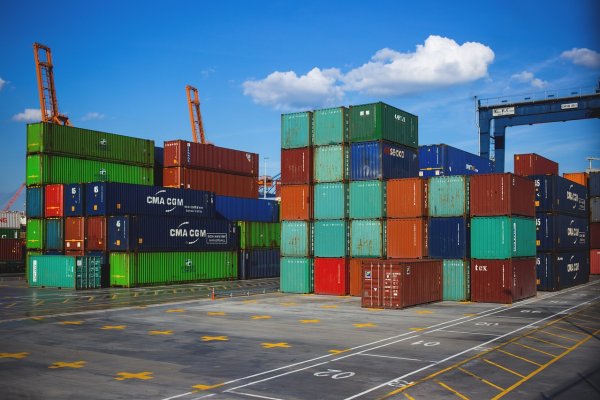
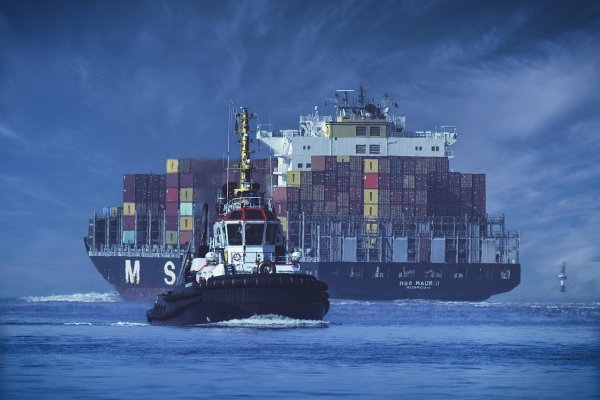
Ocean shipping represents the most economical option for large volume imports. Container shipments typically take 20-40 days from major Chinese ports to USA destinations, depending on the specific route and port congestion. Shopify merchants handling substantial inventory volumes benefit from:
- Full Container Load (FCL) options for exclusive container use
- Less than Container Load (LCL) for smaller shipments sharing container space
- Predictable costs per cubic meter or container
- Lower per-unit shipping expenses for bulk orders
However, sea freight requires careful inventory planning, as longer transit times mean extended periods before stock becomes available for sale.
Air Freight: Speed at a Premium
When speed matters more than cost, air freight delivers products from China to the USA in 3-7 days. This shipping method suits:
- High-value, low-weight products with strong profit margins
- Seasonal merchandise requiring quick market entry
- Inventory replenishment for fast-selling items
- Sample shipments for quality verification
Air freight costs significantly more per kilogram than ocean shipping, but the rapid delivery enables merchants to respond quickly to market trends and maintain leaner inventory levels.
Express Courier Services
Companies like DHL, FedEx, and UPS offer door-to-door service with 2-5 day delivery times. While expensive for large shipments, express services excel for small packages, samples, and urgent orders. These carriers handle customs clearance, providing simplified logistics for merchants new to international trade.
Navigating USA Customs and Import Regulations
Customs compliance represents one of the most critical aspects of importing from China. The USA maintains strict regulations governing product safety, labeling, and documentation requirements.
Essential Documentation
Proper paperwork ensures smooth customs clearance and avoids costly delays. Required documents typically include:
- Commercial invoice detailing product descriptions and values
- Packing list specifying contents and quantities
- Bill of lading or airway bill from the carrier
- Certificate of origin documenting manufacturing location
- Import licenses for restricted product categories
Duties and Tariffs
Import duties vary based on product classification under the Harmonized Tariff Schedule. Recent trade policies have introduced additional tariffs on certain Chinese goods, impacting profit margins. Shopify merchants must factor these costs into their pricing strategies and consider:
- Harmonized System (HS) code accuracy for proper classification
- Declared value accuracy to avoid penalties
- Potential exemptions under de minimis thresholds
- Trade agreement benefits when applicable
Working with experienced customs brokers or freight forwarders simplifies this complex landscape, ensuring compliance while minimizing duties through proper classification.
Integrating Fulfilment with Your Shopify Store
Shopify's robust ecosystem offers multiple fulfilment approaches, each suited to different business models and growth stages. Choosing the right strategy affects everything from customer satisfaction to operational efficiency.
Direct Dropshipping from China
The dropshipping model eliminates inventory holding requirements by shipping products directly from Chinese suppliers to USA customers. While this approach minimizes upfront investment, it presents challenges including:
- Extended shipping times (15-45 days) affecting customer satisfaction
- Limited quality control over packaging and products
- Communication barriers with suppliers
- Difficulty building brand identity with generic packaging
Successful dropshippers compensate for long delivery times through transparent communication, setting accurate expectations, and selecting reliable supplier partners.
USA-Based Warehousing and Fulfilment
Importing products in bulk to USA-based warehouses before selling enables faster delivery, better quality control, and enhanced customer experience. This approach involves:
- Bulk shipping from China to USA fulfilment centers
- Inventory storage in strategic locations near customer populations
- Integration with Shopify for automated order processing
- Pick, pack, and ship services through third-party logistics providers
Platforms like www.search3pl.com help merchants compare fulfilment providers, ensuring competitive pricing and service quality across different warehousing solutions.
Hybrid Fulfilment Strategies
Many growing Shopify businesses adopt hybrid approaches, combining multiple fulfilment methods to optimize costs and delivery speeds. Common strategies include:
- Maintaining USA inventory for best-sellers while dropshipping slower-moving items
- Using air freight for initial stock and sea freight for replenishment
- Partnering with multiple 3PL providers in different regions
- Implementing automatic inventory routing based on customer location
Leveraging Third-Party Logistics Providers
Third-party logistics (3PL) companies specialize in warehousing, inventory management, and order fulfilment, allowing Shopify merchants to focus on marketing and product development. Professional 3PL services offer numerous advantages:
- Scalable storage space that grows with your business
- Discounted shipping rates through carrier partnerships
- Advanced inventory management systems
- Returns processing and customer service support
- Multi-channel integration beyond Shopify
When selecting a 3PL partner, evaluate factors including location proximity to your customer base, technology integration capabilities, pricing structure transparency, and experience with your product category. Resources like www.search3pl.com provide comprehensive comparisons to identify providers matching your specific requirements.
Optimizing Costs and Delivery Times
Balancing cost efficiency with customer expectations requires continuous optimization of your fulfilment operations. Consider implementing these strategies:
Strategic Inventory Planning
Accurate demand forecasting prevents both stockouts and excess inventory. Shopify's analytics tools provide valuable insights into sales patterns, enabling data-driven purchasing decisions. Consider seasonal variations, promotional impacts, and market trends when planning shipments from China.
Consolidated Shipping
Rather than ordering products as needed, consolidate purchases from multiple suppliers into single shipments. This approach reduces per-unit shipping costs and simplifies customs clearance, though it requires careful coordination and planning.
Zone-Skipping and Regional Distribution
For established businesses, distributing inventory across multiple USA warehouses reduces last-mile delivery distances, enabling faster shipping at lower costs. This strategy works particularly well for high-volume merchants serving nationwide markets.
Building Customer Trust Through Transparent Communication
Managing customer expectations throughout the fulfilment process builds loyalty and reduces support inquiries. Best practices include:
- Clear shipping timeframe disclosure on product pages
- Automated tracking updates via email and SMS
- Proactive communication about potential delays
- Generous return policies that account for international complexities
- Responsive customer service addressing fulfilment concerns
Shopify's extensive app ecosystem offers numerous tools for enhanced communication, from tracking page customization to automated customer notifications at each fulfilment stage.
Future-Proofing Your Fulfilment Strategy
The international logistics landscape continues evolving, with new technologies, regulations, and consumer expectations shaping best practices. Successful merchants stay informed about:
- Trade policy changes affecting China-USA commerce
- Emerging shipping routes and logistics innovations
- Sustainability trends influencing packaging and shipping choices
- Automation technologies streamlining fulfilment operations
- Regional manufacturing alternatives diversifying supply chains
By building flexible fulfilment systems that adapt to changing conditions, Shopify merchants position themselves for long-term success in the competitive ecommerce marketplace.
Conclusion
Mastering fulfilment for China-sourced products sold through Shopify to USA customers requires understanding complex logistics networks, navigating regulatory requirements, and implementing scalable operational systems. Whether choosing dropshipping, warehousing with 3PL partners, or hybrid approaches, success depends on strategic planning, reliable partnerships, and commitment to exceptional customer experiences.
The investment in robust fulfilment infrastructure pays dividends through increased customer satisfaction, operational efficiency, and sustainable business growth. As your Shopify store expands, continuously evaluate and optimize your fulfilment strategy, leveraging technology and expert partners to maintain competitive advantages in the dynamic world of international ecommerce.