How 3PL Services Transform Import Operations in Southampton
The logistics landscape has evolved dramatically over the past decade, with businesses increasingly recognizing the strategic value of partnering with third-party logistics providers. For companies importing goods through major UK ports, particularly Southampton, the integration of 3PL services has become not just advantageous but essential for maintaining competitive advantage in today's fast-paced marketplace.
Understanding 3PL in the Modern Supply Chain
Third-party logistics, commonly abbreviated as 3PL, refers to the outsourcing of logistics and supply chain management functions to specialized service providers. These companies handle everything from warehousing and inventory management to order fulfillment and distribution, allowing businesses to focus on their core competencies while experts manage the complexities of logistics operations.
The 3PL industry has witnessed tremendous growth as e-commerce continues to expand and global trade becomes increasingly complex. For businesses dealing with imports, the expertise and infrastructure provided by 3PL partners can mean the difference between seamless operations and costly bottlenecks that frustrate customers and drain resources.
Southampton: A Strategic Import Gateway
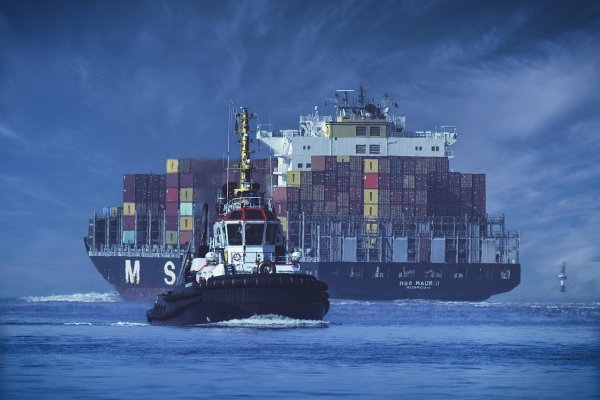
Southampton stands as one of the United Kingdom's most significant port cities, handling millions of tonnes of cargo annually. Its strategic location on the south coast, coupled with excellent transport links to London and the broader UK market, makes it an ideal entry point for imported goods.
Why Southampton Matters for Import Operations
The Port of Southampton offers several distinct advantages for businesses importing goods:
- Deep-water facilities capable of accommodating the largest container vessels
- Direct rail connections to major distribution centers across the UK
- Proximity to major motorways including the M27 and M3
- 24/7 operational capacity for time-sensitive shipments
- Extensive customs clearance infrastructure
- Established ecosystem of logistics service providers
For 3PL providers operating in Southampton, these advantages translate into faster clearance times, reduced transportation costs, and more reliable service delivery for their clients. Companies looking to streamline their import operations often find that partnering with a Southampton-based 3PL provider offers significant operational benefits.
The Import Process and 3PL Integration
Managing imports involves navigating a complex web of regulations, documentation, and logistical coordination. This is where experienced 3PL providers demonstrate their value, offering comprehensive services that simplify the entire process.
Customs Clearance and Compliance
Post-Brexit, UK import regulations have become more intricate, requiring detailed documentation and compliance with new customs procedures. Professional 3PL providers maintain dedicated customs brokerage teams who stay current with evolving regulations, ensuring shipments clear customs efficiently without unexpected delays or penalties.
These specialists handle everything from tariff classification and duty calculation to preparing necessary certificates of origin and managing VAT documentation. For businesses without in-house expertise, this service alone can justify the cost of partnering with a 3PL provider.
Port-to-Warehouse Coordination
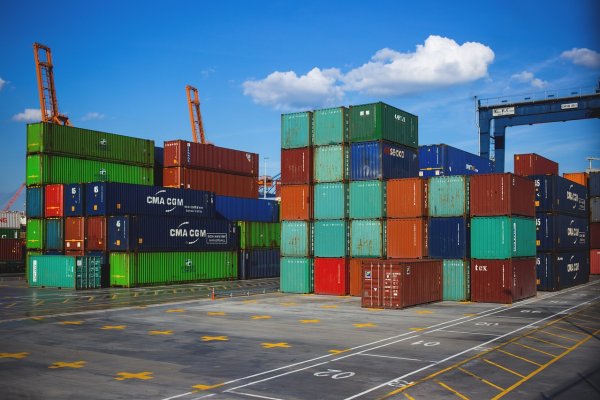
Once goods arrive at Southampton, the logistics choreography begins. 3PL providers coordinate with shipping lines, arrange container collection, and transport goods to their warehouse facilities. This seamless handoff is crucial for minimizing dwell time at the port and avoiding demurrage charges that can quickly accumulate.
Racking Storage: The Foundation of Efficient Warehousing
Upon arrival at the 3PL warehouse, imported goods must be stored efficiently until they're ready for distribution. This is where sophisticated racking storage systems become essential infrastructure.
Types of Racking Storage Solutions
Modern 3PL facilities utilize various racking configurations depending on the nature of stored goods and turnover requirements:
- Selective pallet racking provides direct access to every pallet, ideal for products with varied SKUs
- Drive-in racking maximizes space utilization for high-volume, low-variety inventory
- Push-back systems offer high-density storage with better selectivity than drive-in configurations
- Mezzanine storage creates additional floor space by utilizing vertical height
- Cantilever racking handles long, awkward items like timber or piping
The choice of racking system significantly impacts operational efficiency. When evaluating potential 3PL partners through platforms like www.search3pl.com, businesses should inquire about warehouse configurations and ensure the facility can accommodate their specific product requirements.
Technology-Enhanced Storage Management
Leading 3PL providers enhance their racking storage with warehouse management systems (WMS) that track inventory location in real-time, optimize picking routes, and provide clients with complete visibility into their stock levels. This technology integration transforms static storage space into a dynamic asset that contributes directly to fulfillment speed and accuracy.
Postage and Distribution Services
After storage comes the critical final mile: getting products into customers' hands. Postage services represent the culmination of the 3PL value proposition, where imports transform into delivered customer orders.
Multi-Carrier Integration
Sophisticated 3PL providers maintain relationships with multiple courier and postal services, including Royal Mail, DPD, Evri, DHL, and others. This carrier diversity allows them to select the most cost-effective and appropriate service for each shipment based on factors like:
- Destination and delivery timeframe
- Package size and weight
- Special handling requirements
- Cost optimization algorithms
- Service level guarantees
By consolidating shipments and leveraging volume discounts across multiple clients, 3PL providers often achieve postage rates that individual businesses cannot negotiate independently. These savings can be substantial, particularly for high-volume shippers.
Returns Management
An often-overlooked aspect of postage services is reverse logistics. Quality 3PL providers handle returns efficiently, processing returned items, updating inventory, and managing refunds or exchanges according to client specifications. This capability is particularly valuable for e-commerce businesses where return rates can reach 20-30% in some product categories.
Integrating Import, Storage, and Distribution
The true power of 3PL services emerges when import handling, racking storage, and postage operations function as an integrated system rather than discrete services. This holistic approach creates several compelling advantages:
Reduced Handling and Transit Time
When a single provider manages the entire journey from Southampton port to customer doorstep, goods move more efficiently. Products can transition directly from container to racking storage to outbound shipping with minimal intermediate handling, reducing damage risk and accelerating delivery timelines.
Enhanced Inventory Visibility
Integrated systems provide end-to-end tracking, allowing businesses to monitor their inventory from the moment it clears customs until delivery confirmation. This transparency enables better demand forecasting, reduced safety stock requirements, and improved cash flow management.
Scalability Without Capital Investment
Perhaps most significantly, partnering with a comprehensive 3PL provider allows businesses to scale operations without investing in warehouse space, racking infrastructure, or transportation assets. As import volumes fluctuate seasonally or grow over time, the 3PL partner absorbs these variations within their existing capacity or expands accordingly.
Selecting the Right 3PL Partner
Not all 3PL providers offer the same capabilities or service quality. When evaluating potential partners for import operations through Southampton, consider these critical factors:
- Proximity to Southampton port and quality of transport connections
- Warehouse capacity and racking storage configurations suitable for your products
- Technology platform capabilities and integration options with your systems
- Customs clearance expertise and compliance track record
- Range of postage options and carrier relationships
- Scalability to accommodate business growth
- Industry-specific experience with your product category
- Transparent pricing structure without hidden fees
Platforms like www.search3pl.com provide valuable resources for comparing 3PL services and pricing across multiple providers, helping businesses make informed decisions based on specific requirements rather than limited options.
The Future of 3PL Services
The logistics industry continues evolving rapidly, with emerging technologies promising even greater efficiency. Artificial intelligence optimizes warehouse operations and predicts demand patterns. Automation transforms picking and packing processes. Sustainability initiatives drive greener transportation options and reduced packaging waste.
For businesses importing through Southampton and utilizing 3PL services, these advances translate into continuous improvement in service quality, cost efficiency, and customer satisfaction. The integration of import handling, racking storage, and postage services within a technologically advanced 3PL framework represents not just a operational decision but a strategic advantage in increasingly competitive markets.
Conclusion
The complexity of modern supply chains demands specialized expertise and sophisticated infrastructure that most businesses cannot economically develop in-house. Third-party logistics providers fill this gap, offering comprehensive services that transform imports arriving at Southampton into efficiently stored inventory ready for rapid distribution through optimized postage services.
By leveraging professional customs clearance, advanced racking storage systems, and multi-carrier postage integration, 3PL partners enable businesses to focus on growth and customer service rather than logistical minutiae. As global trade continues expanding and customer expectations for fast, reliable delivery intensify, the strategic value of experienced 3PL providers will only increase.
For businesses evaluating their logistics strategy, the question is no longer whether to utilize 3PL services, but rather which provider offers the optimal combination of location, capabilities, technology, and cost structure to support long-term success in the competitive landscape of modern commerce.