Modern Warehouse Operations: The Complete Supply Chain Guide
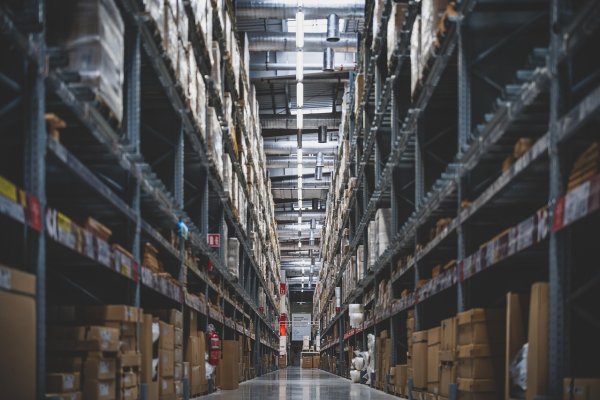
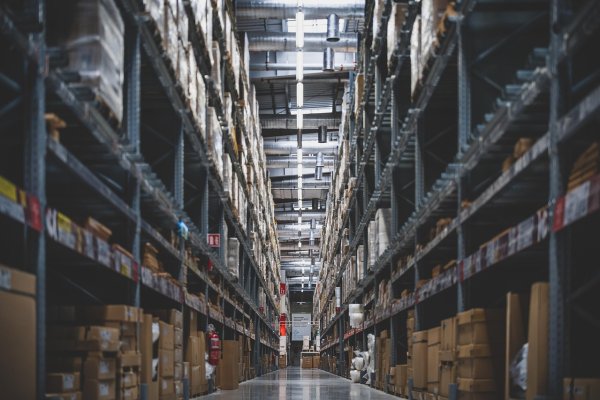
The modern warehouse has evolved far beyond a simple storage facility. Today's warehouses function as sophisticated distribution hubs that seamlessly integrate multiple logistics services, from haulier partnerships to parcel force coordination, all while optimizing processes like palletisation to maintain efficient supply chain operations. Understanding how these elements work together is crucial for businesses looking to streamline their logistics and meet growing customer demands.
The Evolution of Warehouse Operations
Warehouses have transformed dramatically over the past few decades. What once served as static storage locations have become dynamic fulfillment centers that process thousands of items daily. Modern warehouses must accommodate diverse shipping methods, handle various package sizes, and coordinate with multiple transportation providers to ensure timely delivery.
This evolution has been driven by several factors, including the rise of e-commerce, increasing consumer expectations for faster delivery, and technological advancements that enable real-time inventory tracking and automated processing systems. Today's warehouse managers must balance efficiency, accuracy, and speed while maintaining cost-effectiveness across all operations.
Understanding the Role of Hauliers in Warehouse Operations
A haulier, also known as a freight carrier or transportation provider, plays an indispensable role in connecting warehouses to their destination points. These specialized logistics companies transport goods in bulk quantities, typically using large vehicles such as lorries, trucks, or articulated vehicles designed for heavy loads.
Key Haulier Responsibilities
Hauliers provide several critical services that keep supply chains moving efficiently:
- Long-distance transportation: Moving palletised goods between distribution centers, warehouses, and retail locations
- Scheduled deliveries: Coordinating pickup and delivery times to align with warehouse receiving schedules
- Load consolidation: Combining shipments from multiple sources to maximize vehicle capacity
- Cross-docking facilitation: Enabling direct transfer of goods from inbound to outbound vehicles without long-term storage
- Specialized transport: Handling temperature-controlled, hazardous, or oversized cargo requiring special equipment
Selecting the Right Haulier Partner
Warehouses must carefully evaluate haulier partners based on reliability, geographic coverage, equipment capabilities, and cost structure. The relationship between a warehouse and its hauliers directly impacts delivery times, damage rates, and overall customer satisfaction. Many successful warehouses maintain relationships with multiple hauliers to ensure capacity during peak seasons and provide redundancy should one carrier experience service disruptions.
Parcel Force and Small Package Distribution
While hauliers handle bulk transportation, Parcel Force and similar courier services specialize in individual package delivery. These services have become increasingly important as e-commerce continues to grow and consumers expect direct-to-door delivery options.
Integration with Warehouse Systems
Modern warehouses integrate parcel force services directly into their warehouse management systems (WMS). This integration enables:
- Automatic carrier selection based on destination, package size, and delivery speed requirements
- Real-time label generation and printing
- Tracking number assignment and customer notification
- Consolidated manifesting and end-of-day processing
- Performance monitoring across multiple carriers
By connecting with platforms like www.search3pl.com, businesses can compare various parcel force options and select the most appropriate services for their specific distribution needs, ensuring both cost-effectiveness and service quality.
Multi-Carrier Strategy Benefits
Rather than relying exclusively on a single parcel carrier, successful warehouses typically employ a multi-carrier strategy. This approach provides flexibility to route packages through the most cost-effective or fastest service based on specific shipment characteristics. Additionally, maintaining relationships with multiple carriers protects against service disruptions and provides negotiating leverage for better rates.
Palletisation: The Foundation of Efficient Warehousing
Palletisation represents one of the most fundamental processes in modern warehousing, yet its importance cannot be overstated. This practice of organizing and securing goods onto standardized pallets enables efficient handling, storage, and transportation throughout the supply chain.
Standard Pallet Dimensions and Types
While pallet sizes vary globally, certain standards have emerged to facilitate international trade and transportation efficiency:
- EUR pallet (Euro pallet): 1200mm × 800mm, widely used across Europe
- UK standard pallet: 1200mm × 1000mm, common in British warehouses
- North American pallet: 48" × 40" (approximately 1219mm × 1016mm)
- ISO pallets: Various standardized dimensions for international shipping
Warehouses must decide between wooden pallets, plastic pallets, and specialized options based on factors including durability requirements, weight restrictions, hygiene standards, and whether pallets will be returned or disposed of after use.
Palletisation Best Practices
Proper palletisation techniques maximize warehouse efficiency and protect products during handling and transportation:
- Load stability: Arrange items in interlocking patterns that distribute weight evenly and prevent shifting
- Height optimization: Stack to maximize cube utilization while respecting weight limits and maintaining stability
- Secure wrapping: Apply stretch wrap or strapping to hold loads together and protect against contamination
- Clear labeling: Ensure all sides display necessary information including handling instructions and barcodes
- Overhang prevention: Keep all items within the pallet footprint to prevent damage during handling
Automated Palletisation Systems
Many modern warehouses have invested in automated palletisation equipment that can build pallet loads according to pre-programmed patterns. These systems improve consistency, reduce labor costs, and increase throughput while minimizing product damage caused by improper stacking.
Supply Chain Integration and Warehouse Centrality
The warehouse functions as a critical node within the broader supply chain, serving as the point where multiple logistics activities converge. Understanding this interconnected role helps explain why warehouse efficiency has such profound impacts on overall supply chain performance.
Inbound Supply Chain Operations
Warehouses receive goods from manufacturers, importers, and suppliers through various channels. Effective inbound operations require:
- Advance shipping notices (ASN) to prepare for incoming deliveries
- Dock scheduling to prevent congestion and minimize haulier waiting times
- Quality inspection processes to identify damaged or incorrect items
- Rapid put-away procedures to make inventory available for order fulfillment
- Integration with suppliers' systems for real-time visibility
Outbound Supply Chain Operations
The outbound side involves picking, packing, and shipping orders to their final destinations. This process must coordinate seamlessly with both haulier schedules for pallet shipments and parcel force pickup times for individual packages. Efficiency at this stage directly impacts delivery speed and customer satisfaction.
Inventory Management and Visibility
Modern warehouses serve as information hubs, providing real-time inventory visibility to all supply chain partners. This transparency enables better forecasting, reduces safety stock requirements, and allows for more responsive operations when demand fluctuates or supply disruptions occur.
Businesses seeking to optimize their warehouse and logistics operations can benefit from comparing different third-party logistics providers through resources like www.search3pl.com, which offers comprehensive information about various fulfillment solutions and their capabilities.
Technology Enabling Modern Warehouse Operations
Technology has become the backbone of efficient warehouse operations, connecting all the elements discussed above into cohesive, streamlined processes.
Warehouse Management Systems
A robust WMS coordinates all warehouse activities, from receiving through shipping. These systems optimize pick paths, manage inventory locations, direct staff to priority tasks, and integrate with both haulier and parcel force systems for seamless shipping execution.
Automation and Robotics
Automated storage and retrieval systems (AS/RS), robotic picking solutions, and automated guided vehicles (AGVs) are increasingly common in modern warehouses. These technologies work alongside human staff to increase throughput, improve accuracy, and reduce the physical demands of warehouse work.
Data Analytics and Continuous Improvement
Warehouses generate enormous amounts of data about inventory movement, order patterns, carrier performance, and operational efficiency. Advanced analytics tools transform this data into actionable insights that drive continuous improvement in palletisation strategies, carrier selection, and overall supply chain optimization.
Future Trends in Warehouse Operations
The warehouse industry continues to evolve rapidly. Several emerging trends will shape future operations:
- Increased automation: Robotics and AI will handle more routine tasks, allowing human workers to focus on exception handling and strategic activities
- Sustainability focus: Warehouses will adopt eco-friendly palletisation materials, optimize transportation to reduce emissions, and implement energy-efficient facilities
- Same-day fulfillment: Consumer expectations will drive warehouses closer to population centers and require even faster processing capabilities
- Supply chain resilience: Recent disruptions have highlighted the need for redundancy and flexibility in haulier relationships and warehouse networks
- Integration depth: Warehouses will connect more deeply with suppliers, carriers, and customers through standardized data exchanges and collaborative platforms
Conclusion
Modern warehouses represent sophisticated operations where haulier relationships, parcel force integration, palletisation efficiency, and supply chain coordination converge to create value for businesses and consumers alike. Success requires careful attention to each component while maintaining focus on the interconnected nature of these activities.
As customer expectations continue to rise and supply chains face increasing complexity, warehouses that master these fundamentals while embracing technological innovation will be best positioned to thrive. Whether managing your own warehouse facility or partnering with third-party logistics providers, understanding these core concepts provides the foundation for making informed decisions that enhance operational efficiency and customer satisfaction throughout your supply chain.