3PL Solutions in Birmingham: Transportation and Cost Insights

The logistics landscape in the United Kingdom has experienced remarkable transformation in recent years, with Birmingham emerging as a pivotal hub for third-party logistics (3PL) operations. As businesses increasingly seek efficient fulfilment solutions, understanding the intricacies of 3PL services—from transportation networks to cost structures—has become essential for competitive success in today's e-commerce environment.
Why Birmingham is a Strategic 3PL Location
Birmingham's geographical position at the heart of England makes it an exceptional choice for 3PL operations. The city's centrally located infrastructure provides unparalleled access to major transportation routes, allowing businesses to reach approximately 90% of the UK population within a four-hour drive. This strategic advantage has transformed Birmingham into one of the nation's most sought-after logistics destinations.
The city boasts excellent connectivity through the M6, M5, and M42 motorways, creating a transportation network that facilitates seamless distribution across the country. Additionally, Birmingham International Airport and the nearby ports of Liverpool and Felixstowe provide crucial links for international shipments, making the region ideal for businesses with both domestic and global supply chain requirements.
Infrastructure and Accessibility
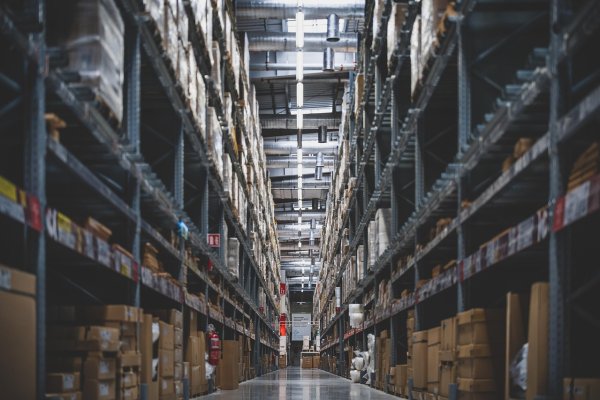
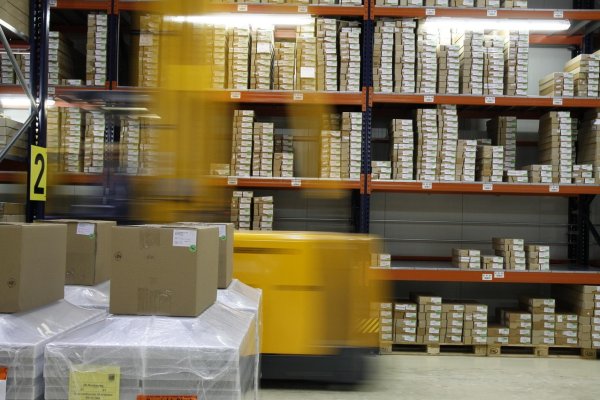
Birmingham's logistics infrastructure continues to expand with modern warehouse facilities designed to accommodate contemporary fulfilment demands. The region features numerous purpose-built distribution centres equipped with advanced technology, including automated storage systems, climate-controlled environments, and sophisticated inventory management platforms. These facilities cater to businesses of all sizes, from emerging startups to established enterprises requiring extensive warehousing capacity.
Transportation Networks Supporting Birmingham 3PL
Transportation forms the backbone of effective 3PL operations, and Birmingham's comprehensive network delivers exceptional service capabilities. The city's road infrastructure supports efficient last-mile delivery, while rail connections provide sustainable alternatives for bulk shipments. Understanding these transportation options helps businesses optimize their logistics strategies and reduce overall supply chain costs.
Road Transportation
Road transport remains the dominant mode for 3PL operations in Birmingham, offering flexibility and direct delivery capabilities. The extensive motorway system enables next-day delivery to most UK destinations, a critical factor for businesses competing in the rapid e-commerce marketplace. Modern 3PL providers utilize sophisticated route optimization software to minimize fuel consumption, reduce delivery times, and enhance service reliability.
- Direct access to major motorway networks including M6, M5, M42, and M40
- Proximity to distribution centres serving national retailers
- Advanced fleet management systems for real-time tracking
- Multi-temperature transport capabilities for specialized products
- Flexible delivery options including same-day and timed deliveries
Rail and Intermodal Solutions
Birmingham's rail infrastructure, including the Birmingham Intermodal Freight Terminal, provides environmentally conscious businesses with sustainable transportation alternatives. Rail freight offers cost-effective solutions for high-volume, non-urgent shipments, particularly beneficial for businesses managing seasonal inventory fluctuations or bulk raw material movements.
Shopify Integration with Birmingham 3PL Providers
The explosive growth of e-commerce has created unprecedented demand for seamless integration between online platforms and fulfilment services. Shopify, as one of the world's leading e-commerce platforms, requires sophisticated 3PL partnerships to deliver exceptional customer experiences. Birmingham-based 3PL providers have responded by developing robust Shopify integration capabilities that streamline order processing and enhance operational efficiency.
Automated Order Processing
Modern 3PL providers in Birmingham offer direct API integration with Shopify stores, enabling automatic order transmission from your online shop to the warehouse floor. This automation eliminates manual data entry, reduces errors, and accelerates order fulfilment times. When a customer places an order on your Shopify store, the information instantly reaches the 3PL warehouse management system, triggering immediate picking and packing processes.
The benefits of this integration extend beyond speed. Real-time inventory synchronization ensures your Shopify store displays accurate stock levels, preventing overselling and customer disappointment. As products are picked and packed, inventory counts automatically update across all sales channels, providing comprehensive visibility into stock movements and reorder requirements.
Returns Management for Shopify Merchants
Returns processing represents a significant operational challenge for e-commerce businesses, particularly those operating on Shopify. Birmingham 3PL providers typically offer comprehensive returns management services, including inspection, restocking, and customer communication. Advanced systems can automatically generate return labels through Shopify, track return shipments, and process refunds or exchanges according to your specific business rules.
When evaluating 3PL partners for your Shopify business, platforms like www.search3pl.com provide valuable comparison tools to identify providers with proven e-commerce integration capabilities. This research phase proves crucial for establishing partnerships that support long-term growth and customer satisfaction.
Understanding 3PL Cost Per Pallet
Cost transparency forms a fundamental consideration when selecting 3PL services. The cost per pallet metric provides a standardized measurement for comparing storage fees across different providers, though understanding what influences these costs helps businesses make informed decisions.
Factors Affecting Pallet Storage Costs
Pallet storage pricing in Birmingham varies considerably based on several key factors. Location within the Birmingham region influences costs, with facilities closer to major motorway junctions typically commanding premium rates due to enhanced accessibility. The type of storage required—ambient, refrigerated, or hazardous materials—also significantly impacts pricing structures.
- Facility specifications: Modern automated facilities may charge higher rates but offer improved efficiency and accuracy
- Volume commitments: Larger storage requirements typically secure more favorable per-pallet rates
- Contract duration: Long-term agreements often include discounted pricing compared to flexible short-term arrangements
- Seasonal fluctuations: Peak periods like pre-Christmas may see temporary rate increases
- Additional services: Value-added services such as kitting, labelling, or quality inspections affect overall costs
Typical Birmingham 3PL Pallet Pricing
While specific pricing varies between providers, businesses can generally expect Birmingham pallet storage costs ranging from £6 to £15 per pallet per week for standard ambient storage. This range reflects differences in facility quality, service levels, and contractual terms. Premium facilities with advanced technology and superior locations command higher rates, while more basic warehouse spaces offer economy options for cost-sensitive businesses.
Beyond storage fees, businesses should consider comprehensive cost analysis including:
- Inbound receiving charges (typically £8-£15 per pallet)
- Order picking fees (ranging from £2-£5 per order depending on complexity)
- Packing materials and labour costs
- Outbound shipping expenses
- Technology and integration fees
- Returns processing charges
Selecting the Right Birmingham 3PL Partner
Choosing an appropriate 3PL provider requires careful evaluation of multiple factors beyond pricing alone. The ideal partnership balances cost efficiency with service quality, technological capabilities, and scalability to accommodate business growth. Birmingham's competitive 3PL marketplace offers diverse options, from specialized boutique providers to comprehensive logistics corporations.
Key Evaluation Criteria
When assessing potential 3PL partners, businesses should conduct thorough due diligence examining operational capabilities, client references, and technological infrastructure. Site visits provide invaluable insights into warehouse organization, cleanliness, security measures, and staff professionalism. Request detailed information about service level agreements, including guaranteed order accuracy rates, shipping timeframes, and customer service response times.
Technology capabilities deserve particular attention in today's digital commerce environment. Your 3PL provider should offer real-time inventory visibility, comprehensive reporting tools, and seamless integration with your e-commerce platforms. For Shopify merchants specifically, verify that potential partners have established integration protocols and demonstrated success managing similar businesses.
Leveraging Comparison Resources
Navigating Birmingham's 3PL landscape becomes significantly easier with specialized comparison platforms. Resources like www.search3pl.com enable businesses to evaluate multiple providers simultaneously, comparing services, pricing structures, and client reviews. These platforms streamline the selection process, helping businesses identify providers that align with specific requirements and budget parameters.
Future Trends in Birmingham 3PL Services
The logistics industry continues evolving rapidly, with Birmingham providers investing heavily in emerging technologies and sustainable practices. Automation, artificial intelligence, and robotics increasingly feature in modern warehouses, improving accuracy while reducing operational costs. These technological advances benefit clients through faster processing times, enhanced inventory accuracy, and ultimately, improved customer satisfaction.
Sustainability has emerged as a critical consideration for both 3PL providers and their clients. Birmingham facilities increasingly incorporate environmentally responsible practices including solar power, electric vehicle fleets, and waste reduction programs. Businesses concerned with corporate social responsibility find these green initiatives align with broader organizational values while potentially reducing long-term logistics costs.
Conclusion
Birmingham's position as a premier 3PL destination reflects its strategic location, comprehensive transportation infrastructure, and advanced technological capabilities. For businesses operating Shopify stores or requiring efficient distribution networks, the city offers compelling advantages including competitive pricing, excellent connectivity, and sophisticated service providers. Understanding the nuances of 3PL costs per pallet, transportation options, and integration capabilities empowers businesses to make informed decisions that support growth and customer satisfaction. As e-commerce continues expanding, Birmingham's 3PL sector stands ready to meet evolving logistics demands with innovation, efficiency, and reliability.