Warehouse Solutions Across London and Sheffield Explained

The warehouse industry in the United Kingdom continues to evolve rapidly, driven by e-commerce growth, changing consumer expectations, and the need for efficient supply chain management. Two cities stand at the forefront of this transformation: London and Sheffield. Each offers unique advantages for businesses seeking warehouse solutions, from advanced racking storage systems to sophisticated packaging operations. Understanding the nuances of warehouse management in these key locations can help businesses optimize their logistics strategy and gain a competitive edge in today's demanding marketplace.
The Strategic Importance of London Warehouses
London remains a critical hub for warehouse operations despite higher property costs and space constraints. The capital's strategic position provides unparalleled access to both domestic and international markets, making it an attractive location for businesses requiring rapid distribution capabilities.
London's Logistics Landscape
Warehouses in London benefit from exceptional connectivity. The city's proximity to major ports, including Tilbury and London Gateway, facilitates international trade. Additionally, London's extensive motorway network, particularly the M25 orbital route, enables swift distribution throughout the Southeast and beyond. For businesses prioritizing same-day or next-day delivery to the UK's most populous region, a London warehouse location offers substantial advantages.
However, operating warehouses in London presents unique challenges. Property costs in the capital significantly exceed those in other UK regions, compelling businesses to maximize efficiency within limited square footage. This constraint has driven innovation in vertical storage solutions and automated systems, pushing London warehouses to adopt cutting-edge technologies that optimize every available inch of space.
Packaging Operations in London Facilities
London warehouses frequently integrate sophisticated packaging operations to serve the diverse needs of e-commerce retailers, luxury brands, and corporate clients. The capital's warehouse facilities often feature dedicated packaging zones equipped with:
- Custom branding and presentation services for premium products
- Sustainable packaging solutions meeting environmental standards
- Multi-channel fulfillment packaging for retail and direct-to-consumer orders
- Specialized protective packaging for fragile or high-value items
- Kitting and assembly services for promotional campaigns
The emphasis on packaging quality in London warehouses reflects the capital's concentration of premium brands and businesses where presentation significantly impacts customer perception and brand value.
Sheffield: The Rising Star of Northern Warehousing
While London dominates discussions of UK logistics, Sheffield has emerged as an increasingly attractive alternative for warehouse operations. Located in South Yorkshire, Sheffield offers a compelling combination of central UK positioning, competitive costs, and improving infrastructure that appeals to businesses seeking efficiency without London's premium price tag.
Sheffield's Strategic Location Advantage
Sheffield's geographical position places it within four hours' drive of 90% of the UK population. This central location makes it ideal for businesses serving national markets from a single distribution point. The city benefits from excellent motorway access via the M1, connecting directly to London, the Midlands, and the North, while the M18 provides routes to Humberside ports and the East Coast.
Recent infrastructure investments have enhanced Sheffield's logistics credentials. Improvements to road networks and the development of modern warehouse parks have attracted major retailers and third-party logistics providers. Companies can find spacious, purpose-built facilities at significantly lower costs compared to London, allowing for more generous layouts and future expansion capability.
Sheffield's Skilled Workforce
Sheffield's industrial heritage has created a workforce familiar with manufacturing, distribution, and logistics operations. This experience pool, combined with competitive wage rates compared to London, enables warehouse operators to recruit reliable staff while maintaining cost efficiency. The presence of further education institutions also ensures a steady pipeline of talent trained in modern supply chain management and warehouse technologies.
Racking Storage Systems: Maximizing Warehouse Efficiency
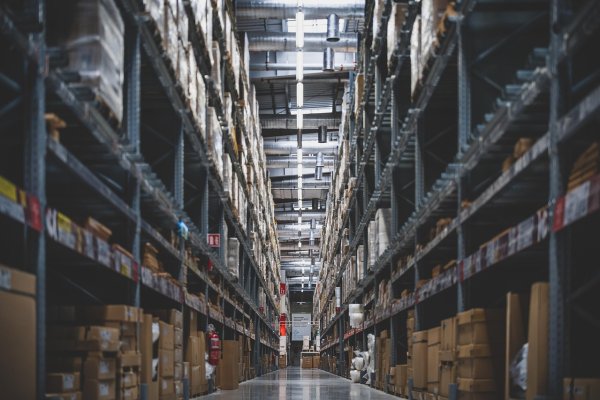
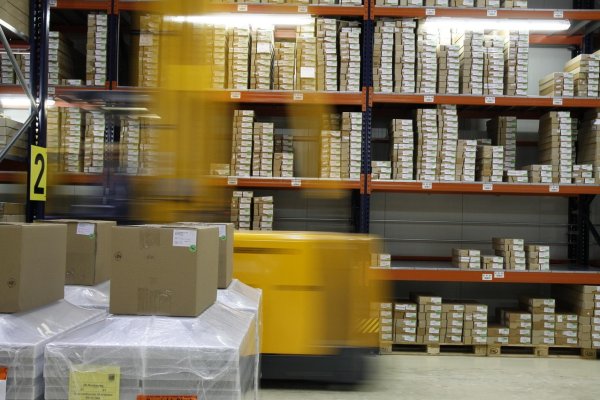
Regardless of location, effective racking storage systems form the backbone of productive warehouse operations. The choice of racking directly impacts storage capacity, operational efficiency, safety, and long-term flexibility. Both London and Sheffield warehouses employ various racking configurations tailored to their specific inventory characteristics and operational requirements.
Types of Racking Storage Solutions
Modern warehouses utilize several racking storage systems, each offering distinct advantages:
- Selective Pallet Racking: The most common system, offering direct access to every pallet position. Ideal for facilities handling diverse product ranges with relatively fast turnover.
- Drive-In and Drive-Through Racking: High-density storage eliminating aisles between racks. Perfect for large quantities of homogeneous products with lower picking frequency.
- Push-Back Racking: Pallets slide on inclined rails, allowing multiple deep storage with improved selectivity compared to drive-in systems.
- Pallet Flow Racking: Uses gravity rollers to move pallets from loading to picking face, implementing first-in-first-out (FIFO) rotation automatically.
- Cantilever Racking: Designed for long, awkward items like timber, pipes, or furniture, with arms extending from vertical columns.
- Mezzanine Systems: Create additional floor levels within existing warehouse height, particularly valuable in space-constrained London facilities.
Racking Selection Considerations
Choosing appropriate racking storage requires careful analysis of multiple factors. Product characteristics including dimensions, weight, and handling requirements influence which systems work best. Inventory turnover rates and stock rotation requirements determine whether FIFO, LIFO (last-in-first-out), or selective access takes priority.
Warehouse dimensions, particularly ceiling height, dramatically affect storage capacity potential. Modern facilities in Sheffield typically offer generous heights allowing multi-level racking, while some older London warehouses may face height restrictions requiring alternative space optimization strategies.
Future flexibility also matters. Businesses experiencing growth or product range changes benefit from modular racking systems that can be reconfigured without complete replacement. This adaptability proves especially valuable for companies using platforms like www.search3pl.com to compare and potentially switch between third-party logistics providers as their needs evolve.
Packaging Integration Within Warehouse Operations
Modern warehouses increasingly integrate packaging functions directly into their operations rather than treating packaging as a separate activity. This integration delivers multiple benefits including reduced handling, faster order fulfillment, and enhanced quality control.
Value-Added Packaging Services
Contemporary warehouse facilities in both London and Sheffield offer sophisticated packaging capabilities that extend beyond simple box-and-ship operations:
- Custom Packaging Design: Creating bespoke packaging solutions that reflect brand identity and protect products optimally
- Sustainable Materials: Implementing recyclable, biodegradable, or reduced-material packaging responding to environmental concerns
- Retail-Ready Packaging: Preparing products in display-friendly formats that move directly from delivery to store shelves
- Gift Wrapping and Presentation: Premium presentation services for luxury goods and special occasions
- Multi-Pack Assembly: Creating promotional bundles, subscription boxes, or variety packs
Technology in Modern Packaging Operations
Advanced warehouses deploy technology to enhance packaging efficiency and accuracy. Automated dimensioning systems calculate optimal box sizes, reducing material waste and shipping costs. Print-on-demand systems generate customized packaging, labels, and inserts for individual orders. Quality control cameras verify packaging integrity before dispatch, minimizing returns due to damage or errors.
These technological investments help warehouse operations maintain competitiveness regardless of location. While London facilities might emphasize premium presentation capabilities, Sheffield warehouses often focus on high-volume efficiency, with both approaches requiring sophisticated packaging integration.
Choosing Between London and Sheffield Warehouses
The decision between London and Sheffield warehouse locations depends on specific business requirements, customer geography, and budget considerations. Neither location universally outperforms the other; instead, each offers distinct advantages for different operational profiles.
When London Makes Sense
Businesses should consider London warehouses when:
- Customer concentration centers on London and the Southeast
- Same-day delivery to the capital represents a competitive advantage
- Import/export operations benefit from proximity to major ports
- Premium packaging and presentation justify higher operating costs
- Product values support London's cost structure
When Sheffield Offers Better Value
Sheffield becomes attractive when:
- Serving national markets from a central distribution point
- Cost efficiency takes priority over ultra-rapid London delivery
- Large inventory volumes require extensive storage capacity
- Business growth necessitates expansion space
- Operating margins benefit from lower property and labor costs
The Future of Warehouse Operations
Both London and Sheffield warehouses continue evolving to meet changing business demands. Automation increasingly supplements human workers, with robotics handling repetitive tasks while employees focus on complex decision-making and exception handling. Sustainability considerations drive adoption of solar panels, electric vehicle fleets, and waste reduction programs.
The growth of omnichannel retail demands warehouses that seamlessly handle wholesale, retail, and direct-to-consumer orders simultaneously. This complexity requires sophisticated warehouse management systems, flexible racking storage configurations, and adaptable packaging operations capable of serving diverse channel requirements from unified inventory.
For businesses evaluating warehouse options, resources like www.search3pl.com provide valuable comparison capabilities, enabling informed decisions based on location, capabilities, and costs. Whether choosing established London facilities with premium positioning or emerging Sheffield locations offering cost efficiency, success ultimately depends on aligning warehouse capabilities with specific business requirements.
Conclusion
Warehouse operations in London and Sheffield each offer compelling advantages for different business scenarios. London provides unmatched access to the UK's largest consumer market and international trade routes, while Sheffield delivers central positioning and cost efficiency for national distribution. Regardless of location, effective racking storage systems and integrated packaging operations form essential foundations for successful warehouse performance.
As businesses navigate increasingly complex supply chain demands, understanding the strengths of different warehouse locations and operational approaches becomes crucial for competitive success. By carefully evaluating factors including customer geography, product characteristics, budget constraints, and growth plans, companies can select warehouse solutions that drive efficiency, support customer satisfaction, and enable sustainable business growth.