Top 10 Logistics Solutions Transforming Supply Chain Operations

In today's fast-paced global marketplace, businesses face unprecedented challenges in managing their supply chains efficiently. From warehouse optimization to international trade compliance, the logistics industry continues to evolve with innovative solutions that streamline operations and reduce costs. This comprehensive guide explores the top 10 logistics solutions that are transforming how companies manage their supply chains, with particular focus on racking storage systems, haulier services, import management, and fourth-party logistics (4PL) providers.
1. Advanced Racking Storage Systems
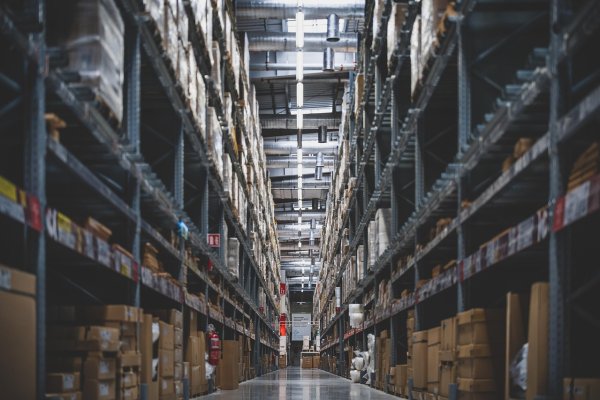
Modern warehouse efficiency begins with intelligent storage solutions. Racking storage systems have evolved far beyond simple shelving units, now incorporating sophisticated designs that maximize vertical space and improve inventory accessibility. These systems form the backbone of any successful warehouse operation.
Types of High-Performance Racking Storage
- Selective Pallet Racking: The most versatile option, offering direct access to every pallet
- Drive-In Racking: High-density storage ideal for large quantities of similar products
- Push-Back Systems: Dynamic storage that increases density while maintaining selectivity
- Cantilever Racking: Perfect for long, bulky items like lumber or pipes
- Mobile Racking: Maximizes floor space utilization through movable aisle configurations
Implementing the right racking storage solution can increase warehouse capacity by up to 40% while improving picking efficiency and workplace safety. These systems integrate seamlessly with warehouse management systems (WMS) to provide real-time inventory tracking and optimization.
2. Fourth-Party Logistics (4PL) Providers
The emergence of 4PL providers represents a paradigm shift in logistics management. Unlike traditional third-party logistics (3PL) companies that execute specific functions, a 4PL acts as a single interface between the client and multiple logistics service providers, orchestrating the entire supply chain.
Key Benefits of 4PL Partnership
A 4PL provider offers strategic advantages that extend beyond operational execution. They analyze your entire supply chain, identify inefficiencies, and implement comprehensive solutions that integrate technology, processes, and resources. This holistic approach delivers end-to-end visibility and control over complex logistics networks.
Fourth-party logistics providers typically manage relationships with carriers, warehouses, freight forwarders, and customs brokers, creating a unified logistics strategy. This consolidation reduces administrative burden while improving performance metrics across the supply chain. Companies leveraging 4PL services often experience cost reductions of 15-20% alongside significant improvements in delivery times and customer satisfaction.
3. Specialized Haulier Services
The role of the haulier in modern logistics cannot be overstated. These road transport specialists form the critical link between warehouses, ports, and final destinations. Selecting the right haulier partner impacts delivery reliability, cost efficiency, and customer satisfaction.
Essential Haulier Selection Criteria
- Fleet diversity and vehicle condition
- Geographic coverage and route optimization capabilities
- Real-time tracking and communication systems
- Insurance coverage and liability protection
- Environmental credentials and fuel efficiency
- Compliance with transportation regulations
Modern hauliers increasingly offer value-added services beyond simple transportation, including cross-docking, temporary storage, and last-mile delivery solutions. When evaluating potential partners through directories like www.search3pl.com, businesses should prioritize hauliers who demonstrate technological sophistication and adaptability to changing market demands.
4. Import Management Solutions
Navigating the complexities of imports requires specialized knowledge and robust systems. Effective import management encompasses customs compliance, documentation handling, duty optimization, and supply chain coordination across international borders.
Critical Components of Import Excellence
Successful import operations depend on meticulous planning and execution across multiple fronts. Customs brokerage services ensure compliance with ever-changing regulations while minimizing delays and duties. Advanced import management systems provide visibility into shipment status, automate documentation, and flag potential issues before they become costly problems.
Companies handling significant import volumes benefit from establishing relationships with experienced customs brokers who understand product classifications, free trade agreements, and regulatory requirements across different jurisdictions. This expertise can reduce landed costs by 5-10% while accelerating goods clearance through ports and borders.
5. Warehouse Management Systems (WMS)
Modern warehouse management systems serve as the digital brain of logistics operations, coordinating everything from receiving and putaway to picking, packing, and shipping. These sophisticated platforms integrate with racking storage systems and broader enterprise resource planning (ERP) solutions.
Advanced WMS platforms utilize artificial intelligence and machine learning to optimize inventory placement, predict demand patterns, and streamline order fulfillment. Features like directed picking, wave planning, and automated replenishment reduce labor costs while improving accuracy rates to 99.9% or higher.
6. Cross-Border E-Commerce Fulfillment
The explosion of international e-commerce has created demand for specialized fulfillment solutions that handle the unique challenges of cross-border sales. These services combine import expertise, localized warehousing, and returns management to create seamless customer experiences regardless of geographic location.
Essential E-Commerce Import Capabilities
- Landed cost calculation and display
- Multi-currency pricing and payment processing
- International shipping rate negotiation
- Customs documentation automation
- Local returns processing and reverse logistics
7. Transportation Management Systems (TMS)
A robust transportation management system optimizes the movement of goods by coordinating hauliers, consolidating shipments, and selecting optimal routes and carriers. These platforms provide crucial decision-support tools that balance cost, speed, and reliability.
Modern TMS solutions offer real-time visibility into shipment status, automated freight audit and payment, and sophisticated analytics that identify improvement opportunities. Integration with 4PL provider platforms creates a unified view of transportation spend and performance across all modes and geographies.
8. Customs Compliance Technology
Managing import compliance has become increasingly complex as regulations proliferate and penalties escalate. Specialized software platforms automate classification, valuation, and documentation while maintaining audit trails that satisfy regulatory requirements.
These systems track changing tariff codes, free trade agreement eligibility, and restricted party screening, reducing compliance risk while accelerating clearance times. Companies can find providers offering comprehensive import management services through platforms like www.search3pl.com, which facilitates comparison of capabilities and pricing.
9. Inventory Optimization Solutions
Balancing inventory levels represents a constant challenge for businesses managing imports and domestic distribution. Inventory optimization platforms use predictive analytics to determine ideal stock levels that minimize carrying costs while preventing stockouts.
These solutions account for demand variability, lead time fluctuations, and seasonal patterns to recommend reorder points and quantities. When integrated with racking storage systems and WMS platforms, they enable dynamic slotting that places fast-moving items in easily accessible locations while utilizing high-density storage for slower-moving SKUs.
10. Supply Chain Control Towers
The supply chain control tower concept represents the pinnacle of logistics visibility and coordination. These centralized platforms aggregate data from multiple sources—including hauliers, warehouses, ocean carriers, and customs systems—to provide real-time oversight of entire supply chains.
Control Tower Capabilities
Control towers enable proactive exception management by alerting stakeholders to potential disruptions before they impact operations. Predictive analytics identify risks like port congestion, weather delays, or capacity constraints, while prescriptive recommendations suggest optimal responses.
This comprehensive visibility proves particularly valuable for companies managing complex import programs across multiple countries and distribution channels. The integration of 4PL expertise with control tower technology creates unprecedented supply chain agility and resilience.
Implementing Your Logistics Transformation
Successfully implementing these top 10 logistics solutions requires careful planning and strategic partner selection. Begin by assessing your current capabilities and identifying gaps that create inefficiencies or limit growth. Consider which solutions deliver the greatest return on investment for your specific business model and industry.
For many companies, partnering with experienced 4PL providers offers the fastest path to logistics excellence. These strategic partners bring established relationships, proven technologies, and deep expertise across all aspects of supply chain management—from optimizing racking storage configurations to managing complex import programs and coordinating haulier networks.
Conclusion
The logistics landscape continues evolving at a rapid pace, driven by technological innovation, changing customer expectations, and increasing global trade complexity. The top 10 solutions outlined here represent proven approaches to addressing these challenges while positioning businesses for future growth.
Whether you're seeking to optimize warehouse space through advanced racking storage, streamline imports through customs compliance technology, improve transportation efficiency through better haulier management, or achieve comprehensive supply chain orchestration through 4PL partnership, these solutions provide the foundation for logistics excellence.
Success in modern supply chain management requires both strategic vision and operational excellence. By implementing the right combination of these top logistics solutions, businesses can reduce costs, improve service levels, and build competitive advantages that drive sustainable growth in an increasingly complex global marketplace.