How Third-Party Logistics Transforms Supply Chain Economics
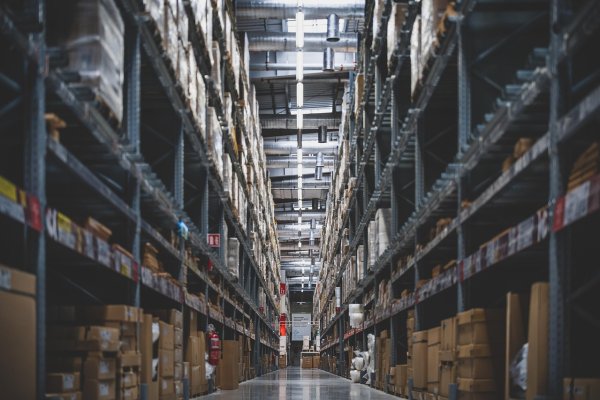
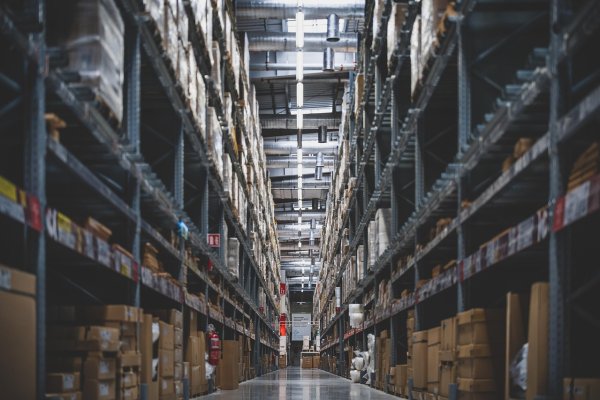
In today's competitive business landscape, companies face mounting pressure to deliver products faster, cheaper, and more reliably than ever before. Third-party logistics providers, commonly known as 3PLs, have emerged as strategic partners that help businesses navigate these challenges while significantly reducing operational costs. By outsourcing warehousing, fulfillment, and shipping operations to specialized logistics experts, companies can focus on their core competencies while benefiting from optimized supply chain management.
Understanding the 3PL Advantage in Modern Commerce
Third-party logistics providers serve as intermediaries between businesses and their customers, managing the complex web of activities required to move products from manufacturer to end-user. Unlike traditional in-house logistics operations, 3PLs bring specialized expertise, established infrastructure, and economies of scale that individual companies would struggle to replicate independently.
The 3PL industry has experienced remarkable growth over the past decade, driven by the explosion of e-commerce and increasing consumer expectations for fast, affordable delivery. These providers offer services ranging from basic warehousing and transportation to sophisticated value-added services including kitting, custom packaging, returns management, and real-time inventory tracking.
Cost Reduction Through Strategic Outsourcing
One of the most compelling reasons businesses partner with 3PL providers is the potential for substantial cost savings across multiple operational areas. The financial benefits extend far beyond simple labor cost reduction, touching every aspect of the logistics operation.
Eliminating Capital Expenditure
Building and maintaining warehouse facilities requires enormous capital investment. Beyond the initial construction or lease costs, businesses must invest in:
- Material handling equipment including forklifts, pallet jacks, and conveyor systems
- Warehouse management systems and technology infrastructure
- Climate control and security systems
- Ongoing maintenance and facility upgrades
- Insurance and property taxes
By partnering with a 3PL, companies convert these fixed capital expenses into variable operating costs that scale with business volume. This flexibility proves particularly valuable for seasonal businesses or companies experiencing rapid growth or contraction.
Labor Cost Optimization
Warehouse labor represents one of the largest operational expenses in logistics. 3PL providers achieve significant labor efficiencies through specialization and scale. They maintain trained workforces that can be rapidly deployed across multiple client accounts, eliminating the challenges of hiring, training, and managing seasonal workforce fluctuations that plague many businesses.
Additionally, 3PLs absorb the administrative burden of payroll processing, benefits administration, workers' compensation insurance, and compliance with labor regulations. These hidden costs of employment can add 20-40% to base labor rates, representing substantial savings when outsourced.
Technology Access Without the Investment
Modern logistics operations depend on sophisticated technology platforms that provide real-time visibility, inventory accuracy, and operational efficiency. Enterprise-grade warehouse management systems can cost hundreds of thousands of dollars to implement and require ongoing maintenance and upgrades.
3PL providers spread these technology investments across their entire client base, giving even small businesses access to advanced systems they could never afford independently. This democratization of logistics technology levels the playing field, allowing smaller companies to compete with larger rivals on fulfillment speed and accuracy.
Transforming Supply Chain Performance
Beyond cost reduction, 3PL partnerships fundamentally transform how supply chains operate, introducing flexibility, resilience, and strategic capabilities that drive competitive advantage.
Geographic Distribution and Market Access
Effective supply chain management increasingly requires strategic geographic positioning to serve customers efficiently. For businesses using platforms like www.search3pl.com to identify logistics partners, the ability to access multiple warehouse locations nationwide or globally represents a game-changing capability.
Multi-node distribution networks enable two-day ground shipping to most customers, reducing both costs and environmental impact compared to air freight. This geographic flexibility also supports market expansion strategies, allowing businesses to test new regions without committing to permanent infrastructure.
Inventory Management and Working Capital
Intelligent inventory positioning across multiple 3PL facilities optimizes working capital by reducing total inventory requirements while maintaining service levels. Advanced forecasting algorithms and demand planning tools help predict where inventory should be located, minimizing both stockouts and excess inventory carrying costs.
Many 3PLs also offer inventory financing arrangements, further improving cash flow by allowing businesses to pay for storage only as products are sold rather than maintaining large inventory investments.
Scalability and Seasonal Flexibility
The ability to rapidly scale operations up or down represents perhaps the most valuable supply chain benefit of 3PL partnerships. Seasonal businesses like toy manufacturers or holiday decoration companies face extreme demand fluctuations that make maintaining year-round infrastructure impractical.
3PLs absorb these fluctuations across their diversified client portfolio, providing surge capacity during peak periods without requiring clients to maintain excess capacity year-round. This flexibility extends to both warehouse space and labor, creating true variable cost structures that align expenses with revenue.
Operational Efficiency Gains
Efficiency improvements represent the third pillar of 3PL value creation, delivering faster order processing, higher accuracy rates, and improved customer satisfaction metrics.
Process Standardization and Best Practices
3PL providers develop standardized operating procedures refined across thousands of client implementations and millions of orders. This accumulated expertise translates to faster onboarding, fewer errors, and continuous process improvement that individual companies struggle to achieve.
Performance metrics including order accuracy rates typically exceed 99.5% at professional 3PLs, compared to 95-98% accuracy rates common in company-operated facilities. This precision reduces costly returns, customer service inquiries, and brand damage from fulfillment errors.
Speed to Market
Compressed implementation timelines represent another critical efficiency advantage. While building in-house logistics capabilities might require 6-18 months, 3PL partnerships can be operational within weeks. This speed proves crucial for product launches, market expansions, or responding to unexpected demand spikes.
Returns Management Efficiency
Reverse logistics has become increasingly important as e-commerce return rates reach 20-30% in some product categories. Efficient returns processing requires specialized workflows, inspection capabilities, and disposition decision-making that many companies lack.
Professional 3PLs implement streamlined returns processes that quickly assess product condition, update inventory systems, and return sellable goods to available stock. This efficiency recovers value from returns while maintaining customer satisfaction through hassle-free return experiences.
Postage and Shipping Cost Optimization
Shipping costs represent the largest controllable expense in e-commerce fulfillment, making postage optimization a critical focus area where 3PLs deliver substantial value.
Negotiated Carrier Rates
3PL providers aggregate shipping volumes across their entire client base, generating the leverage necessary to negotiate deeply discounted rates with carriers. These volume discounts can reach 50-70% off published rates for small parcel shipments and even greater savings on LTL and truckload freight.
Individual businesses shipping 100-1,000 packages daily simply cannot match the rates available to 3PLs processing 100,000+ packages daily. This rate differential alone often justifies the 3PL relationship, with shipping savings exceeding fulfillment fees.
Carrier Diversification and Optimization
Rather than relying on a single carrier, sophisticated 3PLs maintain relationships with multiple carriers including USPS, UPS, FedEx, and regional carriers. Advanced shipping systems automatically select the optimal carrier for each shipment based on destination, weight, dimensions, and service requirements.
This carrier diversification also provides business continuity protection when individual carriers experience service disruptions, ensuring consistent delivery performance regardless of external challenges.
Dimensional Weight and Packaging Optimization
Modern carrier pricing based on dimensional weight makes packaging optimization crucial for controlling postage costs. 3PLs invest in right-sized packaging systems that minimize dimensional weight charges while ensuring adequate product protection.
Automated packaging solutions select the smallest appropriate box for each order, eliminating wasted space and reducing both shipping costs and packaging material expenses. Some advanced operations include custom box-making equipment that creates perfectly sized packages for each order.
Zone Skipping and Consolidation
For businesses shipping high volumes to concentrated geographic areas, 3PLs offer zone-skipping programs that consolidate multiple packages onto pallets or truckloads destined for regional carrier facilities. This strategy bypasses intermediate sorting facilities and reduces the number of zones packages traverse, significantly lowering postage costs.
Selecting the Right 3PL Partner
Maximizing the benefits of third-party logistics requires careful partner selection aligned with specific business requirements. Companies should evaluate potential 3PL partners across multiple dimensions including geographic coverage, technology capabilities, industry expertise, and cultural fit.
Resources like www.search3pl.com provide comprehensive directories that enable businesses to compare multiple providers, evaluate service offerings, and request competitive quotes. This transparent marketplace approach ensures companies find partners truly suited to their unique requirements rather than settling for the first provider encountered.
The Future of 3PL Partnerships
As supply chain complexity continues increasing and customer expectations continue rising, the strategic value of 3PL partnerships will only grow. Emerging technologies including artificial intelligence, robotics, and blockchain are being rapidly adopted by leading 3PL providers, giving their clients access to cutting-edge capabilities without direct investment.
The most successful businesses increasingly view 3PLs not merely as service vendors but as strategic partners integral to competitive positioning and growth strategies. This collaborative approach, built on transparent communication and aligned incentives, unlocks the full potential of third-party logistics to transform supply chain economics.
Conclusion: In an era where logistics performance directly impacts customer satisfaction and business success, partnering with the right 3PL provider represents a strategic imperative rather than a tactical outsourcing decision. The combination of cost reduction, supply chain optimization, operational efficiency, and postage savings creates compelling value propositions that enable businesses to compete more effectively while focusing resources on core competencies and strategic growth initiatives.