
Fulfilment Evolution in Modern Warehousing
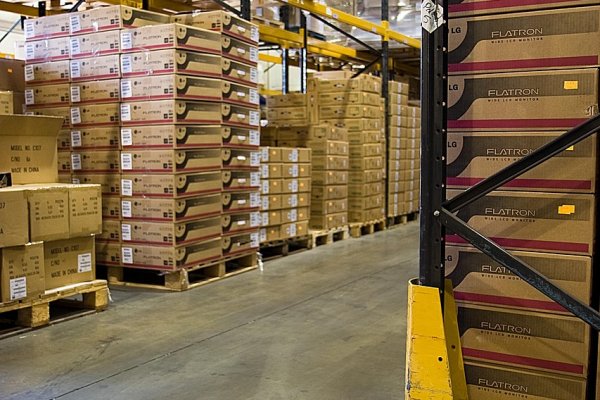
The landscape of order fulfilment has undergone a remarkable transformation over the past decade, driven by technological innovation, optimized storage solutions, and regional expertise. As e-commerce continues its exponential growth, businesses are increasingly recognizing that efficient fulfilment operations are no longer optional—they're essential for survival in a competitive marketplace. From sophisticated warehouse management systems to strategic storage configurations, modern fulfilment centers represent the convergence of technology, infrastructure, and operational excellence.
The Strategic Importance of Racking Storage in Fulfilment Operations
At the heart of any efficient fulfilment operation lies a well-designed racking storage system. These structures serve as the skeletal framework upon which entire warehouse operations are built, and their configuration can mean the difference between operational efficiency and costly bottlenecks. Modern racking systems have evolved far beyond simple shelving units, incorporating sophisticated designs that maximize vertical space, improve accessibility, and integrate seamlessly with automated handling equipment.
Types of Racking Systems Revolutionizing Fulfilment
Contemporary fulfilment centers employ various racking configurations, each tailored to specific operational requirements:
- Selective Pallet Racking: The most versatile option, providing direct access to every pallet position while maintaining cost-effectiveness for operations with diverse SKU profiles
- Drive-in and Drive-through Racking: High-density storage solutions ideal for businesses managing large quantities of similar products with lower SKU diversity
- Push-back Racking: Dynamic systems that utilize gravity to move pallets forward, reducing forklift travel time and increasing picking efficiency
- Mobile Racking: Space-saving systems mounted on motorized bases, particularly valuable in urban fulfilment centers where real estate costs are premium
- Cantilever Racking: Specialized designs for long, bulky items that don't conform to standard pallet dimensions
The selection of appropriate racking storage directly impacts key performance indicators including order processing speed, inventory accuracy, and warehouse capacity utilization. Forward-thinking fulfilment operations recognize that investing in the right racking infrastructure pays dividends through improved throughput and reduced operational costs.
Sheffield: A Hub of Fulfilment Excellence
The city of Sheffield has emerged as a significant player in the UK's fulfilment landscape, leveraging its strategic location and industrial heritage to become a center of logistics excellence. Positioned at the crossroads of major transportation routes, Sheffield's fulfilment sector benefits from exceptional connectivity to both national and international markets.
Why Sheffield Matters in the Fulfilment Ecosystem
Several factors contribute to Sheffield's growing prominence in the fulfilment industry:
Geographic Advantage: Located in the heart of England, Sheffield provides fulfilment centers with the ability to reach approximately 75% of the UK population within a four-hour drive. This geographic positioning reduces transportation costs and enables same-day or next-day delivery to major population centers, a critical capability in the age of customer expectations shaped by Amazon Prime and similar services.
Infrastructure Investment: The region has witnessed substantial investment in logistics infrastructure, with modern fulfilment facilities featuring state-of-the-art technology and expansive warehouse spaces. These developments attract businesses seeking reliable third-party logistics partners who can scale operations according to seasonal demands and business growth.
Skilled Workforce: Sheffield's transition from traditional manufacturing to advanced logistics has created a workforce experienced in warehouse operations, inventory management, and technology-driven fulfilment processes. This human capital advantage cannot be overstated, as successful fulfilment ultimately depends on trained professionals who understand both systems and customer service imperatives.
For businesses exploring fulfilment options, platforms like www.search3pl.com provide valuable resources for comparing 3PL providers across different regions, including Sheffield's growing fulfilment sector.
Technology Transformation in Fulfilment Operations
The integration of advanced technology has fundamentally redefined what's possible in fulfilment operations. Today's warehouses bear little resemblance to their predecessors, with automation, artificial intelligence, and data analytics creating unprecedented efficiency gains and accuracy improvements.
Key Technological Innovations Driving Fulfilment Forward
Robotics and Automation: Autonomous mobile robots (AMRs) now navigate warehouse floors, transporting products from storage locations to picking stations. These systems reduce walking time for warehouse staff—which traditionally accounts for up to 60% of order processing time—and enable 24/7 operations that maximize facility utilization.
Internet of Things (IoT) Sensors: Smart sensors embedded throughout fulfilment centers provide real-time data on inventory levels, environmental conditions, and equipment performance. This constant stream of information enables predictive maintenance, prevents stockouts, and ensures product quality, particularly for temperature-sensitive items.
Artificial Intelligence and Machine Learning: AI algorithms analyze historical data to predict demand patterns, optimize inventory placement, and suggest efficient picking routes. These systems continuously learn and improve, adapting to seasonal variations and emerging trends without human intervention.
Vision Systems and Scanning Technology: Advanced camera systems and scanning technologies verify product accuracy at multiple points throughout the fulfilment process, virtually eliminating picking errors and ensuring customers receive exactly what they ordered.
Warehouse Management Systems: The Digital Brain of Fulfilment
If racking storage represents the physical infrastructure of fulfilment and technology provides the tools, then the Warehouse Management System (WMS) serves as the intelligent orchestrator coordinating all activities. A sophisticated WMS transforms a collection of processes into a synchronized operation capable of handling thousands of orders daily with remarkable precision.
Core Capabilities of Modern WMS Platforms
Contemporary WMS solutions offer comprehensive functionality that extends far beyond basic inventory tracking:
- Inventory Management: Real-time visibility into stock levels across multiple locations, with automatic reordering triggers and lot tracking for compliance and traceability requirements
- Order Processing: Intelligent order routing that batches similar orders, optimizes picking sequences, and prioritizes urgent shipments to maximize efficiency
- Labor Management: Performance tracking and task assignment systems that balance workloads, identify training opportunities, and improve workforce productivity
- Integration Capabilities: Seamless connections with e-commerce platforms, transportation management systems, and enterprise resource planning software, creating a unified technology ecosystem
- Analytics and Reporting: Comprehensive dashboards and customizable reports providing insights into operational performance, cost structures, and improvement opportunities
The WMS Selection Process
Choosing the appropriate WMS requires careful consideration of business requirements, scalability needs, and integration complexity. Small to medium-sized operations might benefit from cloud-based SaaS solutions offering lower upfront costs and faster implementation, while large enterprises with complex requirements often require customizable on-premise systems despite higher initial investment.
Key evaluation criteria include:
- Scalability to accommodate business growth without system replacement
- User interface intuitiveness to minimize training requirements and reduce errors
- Integration flexibility with existing technology infrastructure
- Vendor support quality and system update frequency
- Total cost of ownership including licensing, implementation, and ongoing maintenance
The Synergy: Combining Racking, Technology, and WMS
The true power of modern fulfilment emerges when optimized racking storage, advanced technology, and robust WMS platforms work in concert. This integration creates operational synergies that dramatically exceed the sum of individual components.
Consider a typical order fulfilment scenario in an advanced facility: The WMS receives an order through its e-commerce integration, immediately determining the optimal picking route based on racking location and current warehouse activity. It assigns the order to an available picker via mobile device, while simultaneously alerting an AMR to position itself at the first pick location. As the picker scans each item, the WMS verifies accuracy against the order and updates inventory in real-time. IoT sensors confirm proper handling of any temperature-sensitive items, while the system schedules packing station availability and generates shipping labels—all within seconds of order receipt.
This orchestrated efficiency reduces order cycle time, minimizes errors, and provides customers with immediate tracking updates. For businesses evaluating fulfilment partners capable of this level of sophistication, resources like www.search3pl.com enable comparison of providers based on technological capabilities and service offerings.
Future Trends Shaping Fulfilment Operations
The fulfilment industry continues evolving at a rapid pace, with several emerging trends poised to reshape operations further:
Micro-Fulfilment Centers: Smaller, urban facilities positioned closer to customers enable ultra-fast delivery while reducing transportation costs and environmental impact. These centers utilize intensive automation to overcome space constraints.
Sustainability Initiatives: Environmental considerations increasingly influence fulfilment operations, from energy-efficient racking lighting to electric vehicle fleets and recyclable packaging materials. Consumers and businesses alike prioritize partners demonstrating environmental responsibility.
Augmented Reality: AR devices overlay digital information onto physical warehouse environments, guiding pickers to exact locations and providing visual confirmation of correct items, further reducing errors and training time.
Blockchain Integration: Distributed ledger technology promises enhanced supply chain transparency, particularly valuable for high-value goods and industries requiring detailed provenance documentation.
Conclusion: The Competitive Imperative of Advanced Fulfilment
In today's hyper-competitive marketplace, fulfilment excellence has transitioned from operational detail to strategic differentiator. The integration of sophisticated racking storage systems, cutting-edge technology, and comprehensive WMS platforms—particularly in strategically located hubs like Sheffield—enables businesses to meet escalating customer expectations while maintaining operational efficiency.
Organizations that invest in these capabilities position themselves to thrive in an environment where delivery speed, accuracy, and flexibility increasingly determine market success. Whether managing fulfilment in-house or partnering with specialized third-party logistics providers, understanding these components and their synergistic potential remains essential for business leaders navigating the complex logistics landscape of the 2020s and beyond.


