
Fulfilment Warehouses: The Engine Powering Modern Commerce Success
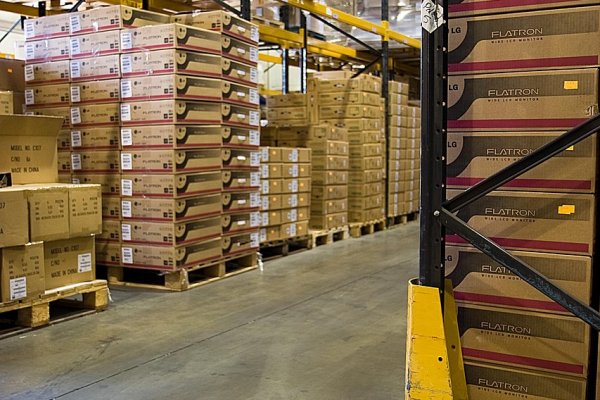
In today's rapidly evolving commercial landscape, the fulfilment warehouse has emerged as the critical infrastructure enabling businesses to meet customer expectations for speed, accuracy, and reliability. Whether you're operating a direct-to-consumer brand or managing complex B2B relationships, understanding how modern fulfilment warehouses function can transform your business operations and drive sustainable growth.
Understanding the Modern Fulfilment Warehouse
A fulfilment warehouse is far more than just a storage facility. It represents a sophisticated ecosystem where inventory management, order processing, packaging, and shipping converge to create seamless customer experiences. These facilities have evolved from simple storage spaces into technology-driven operations centers that serve as the backbone of modern commerce.
The contemporary fulfilment warehouse integrates advanced software systems, optimized physical layouts, and trained personnel to handle everything from receiving inventory to ensuring packages arrive at customers' doorsteps. This evolution has been driven by increasing consumer expectations and the need for businesses to remain competitive in an age where next-day or even same-day delivery has become standard.
The D2C Revolution and Fulfilment Requirements
Direct-to-consumer businesses have fundamentally changed the retail landscape, and fulfilment warehouses have adapted accordingly. D2C fulfilment presents unique challenges that differ significantly from traditional wholesale distribution models.
Key D2C Fulfilment Considerations
- High-volume, single-unit orders: Unlike B2B shipments, D2C typically involves processing numerous individual orders rather than bulk shipments
- Premium packaging requirements: Direct consumer shipments often require branded, protective packaging that creates positive unboxing experiences
- Returns management: D2C businesses typically experience higher return rates, requiring efficient reverse logistics capabilities
- Speed expectations: Consumers expect rapid fulfilment, often within 24-48 hours of placing orders
- Multi-channel integration: D2C brands often sell across multiple platforms requiring unified inventory management
Fulfilment warehouses supporting D2C operations must be equipped with technology that can handle high order volumes while maintaining accuracy rates exceeding 99.5%. The ability to scale operations during peak seasons without sacrificing service quality has become a defining characteristic of successful D2C fulfilment operations.
WooCommerce Integration: Connecting Your Store to Fulfilment
For businesses operating on WooCommerce, one of the world's most popular e-commerce platforms, seamless fulfilment warehouse integration is essential. WooCommerce fulfilment integration enables real-time synchronization between your online store and warehouse operations, creating a streamlined order flow.
Benefits of WooCommerce-Warehouse Integration
When your WooCommerce store connects directly to a fulfilment warehouse system, several operational advantages emerge:
- Automated order transmission: Orders flow automatically from your store to the warehouse management system without manual intervention
- Real-time inventory synchronization: Stock levels update instantly across all sales channels, preventing overselling
- Tracking information automation: Customers receive shipping notifications and tracking numbers automatically
- Reduced administrative workload: Elimination of manual data entry reduces errors and frees staff for strategic activities
- Improved customer experience: Faster order processing and accurate information improve satisfaction
Modern fulfilment warehouses offer API integrations or plugin solutions specifically designed for WooCommerce, making the technical implementation straightforward even for businesses without extensive IT resources. When evaluating potential fulfilment partners through resources like www.search3pl.com, WooCommerce compatibility should be a priority consideration for store owners using this platform.
Racking Storage: The Foundation of Efficient Warehousing
The physical infrastructure of a fulfilment warehouse significantly impacts operational efficiency, and racking storage systems form the foundation of this infrastructure. The right racking configuration can dramatically improve storage density, picking speed, and overall warehouse throughput.
Types of Racking Storage Systems
Different businesses require different racking solutions based on their inventory characteristics and order profiles:
- Selective pallet racking: The most common system, offering direct access to every pallet position—ideal for diverse inventory with medium turnover
- Drive-in racking: High-density storage for homogeneous products with lower SKU diversity
- Push-back racking: Combines density with selectivity, suitable for products with multiple pallets per SKU
- Carton flow racking: Gravity-fed systems perfect for high-velocity picking operations in D2C environments
- Vertical lift modules: Automated storage and retrieval systems maximizing vertical space utilization
The choice of racking storage system directly impacts key performance indicators including picking speed, storage capacity, and labor requirements. Professional fulfilment warehouses continuously optimize their racking configurations to accommodate changing inventory profiles and order patterns.
Racking and Operational Efficiency
Beyond simple storage, sophisticated racking strategies contribute to operational excellence. Slotting optimization—the practice of positioning inventory based on velocity and pick frequency—can reduce travel time for warehouse staff by up to 40%. Fast-moving items placed in easily accessible positions while slower-moving stock occupies higher or deeper locations maximizes throughput during peak periods.
B2B Fulfilment: Different Needs, Different Solutions
While D2C fulfilment garners significant attention, B2B fulfilment remains a substantial component of warehouse operations, with distinct requirements that demand specialized approaches.
Distinguishing B2B Fulfilment Characteristics
B2B fulfilment typically involves:
- Larger order quantities: Shipments measured in cases or pallets rather than individual units
- Scheduled delivery windows: Coordination with receiving dock schedules and business hours
- EDI integration: Electronic data interchange with enterprise resource planning systems
- Custom documentation: Commercial invoices, packing lists, and compliance certificates
- Flexible payment terms: Net-30 or net-60 payment arrangements rather than immediate payment
Many modern fulfilment warehouses serve both B2B and D2C clients, requiring flexible systems capable of handling both order types efficiently. The best facilities segment operations to optimize workflows for each channel while maintaining shared inventory visibility.
Hybrid Fulfilment Models
Increasingly, businesses operate hybrid models serving both end consumers and business customers. A company might sell directly to consumers through their WooCommerce store while also supplying retail partners or corporate clients. Fulfilment warehouses supporting these hybrid models must accommodate diverse order profiles, packaging requirements, and shipping methods within a single facility.
Choosing the Right Fulfilment Warehouse Partner
Selecting a fulfilment warehouse represents a strategic decision with long-term implications for customer satisfaction and operational costs. Several critical factors deserve careful evaluation:
Technology Capabilities
Modern warehouse management systems should offer real-time visibility, predictive analytics, and seamless integration with your selling platforms. Whether you're using WooCommerce, Shopify, or proprietary systems, your fulfilment partner must provide robust technical infrastructure.
Scalability and Flexibility
Your fulfilment needs will evolve as your business grows. The ideal warehouse partner accommodates seasonal fluctuations, supports expansion into new markets, and adapts to changing product lines without requiring you to switch providers.
Geographic Considerations
Warehouse location impacts shipping costs and delivery times. Strategic placement near major population centers or transportation hubs can reduce last-mile delivery expenses while improving service levels. Businesses with national or international reach might benefit from distributed fulfilment networks.
Specialization and Experience
Some fulfilment warehouses specialize in particular industries or product types. A facility experienced with your specific products—whether electronics, cosmetics, apparel, or food items—will understand regulatory requirements, handling needs, and potential challenges.
Resources like www.search3pl.com provide valuable comparison tools for evaluating multiple fulfilment providers based on your specific requirements, helping businesses make informed decisions without extensive research.
The Future of Fulfilment Warehousing
The fulfilment warehouse industry continues evolving rapidly, driven by technological advancement and changing consumer expectations. Automation and robotics are increasingly common, with autonomous mobile robots, automated picking systems, and AI-powered inventory management becoming standard rather than exceptional.
Sustainability has emerged as another critical consideration, with businesses and consumers demanding environmentally responsible operations. Modern fulfilment warehouses implement solar power, electric vehicle fleets, recyclable packaging materials, and optimized shipping routes to minimize environmental impact.
The integration of artificial intelligence and machine learning enables predictive inventory positioning, demand forecasting, and dynamic resource allocation—capabilities that improve efficiency while reducing costs.
Conclusion: The Strategic Value of Fulfilment Excellence
Whether you're building a D2C brand, managing B2B relationships, or operating a hybrid model, your fulfilment warehouse partner significantly influences customer satisfaction, operational efficiency, and bottom-line profitability. The right facility combines optimized racking storage, seamless platform integration including WooCommerce connectivity, and flexible operations capable of serving diverse customer segments.
As commerce continues evolving, the fulfilment warehouse remains the critical infrastructure enabling businesses to meet customer expectations while maintaining operational efficiency. Investing time in selecting the right partner and understanding how modern fulfilment operations work pays dividends through improved customer experiences, reduced costs, and sustainable competitive advantages in increasingly crowded markets.


