
Modern Warehouse Operations: 3PL, 4PL, and E-commerce Integration
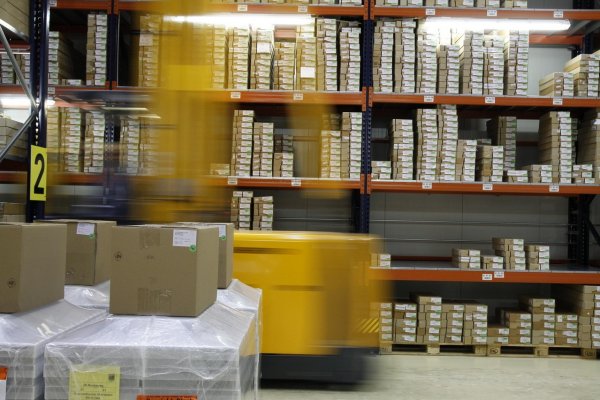
The modern warehouse has evolved far beyond simple storage facilities. Today's warehouses serve as sophisticated logistics hubs that integrate cutting-edge technology, complex supply chain management, and seamless e-commerce connectivity. Understanding the ecosystem of third-party logistics (3PL), fourth-party logistics (4PL), haulier partnerships, and platform integrations like Magento is essential for businesses looking to optimize their distribution strategy.
The Evolution of Warehouse Operations
Traditional warehousing focused primarily on storing goods until they were needed. Modern warehouse operations, however, have transformed into dynamic fulfillment centers that manage inventory visibility, order processing, and last-mile delivery coordination. This evolution has been driven by the explosive growth of e-commerce and consumer expectations for faster, more reliable delivery services.
Contemporary warehouses incorporate advanced technologies including warehouse management systems (WMS), automated picking systems, robotics, and real-time inventory tracking. These facilities must now handle everything from bulk storage to individual item picking, returns processing, and value-added services like kitting and customization.
Understanding 3PL Companies and Their Warehouse Networks
Third-party logistics providers operate warehouse networks that allow businesses to outsource their storage and fulfillment operations. These companies handle receiving, storage, picking, packing, and shipping on behalf of their clients, enabling businesses to focus on core competencies while leveraging professional logistics expertise.
The Biggest 3PL Companies in the Industry
The global 3PL market is dominated by several major players who operate extensive warehouse networks across multiple continents. Understanding these industry leaders helps businesses make informed decisions about potential logistics partners:
- DHL Supply Chain - Operating over 500 warehouses globally, DHL provides comprehensive logistics solutions with particular strength in pharmaceutical and automotive sectors
- Kuehne + Nagel - This Swiss-based company manages approximately 11 million square meters of warehouse space worldwide, offering sophisticated contract logistics services
- XPO Logistics - Known for technology-driven warehouse operations, XPO operates primarily in North America and Europe with advanced automation capabilities
- C.H. Robinson - With a network spanning over 100 warehouses, they excel in combining transportation management with warehousing services
- DB Schenker - Part of Deutsche Bahn, this provider operates more than 2,000 locations worldwide with strong capabilities in European markets
- CEVA Logistics - Specializing in contract logistics, CEVA manages extensive warehousing operations across automotive, healthcare, and technology sectors
When selecting from these major 3PL providers, businesses should evaluate factors including geographic coverage, industry specialization, technology capabilities, and scalability options. Resources like www.search3pl.com provide comprehensive comparisons to help businesses identify the most suitable partners for their specific requirements.
3PL Warehouse Services Beyond Storage
Modern 3PL warehouse operations extend far beyond basic storage functions. Value-added services include quality inspections, product assembly, custom packaging, labeling compliance, inventory management, and reverse logistics. These comprehensive offerings allow businesses to consolidate multiple logistics functions under a single provider, reducing complexity and often lowering overall costs.
The Role of Hauliers in Warehouse Operations
A haulier, also known as a freight hauler or carrier, plays a critical role in connecting warehouse facilities with the broader supply chain. These transportation specialists move goods between manufacturers, warehouses, distribution centers, and final destinations. The relationship between warehouses and hauliers is fundamental to efficient logistics operations.
Warehouse-Haulier Integration
Effective warehouse operations require seamless coordination with haulier services. This integration involves:
- Dock scheduling systems that coordinate inbound and outbound shipments to prevent congestion and minimize wait times
- Cross-docking capabilities where goods move directly from inbound to outbound transportation with minimal warehouse storage time
- Real-time tracking that provides visibility into shipment status and expected arrival times
- Documentation management ensuring proper paperwork accompanies all freight movements
Many larger 3PL companies maintain preferred haulier networks or operate their own transportation fleets, providing end-to-end control over the supply chain. This vertical integration can improve reliability, reduce costs, and enhance service quality through better coordination between warehouse and transportation functions.
4PL: The Next Level of Logistics Management
While 3PL providers execute logistics operations, fourth-party logistics (4PL) providers take a more strategic role, managing and optimizing entire supply chains on behalf of their clients. A 4PL acts as a single interface between the client and multiple logistics service providers, including warehouse operators, hauliers, and other 3PLs.
How 4PL Differs from Traditional 3PL Warehouse Services
The 4PL model represents a control tower approach to supply chain management. Rather than owning warehouses or transportation assets, 4PL providers focus on orchestration, technology integration, and strategic optimization. They analyze the entire supply chain, identify inefficiencies, select and manage multiple 3PL providers, and implement technology solutions that provide comprehensive visibility.
For businesses with complex, global supply chains, 4PL partnerships offer several advantages:
- Neutral vendor management - The 4PL objectively selects and manages multiple service providers without bias toward specific assets
- Scalability and flexibility - Resources can be quickly adjusted by changing the mix of underlying service providers
- Advanced analytics - Comprehensive data analysis across the entire supply chain identifies optimization opportunities
- Reduced management burden - A single point of contact replaces managing multiple logistics providers
However, the 4PL model isn't appropriate for every business. Companies with simpler supply chains or those requiring direct operational control may find traditional 3PL warehouse partnerships more suitable and cost-effective.
Magento Integration with Warehouse Operations
Magento, now known as Adobe Commerce, powers thousands of e-commerce stores worldwide. For these businesses, seamless integration between their Magento platform and warehouse operations is critical for providing accurate inventory information, processing orders efficiently, and meeting customer delivery expectations.
Connecting Magento to 3PL Warehouses
Modern 3PL providers offer sophisticated integration capabilities with e-commerce platforms like Magento. These integrations typically include:
- Real-time inventory synchronization ensuring the Magento storefront displays accurate stock levels
- Automated order transmission sending new orders directly to the warehouse management system
- Tracking number updates automatically updating customer accounts with shipment information
- Returns processing managing reverse logistics seamlessly through the Magento interface
The technical implementation typically involves API connections between Magento and the 3PL's warehouse management system. Many established providers offer pre-built connectors or work with middleware platforms that facilitate these integrations without extensive custom development.
Benefits of Integrated Magento-Warehouse Systems
Businesses operating Magento stores gain significant advantages from proper warehouse integration. Order accuracy improves dramatically when manual data entry is eliminated. Fulfillment speed increases as orders flow automatically to the warehouse without human intervention. Customer satisfaction rises when shoppers receive accurate delivery estimates based on real warehouse data.
When evaluating 3PL partners for Magento-based businesses, technical integration capabilities should be a primary consideration. Platforms like www.search3pl.com allow businesses to filter providers based on specific e-commerce platform compatibility, ensuring potential partners have proven experience with Magento integrations.
Selecting the Right Warehouse Solution
Choosing between in-house warehousing, 3PL partnerships, or 4PL management requires careful analysis of multiple factors. Businesses should consider their order volume, geographic reach, product characteristics, seasonal fluctuations, and growth projections.
Key Decision Criteria
When evaluating warehouse solutions, prioritize these considerations:
- Geographic coverage - Where are your customers located, and how can warehouse placement optimize delivery times and costs?
- Scalability - Can the solution grow with your business without requiring disruptive transitions?
- Technology capabilities - Does the provider offer integrations with your e-commerce platform and other business systems?
- Specialization - Do they have experience with your product type, whether that's temperature-sensitive goods, oversized items, or hazardous materials?
- Financial structure - Understanding the complete cost structure, including storage fees, handling charges, and technology costs
The Future of Warehouse Operations
The warehouse industry continues evolving rapidly. Emerging technologies like artificial intelligence, autonomous vehicles, and advanced robotics are transforming how facilities operate. Sustainability concerns are driving innovations in energy efficiency and packaging reduction. The growth of omnichannel retail is requiring warehouses to support diverse fulfillment models including ship-from-store, buy-online-pickup-in-store, and same-day delivery.
For businesses navigating this complex landscape, partnering with experienced logistics providers—whether 3PL, 4PL, or specialized hauliers—offers access to expertise, technology, and infrastructure that would be prohibitively expensive to develop independently. The key is selecting partners whose capabilities align with your specific business requirements and growth trajectory, ensuring your warehouse operations become a competitive advantage rather than a operational burden.


