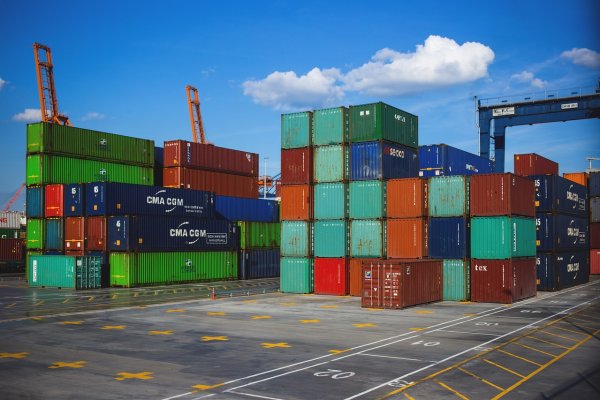
UK Warehouse Import Compliance Guide
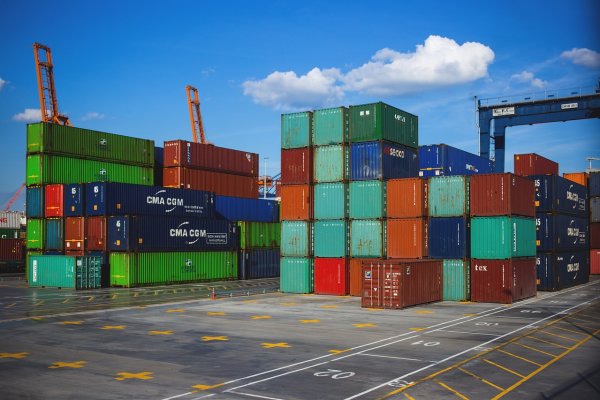
Understanding the Modern UK Warehouse Landscape
The warehouse industry in the United Kingdom has undergone significant transformation in recent years, driven by the surge in e-commerce, post-Brexit regulatory changes, and evolving customer expectations. For businesses looking to establish or optimize their warehouse operations, understanding the intricate relationship between carrier partnerships, cost structures, and compliance requirements is essential for long-term success.
Today's warehouse environment demands more than simple storage solutions. Companies must navigate complex import regulations, manage relationships with multiple carriers including Parcel Force, and carefully evaluate third-party logistics costs while maintaining strict compliance standards. This comprehensive guide explores these critical components to help businesses make informed decisions about their warehousing strategy.
Parcel Force Integration: Connecting Your Warehouse to UK Networks
Parcel Force Worldwide, owned by Royal Mail Group, represents one of the UK's most established courier services, offering both domestic and international delivery solutions. For warehouse operators, establishing effective integration with Parcel Force can significantly enhance distribution capabilities and customer satisfaction.
Benefits of Parcel Force Partnership
Integrating Parcel Force services into your warehouse operations provides several strategic advantages:
- Extensive UK Coverage: Parcel Force maintains comprehensive coverage across the United Kingdom, including remote areas often underserved by other carriers
- International Reach: With connections to over 220 countries and territories, Parcel Force facilitates global expansion for businesses importing and exporting through UK warehouses
- Flexible Service Levels: From economy to express delivery options, warehouses can offer customers varied shipping choices based on urgency and budget
- Track and Trace Systems: Advanced tracking capabilities enable real-time visibility throughout the delivery journey, reducing customer service inquiries
- Customs Expertise: Parcel Force's experience with international shipments helps streamline customs clearance processes for imported goods
Operational Considerations for Warehouse Integration
Successfully incorporating Parcel Force into warehouse workflows requires careful planning. Warehouses must implement appropriate labeling systems, establish collection schedules that align with operational hours, and train staff on Parcel Force-specific procedures. Many modern warehouse management systems offer direct API integration with Parcel Force, automating label generation and tracking updates to minimize manual intervention and errors.
3PL Warehousing Costs: Breaking Down the Investment
Understanding the complete cost structure of third-party logistics warehousing is crucial for budgeting and making informed outsourcing decisions. Unlike the straightforward rent of traditional storage, 3PL warehousing involves multiple cost components that vary based on services utilized and operational complexity.
Primary Cost Components
Storage Fees typically represent the baseline expense, calculated per pallet position, cubic meter, or square footage. UK 3PL providers generally charge between £8-£15 per pallet per week, though rates fluctuate based on location, facility specifications, and volume commitments. Specialized storage requirements—such as temperature-controlled environments or hazardous materials handling—command premium rates.
Inbound Receiving Costs cover the labor and processing involved when inventory arrives at the warehouse. These fees usually range from £15-£35 per pallet or £0.30-£0.80 per item, depending on whether goods require additional services like quality inspection, repackaging, or special handling protocols.
Pick and Pack Fees constitute the charges for order fulfillment activities. Standard pick fees range from £0.50-£1.50 per item picked, with additional charges for complex operations like kitting, gift wrapping, or custom packaging. These costs scale with order complexity rather than simply order volume.
Outbound Shipping represents the actual carrier charges plus any warehouse handling fees for preparing shipments. Many 3PL providers leverage volume discounts with carriers like Parcel Force, potentially offering more competitive shipping rates than businesses could negotiate independently.
Hidden and Variable Costs
Beyond the primary fee structure, businesses should anticipate several additional expenses:
- Account management fees for dedicated support
- Technology integration costs for connecting e-commerce platforms or ERP systems
- Returns processing fees, particularly relevant for e-commerce operations
- Inventory management services including cycle counting and reporting
- Minimum monthly charges regardless of actual usage
When comparing providers through platforms like www.search3pl.com, businesses should request comprehensive pricing breakdowns and clearly understand which services fall within base fees versus additional charges. This transparency enables accurate cost comparisons and prevents budget surprises.
Import Compliance: Navigating UK Regulatory Requirements
Post-Brexit, UK import compliance has become increasingly complex, with warehouses playing a critical role in ensuring goods meet all regulatory requirements before distribution. Non-compliance can result in substantial penalties, shipment delays, and even seizure of goods, making this area particularly crucial for warehouse operators handling imported products.
Essential UK Import Documentation
Warehouses receiving imported goods must verify that shipments arrive with complete and accurate documentation. Essential documents include:
- Commercial Invoice: Detailed description of goods, including value, quantity, and country of origin
- Bill of Lading or Air Waybill: Transport document serving as receipt and contract
- Packing List: Comprehensive itemization of shipment contents
- Import License: Required for restricted goods categories
- Certificate of Origin: Necessary for claiming preferential duty rates under trade agreements
- Conformity Certificates: Proving products meet UK safety and quality standards
Customs Declarations and Duty Management
All goods entering the UK from outside must be declared to HM Revenue & Customs using the Customs Declaration Service. Warehouses frequently partner with customs brokers or utilize their own authorized representatives to manage this process. Understanding commodity codes, accurately calculating duties and VAT, and determining applicable trade agreements significantly impacts the total landed cost of imported inventory.
Many 3PL warehouses offer bonded warehouse facilities, allowing businesses to defer duty and VAT payments until goods are withdrawn for domestic consumption. This arrangement improves cash flow and provides flexibility for re-exporting goods without incurring UK duties.
Product Compliance Standards
Beyond customs clearance, imported products must meet UK regulatory standards. The UKCA (UK Conformity Assessed) marking has replaced the CE marking for many product categories, requiring manufacturers and importers to ensure products comply with UK-specific regulations. Warehouses should implement verification processes to confirm products bear appropriate markings before distribution.
Particular attention must be paid to:
- Electrical safety standards for electronic goods
- Toy safety regulations for children's products
- Food safety and labeling requirements
- Textile labeling and composition disclosure
- Chemical substance restrictions under UK REACH
Creating an Integrated Warehouse Compliance Strategy
Effective warehouse operations in the UK require integration of carrier partnerships, cost management, and compliance protocols into a cohesive strategy. Businesses should consider these best practices:
Technology Investment
Modern warehouse management systems with integrated compliance checking can automatically flag shipments missing required documentation, verify product certifications against database records, and generate audit trails for regulatory inspections. When evaluating 3PL providers through directories like www.search3pl.com, prioritize those with robust technology platforms that support compliance automation.
Staff Training and Development
Compliance requirements evolve regularly, particularly in the post-Brexit environment. Warehouses must invest in ongoing staff training covering import regulations, carrier-specific procedures, and quality control protocols. Well-trained personnel reduce errors that lead to costly delays or penalties.
Strategic Carrier Relationships
Rather than relying exclusively on Parcel Force or any single carrier, successful warehouses develop multi-carrier strategies that provide redundancy, cost optimization, and service level flexibility. However, managing multiple carrier relationships requires sophisticated systems for rate shopping, label generation, and performance tracking.
Regular Compliance Audits
Periodic internal audits help identify compliance gaps before they become serious issues. These reviews should examine documentation completeness, proper duty calculation, accurate product classification, and adherence to carrier shipping requirements. Many businesses engage third-party compliance specialists annually to provide objective assessments.
Future-Proofing Your Warehouse Operations
The UK warehousing landscape continues evolving with technological advancement, regulatory changes, and shifting consumer expectations. Businesses must remain agile, continuously evaluating their 3PL partnerships, monitoring compliance developments, and optimizing carrier relationships to maintain competitive advantage.
Success in this environment requires viewing warehousing not as a simple cost center but as a strategic capability that enables market responsiveness, customer satisfaction, and regulatory compliance. Whether operating your own facility or partnering with third-party providers, understanding the interplay between Parcel Force integration, comprehensive cost structures, and import compliance positions your business for sustainable growth in the dynamic UK marketplace.
By implementing rigorous compliance protocols, accurately modeling total warehousing costs, and establishing effective carrier partnerships, businesses can transform their warehouse operations from potential liability into genuine competitive advantage, confidently navigating the complexities of modern UK logistics.