
Modern Warehouses: Sustainability Meets Efficient Supply Chains
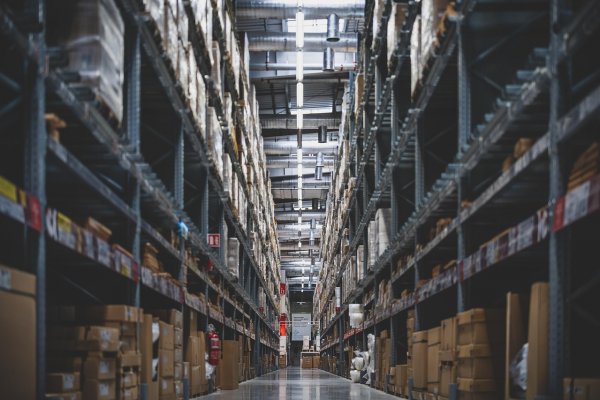
The modern warehouse has evolved far beyond being a simple storage facility. Today's warehouses serve as strategic hubs within complex supply chains, balancing operational efficiency with environmental responsibility while adapting to new fulfillment models like Amazon's FBA program. As businesses worldwide face mounting pressure to reduce their carbon footprint while maintaining competitive advantage, warehouse operations stand at the intersection of sustainability and profitability.
The Green Revolution in Warehouse Operations
Sustainability has transitioned from a buzzword to a business imperative in warehouse management. Forward-thinking companies are discovering that environmentally conscious warehousing isn't just good for the planet—it's excellent for the bottom line. The integration of sustainable practices throughout warehouse operations creates a ripple effect that benefits businesses, communities, and the environment simultaneously.
Energy Efficiency and Renewable Resources
Modern warehouses are increasingly powered by renewable energy sources. Solar panels adorning warehouse roofs have become commonplace, with facilities generating substantial portions of their energy needs from the sun. LED lighting systems with motion sensors reduce electricity consumption by up to 75% compared to traditional lighting, while smart climate control systems optimize heating and cooling based on real-time occupancy and external weather conditions.
The shift toward electric forklifts and material handling equipment eliminates harmful emissions within warehouse spaces, improving air quality for workers while reducing the facility's carbon footprint. These investments typically pay for themselves within three to five years through reduced energy costs, making them financially attractive alongside their environmental benefits.
Building Design and Materials
Sustainable warehouse construction incorporates eco-friendly materials and design principles that minimize environmental impact. Features include:
- Green roofing systems that provide insulation and manage stormwater runoff
- Recycled and locally-sourced building materials reducing transportation emissions
- Natural ventilation systems that decrease reliance on mechanical cooling
- Rainwater harvesting systems for non-potable water needs
- High-performance insulation that dramatically reduces heating and cooling requirements
Supply Chain Integration and Warehouse Strategy
Warehouses function as critical nodes within supply chain networks, and their strategic positioning can make or break operational efficiency. The relationship between warehouse location, inventory management, and distribution speed determines overall supply chain performance and customer satisfaction levels.
Strategic Location Planning
Geographic positioning of warehouses directly impacts transportation costs, delivery times, and environmental footprint. Many businesses are adopting a distributed warehouse model, positioning smaller fulfillment centers closer to major population centers rather than relying on massive centralized facilities. This approach reduces last-mile delivery distances, cutting both costs and emissions while improving delivery speed.
When evaluating warehouse locations, companies using platforms like www.search3pl.com consider factors including proximity to transportation hubs, labor availability, utility costs, and local regulations. The right location can reduce transportation expenses by 20-30% while simultaneously decreasing delivery times and carbon emissions.
Technology-Driven Efficiency
Modern warehouse management systems (WMS) optimize every aspect of operations, from receiving and putaway to picking and shipping. Artificial intelligence and machine learning algorithms predict demand patterns, optimize inventory placement, and coordinate movements to minimize wasted motion and energy consumption.
Real-time tracking technologies provide unprecedented visibility throughout the supply chain. RFID tags, IoT sensors, and automated scanning systems eliminate manual data entry errors while providing stakeholders with accurate, up-to-the-minute information about inventory location and status. This transparency enables better decision-making across the entire supply chain network.
Fulfillment by Amazon (FBA) and Third-Party Logistics
The explosive growth of e-commerce has transformed warehouse operations, with Amazon's FBA program setting new standards for speed and efficiency. Understanding how FBA warehousing works—and how to leverage similar models—has become essential for businesses seeking competitive advantage in the digital marketplace.
The FBA Warehouse Model
FBA allows sellers to store products in Amazon's fulfillment centers, where Amazon handles storage, picking, packing, shipping, and customer service. This model offers several advantages:
- Access to Amazon Prime's vast customer base
- Reduced logistics overhead for sellers
- Professional fulfillment with Amazon's reputation backing the transaction
- Scalability without infrastructure investment
- Multi-channel fulfillment options beyond Amazon's marketplace
However, FBA also presents challenges including storage fees, strict packaging requirements, and limited control over the customer experience. Many businesses balance FBA with their own warehousing or third-party logistics providers to maintain flexibility and control.
Alternative Fulfillment Strategies
While FBA dominates discussions about e-commerce fulfillment, numerous alternatives exist. Third-party logistics (3PL) providers offer customized warehousing and fulfillment solutions that can be tailored to specific business needs. These providers often deliver cost advantages for businesses with unique product requirements, seasonal fluctuations, or specific service level agreements.
Comparing services through directories such as www.search3pl.com enables businesses to evaluate options based on their specific requirements, finding providers that align with their sustainability goals, technological capabilities, and geographic needs.
Palletisation: Foundation of Efficient Warehousing
Palletisation might seem mundane, but this fundamental warehousing practice profoundly impacts efficiency, sustainability, and cost-effectiveness. Strategic palletisation optimizes space utilization, protects products, facilitates handling, and reduces labor requirements throughout the supply chain.
Pallet Standards and Material Choices
Standardized pallet dimensions enable seamless movement through supply chains, with the most common sizes being 48x40 inches in North America and 1200x800mm in Europe. However, pallet material choices increasingly reflect sustainability priorities:
- Wood pallets remain the most common, offering strength and repairability, with sustainable forestry certification becoming standard
- Plastic pallets provide durability and hygiene advantages, particularly in food and pharmaceutical applications, with many made from recycled materials
- Recycled paper pallets offer lightweight alternatives for one-way shipments
- Composite materials combine various recycled inputs for specific performance characteristics
Optimization Strategies
Effective palletisation goes beyond simply stacking boxes. Advanced strategies include:
Cube optimization maximizes the use of available vertical and horizontal space, reducing the number of pallets required and consequently decreasing transportation and storage costs. Software solutions calculate optimal stacking patterns considering product dimensions, weight, fragility, and stacking strength.
Cross-docking arrangements on pallets minimize warehouse dwell time by enabling products to move directly from receiving to shipping with minimal storage. This approach reduces handling costs and inventory holding expenses while accelerating product flow through the supply chain.
Pallet pooling systems, where standardized pallets circulate through supply chains rather than being disposed of or returned, represent a circular economy approach that significantly reduces waste and resource consumption. These systems have demonstrated environmental benefits while often reducing total cost of ownership compared to traditional pallet purchasing models.
Integrating Sustainable Practices Across Operations
True warehouse sustainability requires holistic thinking that extends beyond individual initiatives to encompass entire operational ecosystems. Progressive warehouses are implementing comprehensive programs that address waste reduction, resource efficiency, and social responsibility simultaneously.
Waste Minimization Programs
Modern warehouses generate significantly less waste than their predecessors through strategic initiatives including comprehensive recycling programs for cardboard, plastic, and other packaging materials, with many facilities achieving zero-landfill status. Packaging right-sizing reduces material usage while maintaining product protection, and reusable container systems eliminate single-use packaging for internal movements and returns processing.
Social Sustainability
Sustainability extends beyond environmental concerns to encompass social responsibility. Leading warehouses invest in worker safety, ergonomic equipment, climate-controlled environments, and career development opportunities. These investments reduce turnover, improve productivity, and enhance company reputation—demonstrating that sustainability encompasses people as well as planet.
The Future of Warehousing
Warehouse operations continue evolving rapidly, driven by technological innovation, changing consumer expectations, and intensifying sustainability imperatives. Automation and robotics are transforming fulfillment operations, with collaborative robots working alongside human workers to improve efficiency and reduce physical strain. Blockchain technology promises enhanced supply chain transparency and traceability, while artificial intelligence increasingly optimizes complex operational decisions in real-time.
The warehouses of tomorrow will be increasingly autonomous, sustainable, and integrated within broader supply chain networks. Success will require balancing efficiency with responsibility, leveraging technology while maintaining flexibility, and optimizing operations while minimizing environmental impact. Businesses that embrace these principles today position themselves for competitive advantage tomorrow, creating value for stakeholders while contributing to a more sustainable future.
As global supply chains grow more complex and sustainability expectations intensify, the warehouse's role as a strategic asset becomes ever more critical. Whether through FBA programs, third-party logistics partnerships, or proprietary operations, effective warehousing combines operational excellence with environmental stewardship—proving that profitability and sustainability can advance together rather than compete.


