
Warehouse Revolution: Sheffield's Supply Chain Crisis Exposed
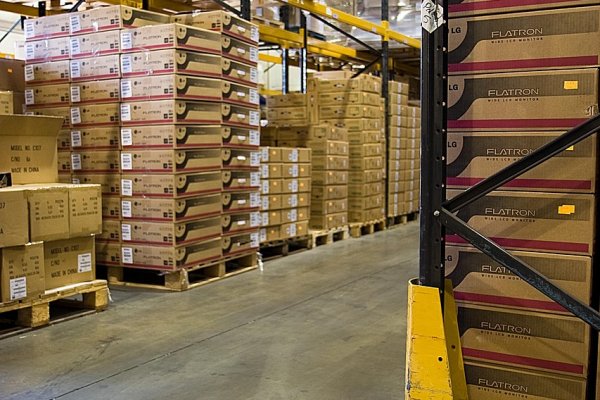
The Modern Warehouse: Foundation of Supply Chain Excellence
The warehouse has evolved from a simple storage facility into a sophisticated nerve center of global commerce. Today's warehouses are technological marvels that combine advanced racking storage systems, skilled workforces, and integrated supply chain management to deliver unprecedented efficiency. As businesses face mounting pressure to meet consumer demands while controlling costs, the strategic importance of warehouse operations has never been more critical.
The transformation of warehouse operations represents one of the most significant shifts in modern logistics. Companies that once viewed warehousing as a necessary expense now recognize it as a competitive advantage. This paradigm shift has driven innovations in storage technology, workforce development, and supply chain integration that are reshaping the entire logistics landscape.
Sheffield: The Steel City's Logistics Renaissance
Sheffield, traditionally known for its industrial heritage in steel manufacturing, has emerged as a strategic logistics hub in the United Kingdom's supply chain network. The city's central location, excellent transport infrastructure, and skilled workforce have attracted major retailers, manufacturers, and third-party logistics providers to establish significant warehouse operations in the region.
Strategic Advantages of Sheffield's Location
Sheffield's position in South Yorkshire provides unparalleled access to major motorway networks, including the M1, M18, and M180. This connectivity enables efficient distribution to major population centers across the UK, with approximately 60% of the British population reachable within a three-hour drive. The city's proximity to major ports, including Hull and Immingham, facilitates seamless international trade operations.
The region has witnessed substantial investment in warehouse development over the past decade. Major logistics parks have sprouted across Sheffield and surrounding areas, offering modern facilities equipped with the latest technology and infrastructure. These developments have created thousands of jobs and positioned Sheffield as a crucial node in national and international supply chains.
Economic Impact on the Region
The growth of warehouse operations in Sheffield has generated significant economic benefits for the region. The logistics sector now employs tens of thousands of workers in various roles, from warehouse operatives to supply chain managers. This employment growth has stimulated local economies, supported small businesses, and attracted complementary industries to the area.
Racking Storage: Maximizing Vertical Real Estate
As land costs increase and available industrial space becomes scarce, racking storage systems have become essential for maximizing warehouse capacity. Modern racking solutions enable businesses to utilize vertical space efficiently, dramatically increasing storage density without expanding the warehouse footprint.
Types of Racking Systems
Contemporary warehouses employ diverse racking configurations tailored to specific operational requirements:
- Selective Pallet Racking: The most common system, offering direct access to every pallet stored, ideal for operations requiring high selectivity and product variety
- Drive-In and Drive-Through Racking: High-density storage solutions that eliminate aisles, maximizing space utilization for homogeneous products with lower turnover rates
- Push-Back Racking: Systems that allow storage of multiple pallets deep while maintaining good selectivity, perfect for medium-turnover inventory
- Cantilever Racking: Specialized storage for long, bulky items such as timber, pipes, and furniture, featuring arms extending from vertical columns
- Automated Storage and Retrieval Systems (AS/RS): Computer-controlled systems that automatically place and retrieve loads from defined storage locations
Safety and Compliance Considerations
Racking storage systems must comply with stringent safety regulations to protect workers and inventory. Regular inspections, proper load distribution, and adherence to manufacturer specifications are non-negotiable requirements. The Health and Safety Executive provides comprehensive guidance on racking safety, emphasizing the importance of routine checks, damage reporting, and immediate remediation of identified issues.
Modern warehouses implement sophisticated rack protection systems, including column guards, end-of-aisle barriers, and load backstops. These measures prevent forklift collisions and load collapses that could result in catastrophic injuries or inventory losses. Investment in quality racking infrastructure and safety equipment pays dividends through reduced accidents, lower insurance premiums, and improved operational confidence.
Supply Chain Integration: The Warehouse as Strategic Hub
The contemporary warehouse functions as far more than a passive storage location. It serves as an active supply chain orchestration center where inventory flows are managed, orders are fulfilled, and value-added services are performed. This integration requires sophisticated information systems, collaborative partnerships, and strategic planning.
Technology-Enabled Supply Chain Visibility
Modern warehouses leverage warehouse management systems (WMS), enterprise resource planning (ERP) platforms, and real-time tracking technologies to provide unprecedented visibility across the supply chain. These systems enable businesses to monitor inventory levels, track shipments, predict demand, and optimize resource allocation with remarkable precision.
The integration of Internet of Things (IoT) sensors, radio-frequency identification (RFID) tags, and automated data capture technologies has transformed warehouse operations. Businesses can now track individual items throughout the supply chain, from manufacturer to end consumer, enabling proactive problem-solving and continuous improvement initiatives.
The Rise of Omnichannel Fulfillment
Consumer expectations for rapid delivery and flexible fulfillment options have fundamentally altered warehouse operations. Modern facilities must support multiple fulfillment channels simultaneously, including traditional wholesale distribution, direct-to-consumer e-commerce, click-and-collect services, and retail replenishment. This complexity requires flexible layouts, sophisticated order processing systems, and highly trained staff capable of managing diverse workflows. Organizations seeking to optimize their warehouse operations can explore comprehensive solutions through platforms like www.search3pl.com, which connects businesses with specialized logistics providers.
Workforce Training: The Human Element of Warehouse Excellence
While automation receives considerable attention, the skilled warehouse workforce remains the cornerstone of successful operations. Comprehensive training programs ensure workers can operate equipment safely, process orders accurately, and adapt to evolving operational requirements.
Essential Training Components
Effective warehouse workforce training encompasses multiple competency areas:
- Safety Training: Comprehensive instruction on equipment operation, manual handling techniques, hazard identification, and emergency procedures forms the foundation of any training program
- Equipment Certification: Formal qualifications for forklift operation, powered pallet jack use, and other material handling equipment ensure workers meet legal requirements and operational standards
- Technology Proficiency: Training on warehouse management systems, handheld scanners, and other digital tools enables workers to leverage technology effectively
- Quality Standards: Education on accuracy requirements, product handling protocols, and quality control procedures maintains operational excellence
- Customer Service Skills: As warehouses increasingly interface directly with end consumers, soft skills training in communication and problem-solving becomes essential
Addressing the Skills Gap
The logistics sector faces a significant skills shortage as experienced workers retire and technology evolves rapidly. Progressive companies are investing heavily in apprenticeship programs, partnerships with educational institutions, and internal development initiatives to build sustainable talent pipelines.
Sheffield's warehouses have embraced this challenge through collaboration with local colleges and training providers. These partnerships develop curricula aligned with industry needs, providing students with practical experience and employers with access to qualified candidates. Such initiatives strengthen the regional workforce while supporting individual career development.
Retention Through Development
Warehouse work is often perceived as low-skilled and transient, contributing to high turnover rates that plague the industry. Forward-thinking organizations combat this perception through clear career pathways, continuous training opportunities, and recognition programs that demonstrate the value placed on warehouse staff.
Investment in workforce development yields substantial returns through improved productivity, reduced accidents, enhanced quality, and lower recruitment costs. Employees who receive regular training and development opportunities demonstrate higher engagement, better performance, and greater loyalty to their employers.
The Future of Warehouse Operations
The warehouse sector continues to evolve rapidly, driven by technological innovation, changing consumer expectations, and global economic pressures. Emerging trends include increased automation, artificial intelligence-powered optimization, sustainable operations, and greater integration of warehouse functions with broader supply chain activities.
Automation and Robotics
Automated guided vehicles (AGVs), autonomous mobile robots (AMRs), and robotic picking systems are increasingly common in modern warehouses. These technologies complement human workers by handling repetitive tasks, improving accuracy, and enabling facilities to operate continuously. The most successful implementations view automation as augmenting rather than replacing human capabilities, creating hybrid operations that leverage the strengths of both.
Sustainability Initiatives
Environmental considerations are reshaping warehouse design and operations. Solar panels, LED lighting, rainwater harvesting, and energy-efficient heating systems reduce environmental impact while lowering operating costs. Businesses recognize that sustainable operations attract environmentally conscious customers and employees while preparing organizations for increasingly stringent environmental regulations.
Resilience and Flexibility
Recent global disruptions have highlighted the importance of supply chain resilience. Warehouses must now accommodate rapid volume fluctuations, product mix changes, and supply source variations. This flexibility requires adaptable racking systems, cross-trained workforces, and scalable technology infrastructure that can expand or contract based on demand.
Organizations seeking to optimize their warehouse operations and supply chain performance can benefit from exploring specialized third-party logistics providers through resources like www.search3pl.com, which offers comprehensive comparisons of services and pricing across the global 3PL landscape.
Conclusion: Strategic Warehouse Management as Competitive Advantage
The modern warehouse represents the convergence of advanced infrastructure, skilled personnel, and strategic supply chain thinking. Success requires continuous investment in racking storage systems that maximize space utilization, workforce training programs that develop capable and engaged employees, and supply chain integration that positions the warehouse as a value-creation center rather than a cost center.
Sheffield's emergence as a logistics hub demonstrates how regional strengths, strategic location, and coordinated investment can transform warehouse operations from commodity services into competitive differentiators. As businesses navigate increasingly complex global markets, the warehouse will continue to evolve, incorporating new technologies and operational approaches that enable faster, more accurate, and more sustainable fulfillment of customer demands.
Organizations that recognize this reality and invest accordingly will thrive in the competitive logistics landscape, while those that view warehousing as a tactical rather than strategic function risk falling behind. The revolution in warehouse operations is not coming—it is already here, reshaping supply chains and redefining competitive success across industries and regions.


