
Finding the Perfect Warehouse for Your Growing Business
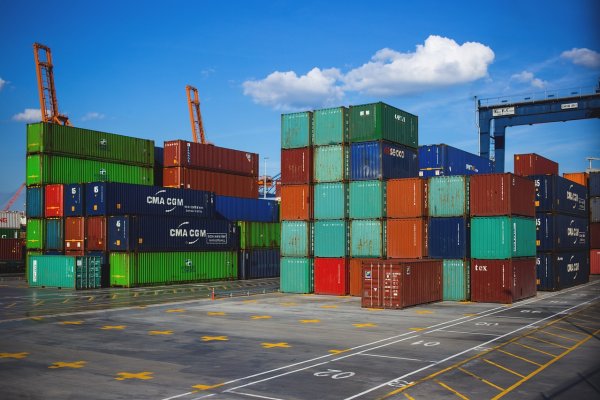
Selecting the right warehouse is one of the most critical decisions a growing business can make. Whether you're expanding your operations, relocating for strategic advantages, or establishing your first dedicated fulfillment center, the warehouse you choose will significantly impact your operational efficiency, customer satisfaction, and bottom line. This comprehensive guide explores the essential factors to consider when searching for a new warehouse facility.
Understanding Your Warehouse Requirements
Before beginning your warehouse search, it's crucial to define your specific needs. The perfect warehouse for one business might be completely unsuitable for another. Start by assessing your current and projected inventory volumes, the nature of your products, and your growth trajectory over the next three to five years.
Consider the physical characteristics of your inventory. Do you handle temperature-sensitive products requiring climate control? Are your items bulky and require high ceilings and wide aisles? Understanding these fundamentals will help narrow your search significantly and prevent costly mistakes.
Inventory Management Capabilities
Modern inventory management extends far beyond simple storage. Your new warehouse must support sophisticated inventory tracking, real-time visibility, and seamless integration with your existing systems. When evaluating potential facilities, examine their technological infrastructure and compatibility with your inventory management software.
Space Optimization and Scalability
Efficient inventory management begins with proper space utilization. Look for warehouses that offer:
- Flexible racking systems that can adapt to changing inventory profiles
- Clear aisles for easy picking and replenishment
- Dedicated receiving and shipping areas to prevent bottlenecks
- Climate-controlled zones for products with special storage requirements
- Adequate space for seasonal inventory fluctuations
The warehouse should accommodate your current inventory while providing room for growth. Planning for scalability prevents the costly and disruptive process of relocating again within a few years.
Technology Integration
Modern warehouses should support advanced inventory management technologies including barcode scanning, RFID tracking, and warehouse management systems (WMS). Ensure the facility has reliable internet connectivity, adequate power infrastructure, and the physical layout to support automated inventory tracking systems.
When comparing options through platforms like www.search3pl.com, pay attention to the technological capabilities each facility offers and whether they align with your inventory management methodology.
Compliance and Regulatory Considerations
Warehouse compliance is a complex but non-negotiable aspect of facility selection. Different industries face varying regulatory requirements, and your chosen warehouse must meet all applicable standards to avoid costly violations, product recalls, or operational shutdowns.
Industry-Specific Regulations
Depending on your products, you may need to comply with specific regulations:
- Food and beverage: FDA registration, HACCP compliance, and proper temperature monitoring systems
- Pharmaceuticals: DEA licensing for controlled substances, GDP compliance, and validated environmental controls
- Hazardous materials: OSHA regulations, proper storage protocols, and emergency response capabilities
- Electronics: ESD protection, climate control, and security measures
Visit potential warehouses in person to verify their compliance infrastructure. Request documentation of certifications, recent inspection reports, and standard operating procedures for regulatory adherence.
Safety and Security Standards
Beyond product-specific regulations, warehouses must meet general safety standards including proper fire suppression systems, emergency exits, adequate lighting, and regular safety inspections. Security measures such as surveillance systems, access controls, and inventory accountability procedures protect your assets and ensure compliance with insurance requirements.
Automation and Technology Infrastructure
Warehouse automation represents the future of logistics operations, offering improved accuracy, reduced labor costs, and enhanced throughput. When selecting a new facility, consider both current automation capabilities and the potential for future technological upgrades.
Current Automation Opportunities
Modern warehouse automation spans a wide spectrum of technologies:
- Automated Storage and Retrieval Systems (AS/RS): Maximize vertical space and reduce picking times
- Conveyor systems: Streamline product movement throughout the facility
- Robotic picking systems: Increase accuracy and speed for high-volume operations
- Automated guided vehicles (AGVs): Transport goods efficiently without human intervention
- Sortation systems: Automatically direct products to appropriate shipping lanes
Not every business requires full automation immediately, but choosing a warehouse with the infrastructure to support future automation provides valuable flexibility as your business evolves.
Infrastructure Requirements for Automation
Implementing automation requires specific facility characteristics. Look for warehouses with level concrete floors capable of supporting heavy equipment, adequate ceiling heights for vertical automation, sufficient electrical capacity for automated systems, and reliable network connectivity for system integration.
The warehouse layout should also support automation workflows, with logical product flow from receiving through storage, picking, packing, and shipping areas.
Transportation and Location Strategy
Perhaps no factor influences warehouse effectiveness more than location. The right location optimizes transportation costs, reduces delivery times, and improves customer satisfaction. Conversely, a poorly located warehouse can undermine even the most efficient internal operations.
Proximity to Customers and Markets
Analyze your customer distribution to identify optimal warehouse locations. For businesses serving regional markets, a centrally located warehouse minimizes shipping distances and costs. Companies with national or international customer bases might require multiple strategically positioned warehouses to maintain competitive delivery times.
Consider both current customer concentrations and anticipated market expansion when evaluating locations. A warehouse that serves today's needs perfectly might become a liability as your market presence evolves.
Transportation Infrastructure Access
Evaluate the transportation infrastructure surrounding potential warehouse locations:
- Proximity to major highways and interstate systems
- Access to rail freight terminals for bulk shipments
- Distance from airports for expedited shipping options
- Availability of last-mile delivery services in the area
- Local traffic patterns and potential congestion issues
Visit potential locations during peak traffic hours to assess actual accessibility. A warehouse that appears well-connected on paper might face significant transportation challenges during rush hours or seasonal traffic increases.
Carrier Relationships and Services
Different regions have varying levels of carrier service. Research which transportation providers actively service potential warehouse locations and their rate structures for that area. Some warehouses have established relationships with preferred carriers, potentially offering preferential pricing or service levels.
Consider whether the warehouse location allows you to leverage multiple carriers competitively, avoiding dependence on a single provider that might limit your flexibility or increase costs.
Making the Final Decision
After evaluating potential warehouses across all critical dimensions, create a comprehensive comparison matrix weighing each facility against your priorities. Remember that the lowest cost option rarely delivers the best long-term value.
Total Cost of Ownership
Calculate the complete cost picture including rent or purchase price, utilities, insurance, taxes, labor costs in the area, transportation expenses, and technology investments required. A slightly more expensive warehouse in a strategic location with superior infrastructure might significantly reduce overall operational costs.
Lease Flexibility and Terms
Negotiate lease terms that provide flexibility for your evolving needs. Consider options for expansion within the facility, early termination clauses, and renewal terms. Understanding the fine print prevents future complications as your business requirements change.
Leveraging Expert Resources
Finding the perfect warehouse doesn't require navigating the process alone. Third-party logistics providers and warehouse specialists offer valuable expertise and can significantly streamline your search. Platforms like www.search3pl.com provide comprehensive directories of warehouse options with detailed comparisons to help identify facilities matching your specific requirements.
Professional guidance can help you avoid common pitfalls, negotiate better terms, and identify opportunities you might otherwise overlook. The investment in expert assistance typically pays for itself through better decisions and avoided mistakes.
Conclusion
Selecting a new warehouse represents a significant commitment with long-lasting implications for your business operations. By thoroughly evaluating inventory management capabilities, compliance requirements, automation potential, and transportation advantages, you can identify a facility that not only meets today's needs but supports tomorrow's growth.
Take time to conduct thorough due diligence, visit facilities in person, and engage with warehouse operators to understand their capabilities fully. The perfect warehouse exists for your business—finding it requires patience, careful analysis, and a clear understanding of your operational priorities. With the right approach and resources, you'll secure a warehouse that becomes a competitive advantage rather than just a storage space.


