
Understanding 3PL Services Today
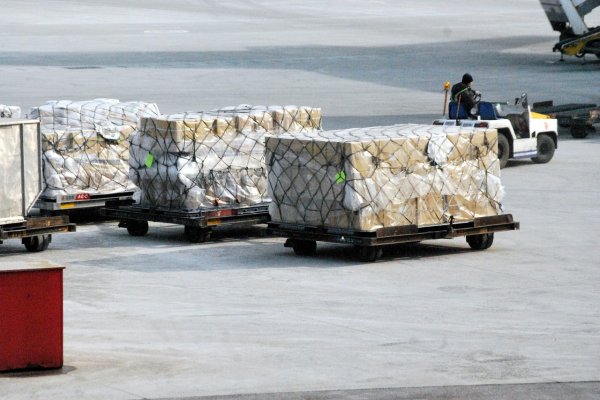
The Evolution of Third-Party Logistics in Modern Commerce
Third-party logistics (3PL) has become an indispensable component of global commerce, enabling businesses of all sizes to streamline their supply chain operations without maintaining costly infrastructure. As e-commerce continues to expand and consumer expectations for rapid delivery intensify, understanding the 3PL landscape has never been more critical for business success.
The modern 3PL industry encompasses everything from warehousing and inventory management to order fulfillment, shipping, and returns processing. Companies that leverage these services can focus on their core competencies while leaving complex logistics operations to specialized providers who possess the expertise, technology, and networks to execute efficiently.
The Biggest Players in the 3PL Industry
The global 3PL market is dominated by several major players who have established comprehensive networks spanning multiple continents. Understanding these industry leaders provides valuable insight into best practices and service capabilities available in the marketplace.
DHL Supply Chain
As one of the world's largest logistics providers, DHL Supply Chain operates in over 150 countries with more than 400 million square feet of warehouse space. Their extensive global network makes them particularly valuable for companies requiring international fulfillment capabilities. DHL excels in providing customized solutions across various industries, from automotive to healthcare, leveraging advanced technology platforms for inventory visibility and order management.
XPO Logistics
XPO Logistics has established itself as a technology-driven 3PL provider, offering sophisticated warehouse management systems and transportation solutions. With operations primarily focused in North America and Europe, XPO specializes in last-mile delivery services and less-than-truckload (LTL) shipping, making them an attractive option for e-commerce businesses seeking efficient final-mile solutions.
C.H. Robinson
C.H. Robinson stands out as one of the largest non-asset-based 3PL providers, focusing on freight brokerage and logistics services. Their global network connects shippers with carriers across various transportation modes, providing flexibility and competitive pricing through their extensive carrier relationships. Their technology platform, Navisphere, offers real-time visibility and analytics for supply chain optimization.
GEODIS
As a European-based logistics leader, GEODIS provides comprehensive 3PL services with particular strength in contract logistics and freight forwarding. Their acquisition strategy has expanded their global footprint significantly, making them a formidable competitor in both European and North American markets.
FedEx Supply Chain
Leveraging the trusted FedEx brand and transportation network, FedEx Supply Chain offers integrated warehousing and distribution services. Their particular advantage lies in seamless integration with FedEx's express shipping capabilities, providing end-to-end visibility and expedited fulfillment options.
Navigating Shipping from China with 3PL Partners
China remains the world's manufacturing powerhouse, and efficiently managing shipping from China has become essential for businesses sourcing products internationally. Working with experienced 3PL providers can dramatically simplify this complex process while reducing costs and transit times.
Understanding International Shipping Options
When shipping from China, businesses typically choose between several transportation methods, each with distinct advantages:
- Ocean freight: Most cost-effective for large volumes, with transit times ranging from 15-45 days depending on destination ports
- Air freight: Significantly faster (3-7 days) but more expensive, ideal for high-value or time-sensitive products
- Express shipping: Premium service offering 2-5 day delivery at the highest cost point
- Rail freight: An emerging option for Europe-bound shipments, offering a middle ground between ocean and air
The Role of 3PL in China Shipping
Experienced 3PL providers offer invaluable support throughout the China shipping process. They maintain relationships with freight forwarders, handle customs documentation, manage compliance requirements, and coordinate with Chinese suppliers. Many established 3PLs have offices or partnerships in major Chinese manufacturing regions, facilitating quality control inspections and shipment consolidation.
A competent 3PL partner can help navigate challenges such as changing tariff regulations, port congestion, and seasonal capacity constraints. By utilizing platforms like www.search3pl.com, businesses can identify providers with specific China shipping expertise and compare their service offerings to find the optimal partner for their needs.
Customs and Compliance Considerations
Successfully importing from China requires meticulous attention to customs procedures and documentation. Professional 3PL providers manage Harmonized System (HS) code classification, import duties calculation, and required certifications. They also stay current with evolving trade regulations, helping businesses maintain compliance and avoid costly delays or penalties.
Understanding 3PL Cost Per Pallet Pricing Structures
One of the most common questions businesses have when evaluating 3PL services concerns cost per pallet pricing. Understanding how 3PL providers structure their fees enables more accurate budgeting and meaningful provider comparisons.
Typical Pallet Storage Pricing Models
Most 3PL providers charge for pallet storage using one of several pricing approaches:
- Per pallet per month: Typically ranging from $8 to $25 per pallet monthly, depending on location, facility type, and contract volume
- Per cubic foot: Usually $0.40 to $0.85 per cubic foot monthly, beneficial when storing high-density products
- Per square foot: Generally $4 to $12 per square foot annually, more common in dedicated warehouse arrangements
- Tiered pricing: Volume discounts that reduce per-unit costs as storage quantity increases
Additional Fee Components
Beyond basic storage, 3PL pricing typically includes various service charges:
- Receiving fees: Costs for accepting and processing inbound shipments, usually $25-$50 per hour or per pallet
- Pick and pack fees: Charges for order fulfillment activities, typically $2-$8 per order plus per-item fees
- Handling fees: Special requirements for oversized, fragile, or hazardous materials
- Technology fees: Access to warehouse management systems and reporting tools
- Returns processing: Managing product returns and inventory restocking
Geographic Price Variations
Location significantly impacts 3PL cost per pallet pricing. Facilities in major metropolitan areas or coastal ports typically command premium rates due to higher real estate costs and labor expenses. However, these locations often provide faster shipping times to larger population centers, potentially offsetting storage costs through reduced transportation expenses.
Negotiating Favorable Pricing
Businesses can often negotiate better rates by committing to longer contract terms, guaranteeing minimum volumes, or accepting flex storage arrangements where exact pallet locations vary based on warehouse capacity. Understanding your specific storage and fulfillment patterns enables more strategic negotiations with potential 3PL partners.
SEO Strategies for 3PL Companies
In an increasingly digital marketplace, search engine optimization (SEO) has become crucial for 3PL providers seeking to attract new clients. Companies that implement effective SEO strategies gain significant competitive advantages in client acquisition and brand visibility.
Content Marketing for Logistics Services
Successful 3PL SEO strategies begin with comprehensive content that addresses potential clients' questions and pain points. This includes detailed service descriptions, industry-specific case studies, educational blog content, and resources that demonstrate expertise. By creating valuable content around topics like international shipping, warehouse management best practices, and supply chain optimization, 3PL companies establish themselves as thought leaders while improving search rankings.
Local SEO for Regional 3PL Providers
Many businesses prefer working with regional 3PL partners, making local SEO optimization particularly important. This includes claiming and optimizing Google Business Profile listings, building location-specific landing pages, and earning citations in industry directories. Platforms such as www.search3pl.com provide valuable backlinks and visibility for 3PL providers targeting specific geographic markets or industry verticals.
Technical SEO Considerations
3PL websites must prioritize technical SEO elements including fast page load speeds, mobile responsiveness, secure HTTPS protocols, and structured data markup. These factors directly impact search rankings while improving user experience for potential clients researching logistics solutions.
Building Authority Through Link Building
Establishing domain authority requires earning high-quality backlinks from reputable industry sources. 3PL companies should pursue guest posting opportunities on logistics publications, participate in industry associations, sponsor relevant events, and create shareable research or data that naturally attracts links.
Choosing the Right 3PL Partner
Selecting an appropriate 3PL provider requires careful evaluation of multiple factors beyond just pricing. Businesses should assess technological capabilities, geographic coverage, industry expertise, scalability potential, and cultural alignment. The decision significantly impacts operational efficiency, customer satisfaction, and ultimately, business growth.
Taking time to thoroughly research options, request detailed proposals, and conduct site visits ensures the partnership will deliver long-term value. Understanding the landscapes of major 3PL companies, international shipping complexities, cost structures, and how providers market themselves provides the foundation for making informed decisions that support strategic business objectives.
As supply chains continue evolving and consumer expectations grow more demanding, the right 3PL partnership becomes increasingly valuable. Whether you're a startup establishing initial logistics infrastructure or an established business seeking to optimize operations, understanding these fundamental aspects of third-party logistics positions you for sustainable success in competitive global markets.


