
Smart Fulfilment Solutions: Maximizing Efficiency and Minimizing Cost
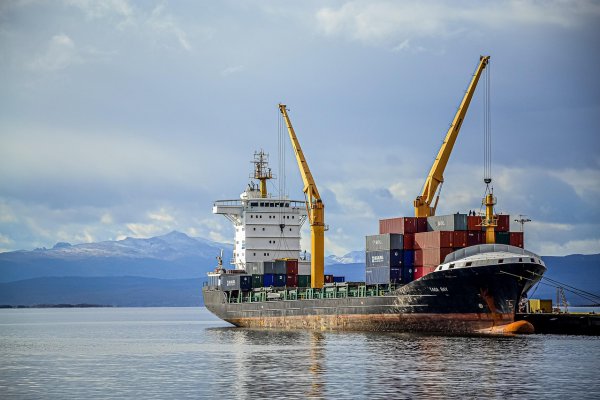
In today's competitive e-commerce landscape, efficient fulfilment operations can make or break a business. Whether you're a startup selling handcrafted goods or an established retailer managing thousands of SKUs, understanding the fundamentals of modern fulfilment strategies is essential for success. From optimizing warehouse space with innovative racking storage to implementing cross docking procedures and navigating the complexities of shipping from China, smart businesses are discovering new ways to reduce costs while improving customer satisfaction.
This comprehensive guide explores the key components of cost-effective fulfilment and how they work together to create a seamless supply chain that delivers results without breaking the bank.
Understanding Modern Fulfilment Operations
Fulfilment encompasses every step between receiving an order and delivering it to your customer's doorstep. This includes inventory management, storage, picking and packing, shipping, and returns processing. The efficiency of these operations directly impacts your bottom line, making it crucial to optimize each component of the fulfilment process.
Today's successful businesses recognize that fulfilment isn't just about moving boxes—it's about creating a strategic advantage through intelligent warehouse design, streamlined processes, and cost-effective shipping solutions. By understanding and implementing best practices across all fulfilment operations, companies can significantly reduce overhead while improving delivery times and customer satisfaction.
Racking Storage: The Foundation of Efficient Warehousing
One of the most critical yet often overlooked aspects of fulfilment is warehouse storage optimization. Racking storage systems form the backbone of any efficient warehouse operation, determining how much inventory you can store and how quickly your team can access it.
Types of Racking Storage Systems
Different businesses require different storage solutions based on their product types, volume, and turnover rates. Here are the most common racking storage systems used in modern fulfilment:
- Selective Pallet Racking: The most common and versatile system, offering direct access to every pallet
- Drive-In Racking: High-density storage ideal for large quantities of similar products
- Push-Back Racking: Allows for deeper storage while maintaining good selectivity
- Cantilever Racking: Perfect for long, bulky items like furniture or building materials
- Carton Flow Racking: Gravity-fed systems ideal for high-turnover picking operations
Maximizing Vertical Space
Many warehouses fail to utilize their full vertical capacity, leaving valuable cubic footage unused. Vertical racking storage solutions can increase capacity by 50% or more without expanding your warehouse footprint. This approach not only reduces rental costs per square foot but also improves picking efficiency when properly organized with your fastest-moving items at the most accessible heights.
Cost Benefits of Optimized Racking
Investing in proper racking storage systems delivers multiple financial benefits beyond just storing more products. Well-designed racking reduces labor costs by minimizing travel time within the warehouse, decreases damage to inventory through proper support and organization, and allows for better inventory rotation—critical for businesses dealing with perishable or time-sensitive products. The initial investment in quality racking typically pays for itself within 18-24 months through these operational efficiencies.
Cross Docking: Speed Meets Efficiency
While traditional warehousing involves receiving products, storing them, and later retrieving them for shipment, cross docking eliminates the storage step entirely. This innovative approach can dramatically reduce handling costs and accelerate delivery times, making it an increasingly popular strategy for modern fulfilment operations.
How Cross Docking Works
In a cross docking operation, incoming shipments are immediately transferred to outbound transportation with minimal or no storage time. Products arrive at the dock, are sorted and consolidated based on their final destinations, and then loaded directly onto outbound trucks. This process typically occurs within 24 hours, and often within just a few hours.
The process requires precise coordination and timing but delivers substantial benefits when executed properly. Products spend less time in the warehouse, reducing storage costs and the risk of damage or obsolescence. Additionally, cross docking enables faster order fulfilment, which is increasingly important in an era where customers expect rapid delivery.
When to Implement Cross Docking
Cross docking isn't suitable for every business or product type. It works best for:
- High-velocity products with predictable demand
- Pre-packaged, pre-labeled items requiring no additional processing
- Perishable goods requiring minimal handling time
- Products sourced from multiple suppliers being consolidated for a single customer
- Businesses with reliable transportation networks and scheduling
Cost Savings Through Cross Docking
The financial advantages of cross docking are compelling. Companies typically reduce warehousing costs by 20-30% by eliminating storage requirements and associated handling. Labor costs decrease as products are touched fewer times, and the risk of inventory obsolescence virtually disappears. For businesses shipping from China or other distant suppliers, cross docking at strategic distribution points can optimize the balance between bulk shipping economies and rapid final delivery.
Low-Cost Fulfilment Strategies That Work
Reducing fulfilment costs without compromising service quality requires a multifaceted approach. Smart businesses combine technology, strategic partnerships, and operational excellence to achieve sustainable cost advantages.
Leveraging Technology for Efficiency
Modern warehouse management systems (WMS) provide real-time visibility into inventory levels, automate picking routes, and optimize space utilization. These systems typically deliver ROI within the first year through reduced errors, improved labor productivity, and better inventory accuracy. Even basic automation tools like barcode scanning can reduce picking errors by over 60%, eliminating costly returns and reshipping expenses.
Strategic 3PL Partnerships
Many growing businesses find that partnering with third-party logistics providers offers significant cost advantages over operating their own warehouses. 3PLs provide access to established infrastructure, experienced personnel, and economies of scale that would be difficult to achieve independently. Using resources like www.search3pl.com allows businesses to compare multiple providers and find the best fit for their specific needs and budget constraints.
Zone Skipping and Regional Distribution
Instead of shipping individual packages across the country, zone skipping involves consolidating orders destined for the same region and shipping them in bulk to a distribution point closer to the final destination. This hybrid approach combines the cost efficiency of bulk shipping with the speed of local delivery, often reducing shipping costs by 15-25% while maintaining fast delivery times.
Shipping from China: Navigating International Fulfilment
For many businesses, particularly e-commerce retailers, shipping from China represents both an opportunity and a challenge. China's manufacturing capabilities offer competitive pricing, but international shipping introduces complexity, lead times, and potential pitfalls that must be carefully managed.
Understanding Shipping Options from China
Businesses have several options when shipping from China, each with distinct cost and time trade-offs:
- Sea Freight: Most economical for large volumes, typically taking 20-45 days depending on destination ports
- Air Freight: Faster (5-10 days) but significantly more expensive, suitable for high-value or time-sensitive products
- Express Courier: Fastest option (3-5 days) but most expensive, used primarily for samples or urgent shipments
- Rail Freight: Emerging option offering middle-ground pricing and transit times for shipments to Europe and Central Asia
Optimizing Costs for China Shipments
The key to cost-effective shipping from China lies in proper planning and consolidation. Full Container Load (FCL) shipments offer the best per-unit costs, making it advantageous to plan larger, less frequent orders rather than multiple small shipments. For businesses without sufficient volume for FCL, Less than Container Load (LCL) consolidation with other shippers provides a middle ground, though it requires more coordination and typically involves longer transit times.
Managing Customs and Compliance
International shipping introduces customs clearance requirements that can delay shipments and add unexpected costs if not properly managed. Working with experienced freight forwarders or customs brokers ensures proper documentation, accurate tariff classification, and compliance with import regulations. These professionals can also advise on strategies like bonded warehousing or foreign trade zones that can defer or reduce duty payments.
Integrating China Sourcing with Domestic Fulfilment
Many successful businesses combine China sourcing with strategic domestic warehousing to balance cost and speed. Products ship from China in bulk via economical sea freight to a U.S. warehouse equipped with efficient racking storage systems. From there, they're fulfilled quickly to domestic customers, combining low product costs with fast delivery—the best of both worlds.
Some businesses even implement cross docking strategies for China shipments, receiving containers at port facilities and immediately breaking them down for distribution to regional fulfilment centers, minimizing storage time and maximizing delivery speed.
Creating Your Integrated Fulfilment Strategy
The most successful fulfilment operations don't implement these strategies in isolation—they create integrated systems where each component supports and enhances the others. Your racking storage design should facilitate cross docking operations when appropriate. Your China sourcing strategy should account for domestic storage and shipping requirements. Your technology investments should support all aspects of the operation, from receiving to final mile delivery.
Begin by analyzing your current operations to identify the biggest cost drivers and inefficiencies. For many businesses, warehouse space utilization represents the easiest opportunity for improvement through better racking systems. Others may find that their shipping costs could be dramatically reduced through strategic cross docking or improved China sourcing practices.
Measuring Success and Continuous Improvement
Establish clear metrics to track the performance of your fulfilment operations:
- Cost per order fulfilled
- Inventory turnover rates
- Order accuracy percentage
- Average order processing time
- Warehouse space utilization
- Shipping cost as percentage of order value
Regular review of these metrics helps identify trends and opportunities for further optimization. The best fulfilment operations treat efficiency as an ongoing journey rather than a destination, continuously seeking incremental improvements that compound into significant competitive advantages.
Conclusion: Building Sustainable Fulfilment Excellence
Effective fulfilment requires balancing multiple competing priorities—cost, speed, accuracy, and flexibility. By implementing smart racking storage solutions, leveraging cross docking where appropriate, maintaining cost discipline, and strategically managing China sourcing, businesses can create fulfilment operations that support growth while protecting margins.
Whether you're building your own warehouse infrastructure or partnering with third-party providers through platforms like www.search3pl.com, the principles remain the same: optimize space utilization, minimize unnecessary handling, consolidate shipments for efficiency, and continuously measure and improve performance.
The investment in building these capabilities pays dividends not just in reduced costs but in improved customer satisfaction, greater operational flexibility, and the foundation for sustainable business growth. In an increasingly competitive marketplace, excellence in fulfilment operations isn't optional—it's essential for businesses that want to thrive.


