
D2C Services: Southampton Storage Solutions
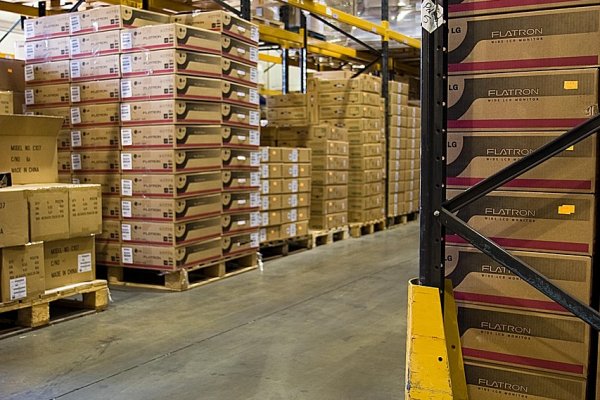
The direct-to-consumer (D2C) revolution has fundamentally transformed how businesses approach logistics and fulfilment. For Shopify merchants and online retailers, selecting the right storage solution isn't merely about finding warehouse space—it's about partnering with a service provider that understands the unique demands of ecommerce operations. Southampton, with its strategic location and robust logistics infrastructure, has emerged as a key hub for D2C businesses seeking scalable storage solutions. This comprehensive guide explores how to compare services effectively, ensuring your business makes informed decisions about racking storage and fulfilment partnerships.
Understanding D2C Logistics Requirements
Direct-to-consumer businesses operate in a fundamentally different paradigm compared to traditional B2B wholesale models. The demands are immediate, the expectations are high, and the margin for error is minimal. When comparing storage services for your Shopify store, understanding these unique requirements becomes paramount.
Speed and Accuracy Take Priority
Modern consumers expect their orders to arrive quickly and correctly. Same-day dispatch windows have become standard rather than exceptional, placing enormous pressure on fulfilment operations. Your racking storage solution must facilitate rapid picking processes, with inventory organized for maximum efficiency rather than maximum space utilization alone.
When evaluating Southampton-based warehouses, consider how their racking systems support quick order processing. Adjustable pallet racking, flow racking, and pick modules each offer distinct advantages depending on your product range and order volumes. The best providers understand that D2C operations require a fundamentally different approach to storage optimization.
Inventory Visibility and Integration
Shopify stores thrive on real-time inventory accuracy. Your storage partner must offer seamless integration with your ecommerce platform, ensuring stock levels update automatically as orders are fulfilled. This connectivity prevents overselling, reduces customer service issues, and enables smarter inventory planning.
When comparing services, inquire specifically about:
- Native Shopify integration capabilities
- Real-time inventory synchronization frequency
- Multi-channel inventory management support
- Reporting and analytics dashboard features
- API accessibility for custom integrations
Southampton's Strategic Advantages for D2C Operations
Geography matters significantly in logistics. Southampton's position on the south coast of England offers distinct advantages for D2C businesses targeting UK and European markets. Understanding these benefits helps contextualize service comparisons and pricing structures.
Transportation Infrastructure
Southampton benefits from exceptional transport connectivity, with direct access to motorway networks, rail freight terminals, and one of Europe's busiest container ports. For D2C businesses, this translates to competitive shipping rates and flexible carrier options. When comparing racking storage facilities in the region, those positioned near these transport nodes typically offer faster despatch times and more economical shipping costs.
Skilled Logistics Workforce
The region's longstanding history as a logistics hub means Southampton boasts a deep pool of experienced warehouse professionals. This expertise becomes particularly valuable for D2C operations requiring specialized handling, such as gift wrapping, custom packaging, or returns processing. Service providers in established logistics areas typically demonstrate lower error rates and higher operational maturity.
Comparing Racking Storage Systems for Shopify Inventory
Not all racking storage solutions suit D2C requirements equally. Understanding the strengths and limitations of different systems enables more informed service comparisons.
Selective Pallet Racking
The most common warehouse storage system, selective pallet racking provides direct access to every pallet position. For Shopify stores with diverse product ranges and moderate stock levels per SKU, this system offers excellent flexibility. Comparing service providers on this basis means evaluating aisle widths, clear heights, and overall capacity utilization strategies.
Drive-In and Push-Back Racking
High-density storage systems like drive-in racking maximize space utilization but sacrifice individual SKU accessibility. These systems suit D2C businesses with limited product ranges and high volume storage requirements. When comparing Southampton facilities offering these systems, consider how they balance space efficiency against picking speed requirements.
Pick Modules and Mezzanine Solutions
For fast-moving Shopify inventory, pick modules combining shelving at ground level with mezzanine storage above create highly efficient picking environments. These purpose-built solutions significantly reduce order processing times. Service comparisons should evaluate the sophistication of these systems and their suitability for your specific product dimensions and order profiles.
Key Service Comparison Criteria for D2C Fulfilment
Beyond physical infrastructure, multiple service dimensions require careful evaluation when selecting a Southampton storage partner for your Shopify business.
Pricing Structures and Hidden Costs
Storage pricing models vary considerably between providers. Common approaches include:
- Per pallet pricing: Fixed monthly rate per pallet stored
- Cubic footage pricing: Charged based on actual space occupied
- Bin or location pricing: Fixed cost per storage location used
- Hybrid models: Combining storage fees with pick, pack, and despatch charges
When comparing services, request detailed breakdowns including minimum commitments, seasonal rate variations, and ancillary charges for services like returns processing, quality inspections, or special packaging requirements. Platforms like www.search3pl.com provide valuable frameworks for standardizing these comparisons across multiple providers.
Technology and System Capabilities
Modern D2C operations depend heavily on warehouse management systems (WMS) that integrate seamlessly with Shopify. When comparing Southampton facilities, evaluate their technology stack for:
- Cloud-based accessibility and uptime reliability
- Mobile picking applications reducing error rates
- Barcode scanning and verification processes
- Automated reorder point notifications
- Customer communication capabilities including tracking updates
The sophistication of these systems often correlates directly with fulfilment accuracy and customer satisfaction scores.
Scalability and Flexibility
D2C businesses experience significant seasonal fluctuations and growth trajectories that traditional B2B operations rarely encounter. Your storage partner must accommodate these variations without penalizing growth or seasonal downturns. Service comparisons should specifically address how providers handle capacity increases during peak seasons, minimum storage commitments, and contract flexibility.
Value-Added Services Beyond Basic Storage
Comprehensive D2C fulfilment extends well beyond storing inventory and shipping orders. When comparing Southampton providers, consider which value-added services align with your business model.
Returns Management
E-commerce returns rates significantly exceed traditional retail, with some categories seeing return rates above 30%. Efficient returns processing that quickly returns saleable inventory to available stock directly impacts profitability. Evaluate how potential partners handle returns inspection, restocking, and disposal of unsaleable items.
Kitting and Custom Packaging
Many successful Shopify brands differentiate through premium unboxing experiences. Services offering kitting, custom inserts, promotional material inclusion, and branded packaging enable this differentiation without requiring separate assembly operations. When comparing racking storage facilities, inquire about dedicated areas for these value-added activities and associated costs.
Inventory Management Support
Sophisticated 3PL providers offer inventory advisory services, analyzing sales data to recommend optimal stock levels, identify slow-moving inventory, and forecast replenishment requirements. These consultative services transform storage partners into strategic advisors supporting business growth.
Making Your Service Comparison Decision
Selecting the right Southampton storage partner for your D2C Shopify business requires balancing multiple factors against your specific operational requirements and growth objectives.
Structured Evaluation Process
Develop a systematic approach to service comparison:
- Define your non-negotiable requirements (Shopify integration, minimum order accuracy rates, etc.)
- Establish your typical and peak order volumes to inform capacity requirements
- Request detailed proposals from multiple Southampton providers
- Normalize pricing across different models for accurate comparison
- Visit facilities personally to assess operations and culture fit
- Request references from similar-sized D2C clients
- Review service level agreements carefully, noting penalty provisions and performance guarantees
Trial Periods and Performance Reviews
Many forward-thinking providers offer trial periods or phased implementations allowing you to evaluate service quality before full commitment. These arrangements reduce switching risk and enable evidence-based decision-making. Additionally, establish regular performance review cadences with your chosen partner, using data-driven metrics to ensure ongoing service quality.
Conclusion: Strategic Partnership Over Transactional Relationship
Comparing Southampton racking storage services for your D2C Shopify business ultimately involves looking beyond immediate costs to identify partners capable of supporting long-term growth. The right provider combines sophisticated infrastructure, proven Shopify integration, competitive pricing, and consultative expertise that evolves with your business.
Southampton's strategic advantages as a logistics hub make it an excellent location for D2C operations targeting UK and European markets. However, location alone doesn't determine success—the specific capabilities, cultural alignment, and technological sophistication of your chosen partner prove equally critical.
By systematically evaluating services across the dimensions outlined in this guide, you'll identify storage solutions that don't merely house inventory but actively contribute to customer satisfaction, operational efficiency, and business growth. Resources like www.search3pl.com streamline this comparison process, enabling informed decisions that position your Shopify store for sustainable success in the competitive D2C marketplace.
The investment in thorough service comparison pays dividends through reduced operational headaches, improved customer experiences, and the confidence that your logistics infrastructure scales seamlessly with your ambitions. In the fast-paced world of direct-to-consumer commerce, this foundation proves invaluable.


