
Comparing 3PL vs 4PL Logistics Solutions
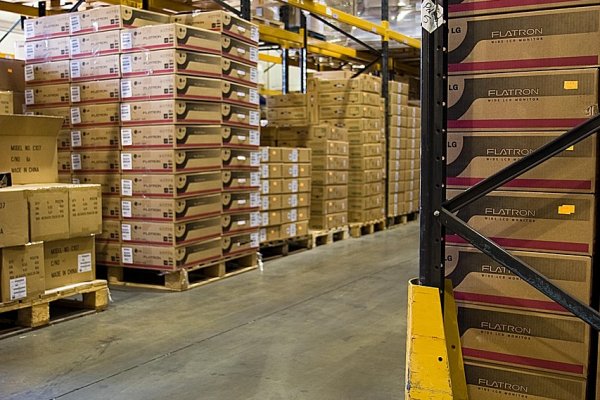
The logistics landscape has evolved dramatically over the past decade, with ecommerce businesses facing increasingly complex challenges in managing their supply chains. Whether you're running a growing online store on Magento or scaling your business with products from China, choosing the right fulfillment partner can make or break your operation. Understanding the differences between third-party logistics (3PL) and fourth-party logistics (4PL) providers, along with their capabilities in inventory management and global shipping, is essential for making an informed decision.
Understanding Third-Party Logistics (3PL) Providers
A 3PL provider is a company that offers outsourced logistics services to businesses, handling everything from warehousing and inventory storage to order fulfillment and shipping. These providers own and operate physical warehouses, employ staff to manage operations, and maintain relationships with carriers to facilitate deliveries to end customers.
The core services typically offered by 3PL providers include:
- Warehouse storage and management
- Order picking, packing, and shipping
- Inventory tracking and reporting
- Returns processing and management
- Kitting and custom packaging services
- Integration with ecommerce platforms like Magento
For most small to medium-sized ecommerce businesses, a 3PL represents the most practical and cost-effective solution. They provide the infrastructure and expertise needed to scale operations without the capital investment required to build your own fulfillment center.
The Evolution to 4PL: A Higher Level of Logistics Management
While 3PLs focus on operational execution, 4PL providers take a more strategic, managerial approach to your entire supply chain. A 4PL acts as a single point of contact that oversees and manages all aspects of your logistics operations, often coordinating multiple 3PLs and other service providers on your behalf.
Key Differences Between 3PL and 4PL
The distinction between these two logistics models is significant:
- Asset Ownership: 3PLs own warehouses and equipment, while 4PLs typically don't own physical assets but manage logistics networks
- Scope of Services: 3PLs execute fulfillment tasks, whereas 4PLs design, optimize, and manage entire supply chain strategies
- Integration Level: 4PLs often become deeply embedded in your business operations, functioning almost as an extension of your company
- Cost Structure: 3PL pricing is typically transaction-based, while 4PLs often charge management fees or take a percentage of logistics savings
- Scalability: 4PLs can more easily scale across regions and providers, while 3PLs are limited by their physical infrastructure
For most businesses just starting to outsource fulfillment, a 3PL is the logical choice. However, as companies grow and their supply chains become more complex—especially when dealing with international suppliers and multiple sales channels—the strategic oversight of a 4PL can provide significant value.
Inventory Management: The Foundation of Fulfillment Success
Regardless of whether you choose a 3PL or 4PL, inventory management capabilities should be at the top of your evaluation criteria. Poor inventory management leads to stockouts, overselling, excess storage costs, and ultimately, disappointed customers.
Essential Inventory Management Features
When comparing logistics providers, look for these critical inventory management capabilities:
- Real-Time Visibility: Access to up-to-the-minute inventory levels across all storage locations
- Multi-Channel Synchronization: Automatic inventory updates across your website, marketplaces, and sales platforms
- Lot and Serial Number Tracking: Essential for products with expiration dates or warranty requirements
- Forecasting Tools: Data-driven insights to predict demand and optimize reorder points
- Reporting and Analytics: Detailed insights into inventory turnover, aging stock, and movement patterns
- Automated Reorder Alerts: Notifications when stock levels reach predetermined thresholds
Modern inventory management systems use sophisticated algorithms to help businesses maintain optimal stock levels, reducing both carrying costs and the risk of stockouts. When evaluating potential partners through platforms like www.search3pl.com, request demonstrations of their inventory management dashboards and ask specific questions about their technology capabilities.
Magento Integration: Seamless Ecommerce Fulfillment
For businesses operating on Magento, one of the world's most popular ecommerce platforms, integration capabilities should be a non-negotiable requirement when selecting a logistics provider. A proper integration eliminates manual data entry, reduces errors, and ensures your customers receive accurate shipping information.
What to Look for in Magento-3PL Integration
The best 3PL providers offer robust Magento integration that includes:
- Automatic Order Transfer: Orders flow directly from Magento to the fulfillment center without manual intervention
- Two-Way Inventory Sync: Real-time inventory updates flow back to your Magento store, preventing overselling
- Tracking Number Updates: Shipping information automatically populates in customer accounts and triggers notification emails
- Custom Business Rules: Ability to set shipping rules, packaging preferences, and fulfillment priorities
- Multi-Warehouse Support: For businesses using multiple fulfillment centers, intelligent order routing based on geography
When comparing 3PL options, ask whether they use a pre-built Magento extension or require custom API development. Pre-built integrations are typically faster to implement and more cost-effective, though custom solutions may offer greater flexibility for businesses with unique requirements.
The Impact of Poor Integration
Operating without proper integration between your Magento store and fulfillment provider creates numerous problems: orders must be manually entered (increasing labor costs and error rates), inventory discrepancies lead to overselling, and customers don't receive timely shipping updates. These inefficiencies can damage your brand reputation and erode profit margins.
Shipping from China: Navigating International Logistics
For many ecommerce businesses, shipping from China represents both an opportunity and a challenge. China remains the manufacturing hub for countless products, but getting inventory from Chinese factories to your customers efficiently requires careful planning and the right logistics partner.
3PL Solutions for China-Based Inventory
When evaluating 3PLs for handling Chinese imports, consider these approaches:
- Direct-to-Consumer from China: Some 3PLs operate fulfillment centers in China, shipping directly to international customers (longer transit times but lower costs)
- Freight Forwarding Services: The 3PL manages shipping containers from China to domestic warehouses where inventory is stored and fulfilled
- Hybrid Models: Fast-moving items stored domestically while slower products ship direct from China
- Customs and Compliance: Experienced 3PLs handle documentation, duties, and regulatory requirements
The logistics of importing from China involve multiple considerations: freight costs (ocean vs. air), transit times, customs clearance, tariffs and duties, minimum order quantities, and quality control. A knowledgeable 3PL or 4PL partner can navigate these complexities, often leveraging relationships with freight forwarders and customs brokers to streamline the process.
Cost Considerations for China Shipping
When calculating the total landed cost of products from China, factor in:
- Product cost from manufacturer
- Freight charges (ocean or air)
- Customs duties and taxes
- Port fees and handling charges
- Domestic transportation to warehouse
- Storage and fulfillment costs
Many businesses are surprised to find that the product cost represents only 50-60% of the total landed cost. Working with experienced logistics providers helps optimize these expenses through consolidation strategies, freight negotiation, and efficient customs processes.
How to Compare 3PL Providers Effectively
With thousands of 3PL providers in the marketplace, systematic comparison is essential. Using a specialized directory like www.search3pl.com can streamline this process by providing structured information about providers' capabilities, specializations, and pricing models.
Key Evaluation Criteria
When comparing potential logistics partners, assess them across these dimensions:
- Technology Platform: User interface quality, integration capabilities, reporting features, and mobile accessibility
- Geographic Coverage: Warehouse locations, shipping zones, and international capabilities
- Industry Specialization: Experience with your product types, regulatory requirements, and special handling needs
- Pricing Structure: Transparency, minimum volumes, setup fees, and contract terms
- Scalability: Ability to grow with your business and handle seasonal volume fluctuations
- Customer Service: Responsiveness, dedicated account management, and problem resolution capabilities
- References and Reviews: Feedback from current clients, especially those with similar business models
Questions to Ask Potential 3PL Partners
During the evaluation process, ask these critical questions:
- What is your average order accuracy rate?
- What are your standard fulfillment timeframes (order receipt to shipment)?
- How do you handle peak season volume increases?
- What happens if inventory is damaged or lost in your facility?
- Can you accommodate special packaging or kitting requests?
- What reporting and analytics are available, and how frequently are they updated?
- What is your process for handling returns?
- Do you have experience with my specific ecommerce platform?
Making the Right Choice for Your Business
The decision between 3PL and 4PL providers, and the specific partner you choose, should align with your business stage, growth trajectory, and operational complexity. Small to medium businesses with straightforward fulfillment needs typically benefit most from a reliable 3PL with strong technology integration. Larger enterprises managing complex, multi-channel supply chains across multiple regions may find value in the strategic oversight a 4PL provides.
Regardless of which path you choose, prioritize partners who offer transparent pricing, robust technology platforms, proven experience with your ecommerce platform (especially if you're on Magento), and demonstrable expertise in your specific supply chain challenges—whether that's managing inventory from China, handling specialized products, or scaling rapidly during peak seasons.
The logistics landscape will continue evolving, with technology playing an increasingly central role in inventory management, order fulfillment, and supply chain visibility. By choosing a forward-thinking partner and maintaining flexibility in your logistics strategy, you'll position your business for sustainable growth in an increasingly competitive ecommerce marketplace.


