Finding the Perfect Warehouse for Your Growing E-commerce Business
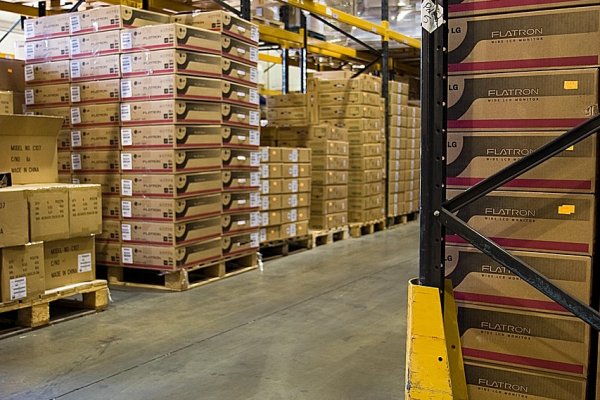
The decision to secure a new warehouse represents a pivotal milestone in any e-commerce business's growth journey. Whether you're scaling beyond your current capacity, transitioning from a fulfillment service to self-management, or launching a new fulfillment operation, selecting the right warehouse facility requires careful consideration of multiple factors that will impact your business for years to come.
Understanding Your Fulfillment Model and Warehouse Requirements
Before beginning your warehouse search, it's crucial to clarify your fulfillment strategy. For Shopify merchants considering Fulfilled by Merchant (FBM) operations, the warehouse becomes the nerve center of your entire operation. Unlike Amazon's FBA program, where inventory is managed within Amazon's ecosystem, FBM puts you in complete control of your inventory, shipping, and customer experience.
This autonomy comes with significant advantages. You maintain direct relationships with customers, control packaging and branding, and can offer flexible shipping options. However, it also means your warehouse must be equipped to handle everything from receiving and storage to picking, packing, and shipping orders efficiently.
Key Factors in Warehouse Selection
When evaluating potential warehouse locations, consider these essential elements:
- Geographic location relative to your customer base and shipping hubs
- Size and scalability to accommodate current inventory plus growth projections
- Infrastructure capabilities including loading docks, ceiling heights, and floor strength
- Technology readiness with reliable internet connectivity and electrical capacity
- Labor market availability in the surrounding area
- Proximity to transportation networks including highways, airports, and ports
- Cost considerations balancing rent, utilities, and operational expenses
Integrating Shopify with Your Warehouse Operations
For e-commerce businesses operating on Shopify, seamless integration between your online store and warehouse operations is non-negotiable. The platform's robust ecosystem offers numerous tools and applications designed to bridge the gap between digital storefronts and physical fulfillment operations.
When setting up your new warehouse, prioritize implementing a warehouse management system (WMS) that integrates directly with Shopify. This integration enables real-time inventory synchronization, automatic order routing, and streamlined fulfillment workflows. As orders flow from your Shopify store, they should automatically appear in your warehouse system with all necessary customer information, product details, and shipping requirements.
Essential Shopify Integrations for Warehouse Success
Modern Shopify merchants leverage various integration tools to optimize warehouse operations. Inventory management apps sync stock levels across multiple sales channels, preventing overselling and stockouts. Shipping management platforms automatically select the most cost-effective carriers and generate shipping labels. Barcode scanning applications enable accurate picking and packing processes that reduce errors and speed up fulfillment.
Platforms like www.search3pl.com can help you compare different fulfillment solutions and technologies that work seamlessly with Shopify, ensuring you make informed decisions about your warehouse technology stack.
Building and Training Your Warehouse Workforce
A warehouse is only as effective as the team operating it. Workforce training represents one of the most critical investments when establishing a new fulfillment center. Your team needs comprehensive knowledge of your inventory, systems, safety protocols, and quality standards.
Developing a Comprehensive Training Program
Begin with a structured onboarding process that introduces new employees to your company culture, safety requirements, and basic warehouse operations. Create role-specific training modules for different positions:
- Receiving staff need training in vendor relations, quality inspection, and inventory intake procedures
- Putaway teams must understand your storage systems, location logic, and inventory organization
- Pickers require efficiency training, accuracy standards, and technology use
- Packers need expertise in packaging standards, branding requirements, and damage prevention
- Shipping personnel must master carrier requirements, documentation, and shipping optimization
Invest in ongoing training programs that keep your team updated on new procedures, technology updates, and seasonal preparation. Cross-training employees across multiple functions creates operational flexibility and helps staff understand how their roles impact the entire fulfillment process.
Safety and Compliance Training
Never underestimate the importance of safety training in warehouse operations. Proper training in equipment operation, ergonomic practices, and emergency procedures protects your team and reduces costly workplace accidents. Regular safety refreshers and compliance updates ensure your operation meets all regulatory requirements while maintaining a culture of safety consciousness.
Implementing Robust Inventory Management Systems
Effective inventory management distinguishes successful warehouses from struggling operations. For FBM merchants handling their own fulfillment, accurate inventory tracking directly impacts customer satisfaction, cash flow, and operational efficiency.
Choosing the Right Inventory Management Solution
Modern inventory management systems offer far more than simple stock counting. They provide real-time visibility into inventory levels, locations, and movement throughout your warehouse. When selecting a system for your new facility, prioritize solutions that offer:
- Real-time synchronization with Shopify and other sales channels
- Multi-location tracking within your warehouse
- Automated reorder point notifications
- Lot and serial number tracking for compliance
- Reporting and analytics capabilities
- Mobile device compatibility for on-floor access
The right inventory management system becomes the foundation of your warehouse operations, influencing everything from purchasing decisions to customer communications about product availability.
Inventory Organization Strategies
Physical inventory organization significantly impacts fulfillment speed and accuracy. Implement proven strategies such as ABC analysis, which positions fast-moving items in easily accessible locations while slower-moving inventory occupies less premium space. Consider implementing dedicated picking zones, bulk storage areas, and return processing sections to optimize workflow.
Barcode or RFID technology should be implemented from day one, enabling accurate tracking of inventory movement and reducing human error. These systems integrate with your WMS to provide real-time location data and streamline cycle counting procedures.
Optimizing FBM Operations in Your New Warehouse
The Fulfilled by Merchant model demands operational excellence across every fulfillment stage. Your new warehouse must be designed to meet the speed and accuracy expectations that modern e-commerce customers demand.
Order Processing Efficiency
Develop streamlined workflows that minimize the time between order receipt and shipment. Batch picking strategies for multiple orders, zone picking for large facilities, and wave picking for time-sensitive shipments all contribute to faster fulfillment. Your Shopify integration should automatically prioritize orders based on shipping deadlines and customer expectations.
Quality control checkpoints throughout the fulfillment process prevent errors before they reach customers. Implement verification steps at picking, packing, and shipping stages to maintain accuracy rates above 99.5%.
Packaging and Branding Excellence
One significant advantage of FBM over marketplace fulfillment is complete control over the unboxing experience. Your warehouse should maintain consistent packaging standards that reflect your brand identity. Train staff on proper packaging techniques that balance protection, presentation, and cost-effectiveness.
Technology Infrastructure and Systems Integration
Modern warehouse operations depend on reliable technology infrastructure. Your new facility requires robust internet connectivity, sufficient electrical capacity for equipment and systems, and backup power solutions to prevent disruptions during outages.
Consider implementing warehouse automation appropriate for your scale and budget. Conveyor systems, automated sorting equipment, and robotic assistance can dramatically improve efficiency as your operation grows. Even basic automation like label printers, barcode scanners, and mobile devices significantly enhance productivity.
Data Analytics and Continuous Improvement
Leverage data from your integrated systems to drive continuous improvement. Track key performance indicators including order accuracy, fulfillment speed, inventory turnover, and labor productivity. Regular analysis of these metrics identifies bottlenecks, optimization opportunities, and training needs.
Resources like www.search3pl.com provide valuable benchmarking data to compare your performance against industry standards and identify areas for improvement.
Conclusion: Setting Your Warehouse Up for Long-term Success
Finding and establishing a new warehouse represents a significant investment in your e-commerce future. By carefully considering your fulfillment model, prioritizing Shopify integration, investing in comprehensive workforce training, and implementing robust inventory management systems, you create the foundation for sustainable growth.
The most successful warehouse operations view their facility as a dynamic asset that evolves with business needs. Regular assessment of processes, technology, and team capabilities ensures your warehouse continues meeting customer expectations while supporting your business objectives. Whether you're managing FBM operations for your Shopify store or expanding your fulfillment capacity, the right warehouse setup positions your business for long-term competitive advantage in the demanding e-commerce landscape.