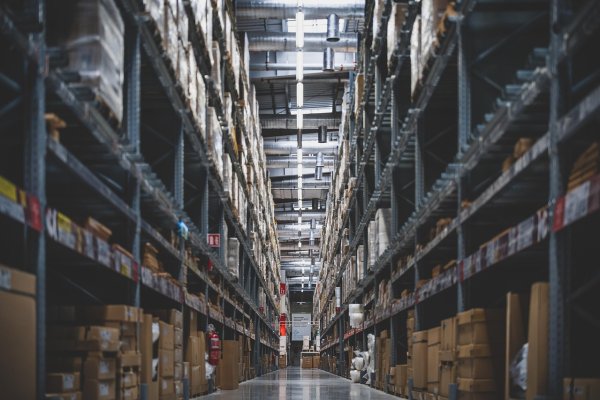
Price Comparison Revolution: The Hidden Truth About Storage
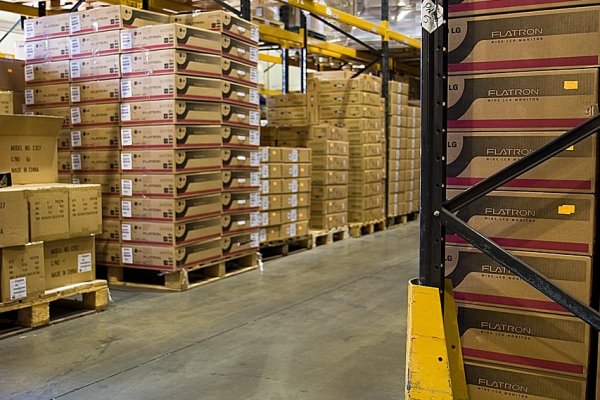
In today's hyper-competitive logistics landscape, businesses are discovering that effective price comparison isn't just about finding the cheapest option—it's about understanding the true value behind every pound spent on warehouse infrastructure. From sophisticated racking storage systems to the sustainability initiatives transforming cities like Bristol, the way companies approach cost analysis is undergoing a dramatic transformation.
The Real Cost of Racking Storage: Beyond the Price Tag
When businesses evaluate racking storage solutions, the sticker price represents merely the tip of the iceberg. True price comparison demands a comprehensive understanding of total cost of ownership, operational efficiency, and long-term scalability.
Understanding Racking Storage Investment
Modern warehouse racking systems range dramatically in price, from basic selective pallet racking starting at £50 per pallet position to sophisticated automated storage and retrieval systems (ASRS) costing hundreds of thousands of pounds. However, focusing solely on upfront costs can lead to expensive mistakes.
- Selective Pallet Racking: £50-£150 per pallet position, ideal for businesses requiring direct access to every pallet
- Drive-In Racking: £200-£400 per pallet position, maximizing density for similar SKUs
- Push-Back Systems: £300-£600 per pallet position, offering high-density storage with improved selectivity
- Mobile Racking: £800-£1,500 per pallet position, perfect for space-constrained facilities
- Automated Systems: £2,000+ per pallet position, delivering maximum efficiency and throughput
Effective price comparison requires calculating the cost per cubic meter utilized rather than simple cost per unit. A more expensive system that maximizes vertical space and improves picking efficiency may deliver superior ROI within 18-24 months.
Hidden Costs That Impact True Value
Savvy businesses conducting thorough price comparisons examine factors that dramatically affect total expenditure over a system's 15-20 year lifespan:
- Installation complexity: Labor costs can add 20-40% to the initial investment
- Maintenance requirements: Annual inspections and repairs typically cost 2-5% of system value
- Energy consumption: Climate control and lighting for different configurations vary significantly
- Labor efficiency: Poor racking design can increase picking time by 30-50%
- Flexibility and reconfiguration: Modular systems command premium prices but reduce future adaptation costs
Amazon's Price Comparison Mastery: Lessons for Warehouse Operations
Amazon has revolutionized price comparison methodology, and their approach extends far beyond consumer-facing algorithms. The e-commerce giant's warehouse strategy offers valuable insights for businesses evaluating storage solutions.
The Amazon Effect on Storage Pricing
Amazon's fulfillment network operates on principles of ruthless efficiency and constant optimization. The company doesn't simply compare prices—they analyze performance metrics across hundreds of variables to determine true value. Their Fulfillment by Amazon (FBA) pricing structure reflects this sophisticated approach:
FBA storage fees in the UK vary seasonally, ranging from £0.48 to £0.69 per cubic foot for standard items during non-peak months, escalating to £0.96 during October-December. This dynamic pricing model demonstrates how time-based value fluctuations should influence storage decisions.
Competitive Intelligence and Market Positioning
Amazon's automated price comparison technology monitors competitors millions of times daily, but their warehouse procurement follows similar principles. When selecting racking storage systems, Amazon evaluates suppliers against multiple criteria simultaneously, negotiating volume discounts that smaller businesses might miss without proper comparison tools.
Platforms like www.search3pl.com apply this comprehensive approach to 3PL selection, enabling businesses of all sizes to access enterprise-level comparison capabilities when evaluating warehouse and storage partners.
Bristol's Sustainable Storage Innovation: The Price of Going Green
Bristol has emerged as a European leader in sustainable logistics, demonstrating that environmental responsibility and cost-effectiveness aren't mutually exclusive. The city's approach to warehouse development offers compelling evidence that proper price comparison must include sustainability metrics.
Bristol's Green Logistics Hub
The Bristol Port area and surrounding industrial zones host numerous facilities pioneering sustainable racking storage solutions. These warehouses incorporate:
- Solar-integrated roof systems: Initial costs 15-25% higher but delivering energy savings of £30,000-£80,000 annually for mid-sized facilities
- LED lighting with motion sensors: Reducing energy consumption by 60-75% compared to traditional systems
- Recycled steel racking: Now price-competitive with virgin materials while reducing carbon footprint by 75%
- Natural ventilation designs: Cutting HVAC costs by 40-60% in appropriate applications
The True Price of Sustainability
Bristol-based logistics providers have demonstrated that sustainability investments generate measurable financial returns. A comprehensive price comparison spanning 5-10 years reveals that green storage solutions typically achieve cost parity within 3-4 years, then deliver ongoing savings.
Consider a 50,000 square foot warehouse near Bristol implementing sustainable racking and building systems. Initial premium: approximately £200,000. Annual savings from reduced energy consumption, tax incentives, and improved worker productivity: £65,000-£85,000. The investment achieves payback in under three years while positioning the facility as attractive to environmentally conscious clients willing to pay premium rates.
Conducting Effective Price Comparison for Storage Solutions
Whether you're a Bristol-based SME or competing with Amazon's fulfillment network, systematic price comparison methodology separates successful storage investments from costly mistakes.
The Complete Comparison Framework
Effective storage solution evaluation requires analyzing multiple dimensions simultaneously:
Dimension 1: Direct Costs
- Equipment purchase or lease pricing
- Installation and commissioning
- Integration with existing warehouse management systems
- Initial inventory restocking and transition costs
Dimension 2: Operational Efficiency
- Labor productivity improvements or degradation
- Inventory accuracy and reduction in picking errors
- Throughput capacity increases
- Space utilization optimization
Dimension 3: Sustainability and Future-Proofing
- Energy consumption patterns
- Carbon reporting and ESG compliance benefits
- Adaptability to changing inventory profiles
- Resale or reconfiguration value
Digital Tools Transforming Price Comparison
Modern businesses leverage sophisticated platforms to streamline storage solution evaluation. Online directories and comparison services enable simultaneous quote requests from multiple suppliers, eliminating weeks of manual research. Services like www.search3pl.com aggregate provider information, client reviews, and pricing benchmarks, bringing Amazon-level comparison capabilities to businesses of all sizes.
Regional Considerations: Why Location Matters in Price Comparison
Geographic factors significantly impact storage costs, making regional price comparison essential. Bristol exemplifies how location influences pricing:
The Bristol Advantage
Bristol's strategic position offers unique cost-benefit characteristics for warehouse operations. The city provides access to major motorways (M4, M5), Bristol Port for international shipments, and proximity to both London and South Wales markets. This connectivity affects racking storage investment differently than remote locations:
Property costs in Bristol industrial areas average £6-£9 per square foot annually, positioned between expensive Southeast markets (£12-£18) and less connected Northern locations (£4-£6). This middle ground often delivers optimal total logistics costs when transportation, labor availability, and sustainability infrastructure are factored into comprehensive price comparisons.
Future-Proofing Your Storage Investment
The most sophisticated price comparison considers not just today's costs but tomorrow's requirements. Three trends are reshaping storage economics:
Automation Integration
Even basic racking systems increasingly require compatibility with automated guided vehicles (AGVs) and robotic picking systems. Installing "automation-ready" racking adds 10-15% to initial costs but prevents expensive retrofitting when technology adoption becomes necessary.
E-commerce Volume Fluctuations
Amazon's influence has created dramatic seasonality in storage demand. Flexible racking configurations that expand and contract with demand cycles—though more expensive initially—prevent the costly choice between excess capacity fees and lost sales from insufficient storage.
Sustainability Regulations
UK environmental regulations continue tightening. Storage systems meeting future anticipated standards—like Bristol's leading-edge green facilities—avoid expensive compliance retrofits and position businesses as preferred partners for sustainability-focused clients.
Conclusion: The Strategic Value of Comprehensive Comparison
Price comparison for racking storage and warehouse solutions has evolved from simple cost evaluation to sophisticated strategic analysis. Whether you're inspired by Amazon's operational excellence, Bristol's sustainability leadership, or simply seeking optimal value, comprehensive comparison methodology separates thriving logistics operations from struggling competitors.
The businesses succeeding in today's environment recognize that the lowest initial price rarely delivers the best long-term value. By evaluating total cost of ownership, operational efficiency impacts, sustainability benefits, and future adaptability, companies transform storage from a commodity expense into a competitive advantage.
In an era where margins tighten continuously and customer expectations escalate relentlessly, mastering price comparison methodology isn't optional—it's the foundation of sustainable competitive advantage in the logistics economy.