Price Comparison in Modern Logistics

The Revolution of Price Comparison in Supply Chain Management
In today's competitive business landscape, price comparison has evolved from a simple spreadsheet exercise into a sophisticated, technology-driven process that touches every aspect of supply chain operations. From the moment inventory arrives at a warehouse to its final delivery at a customer's doorstep, businesses must continuously evaluate costs across multiple dimensions to maintain profitability and competitiveness.
The integration of advanced technology has fundamentally transformed how companies approach price comparison in logistics. What once required hours of manual calculation and analysis can now be accomplished in seconds, providing real-time insights that drive strategic decision-making. This technological revolution encompasses everything from barcode scanning systems that track inventory movement to sophisticated algorithms that optimize transportation routes and storage configurations.
Technology: The Backbone of Modern Price Comparison
Modern price comparison in logistics relies heavily on integrated software platforms that collect, analyze, and present data from multiple sources. These technological solutions enable businesses to make informed decisions based on comprehensive cost analysis rather than gut feeling or outdated pricing models.
Cloud-Based Comparison Platforms
Cloud computing has democratized access to sophisticated price comparison tools. Businesses of all sizes can now leverage platforms that aggregate pricing information from thousands of suppliers, carriers, and service providers. These systems continuously update pricing data, ensuring that companies always have access to the most current market rates.
- Real-time pricing updates from multiple vendors
- Historical data analysis for trend identification
- Automated alerts when better pricing becomes available
- Integration with existing enterprise resource planning systems
- Mobile accessibility for on-the-go decision making
Artificial Intelligence and Machine Learning
Artificial intelligence has taken price comparison to unprecedented levels of sophistication. Machine learning algorithms can now predict future pricing trends based on historical patterns, seasonal fluctuations, and market conditions. This predictive capability allows businesses to negotiate better contracts and time their purchases strategically.
These intelligent systems analyze millions of data points to identify cost-saving opportunities that human analysts might overlook. They can detect subtle correlations between different cost factors, such as how storage duration affects total logistics expenses or how transportation mode selection impacts overall supply chain costs.
Barcode Scanning: Precision in Inventory Cost Tracking
The humble barcode has become an indispensable tool for accurate price comparison in warehouse operations. Barcode scanning technology provides the granular data necessary to understand true inventory costs beyond the initial purchase price.
Real-Time Inventory Valuation
Modern barcode scanning systems do far more than simply track product locations. They capture every interaction with inventory items, creating a detailed cost history that includes receiving, storage, handling, and shipping expenses. This comprehensive tracking enables businesses to calculate the true total cost of ownership for each product line.
When integrated with price comparison platforms, barcode data reveals which suppliers offer the best overall value when all associated costs are considered. A product with a slightly higher purchase price might actually be more economical if it requires less storage space, experiences lower damage rates, or ships more efficiently.
Efficiency and Accuracy Improvements
Barcode scanning eliminates manual data entry errors that can skew price comparison analyses. The technology ensures that every movement and transaction is recorded accurately, providing reliable data for cost calculations. This accuracy is particularly crucial when comparing prices across multiple facilities or evaluating the performance of different third-party logistics providers through platforms like www.search3pl.com.
- Reduces labor costs associated with manual inventory tracking
- Minimizes shrinkage through improved accountability
- Accelerates picking and packing processes
- Enables precise tracking of product-level profitability
- Facilitates rapid cycle counts for inventory accuracy
Racking Storage: Optimizing Space and Cost
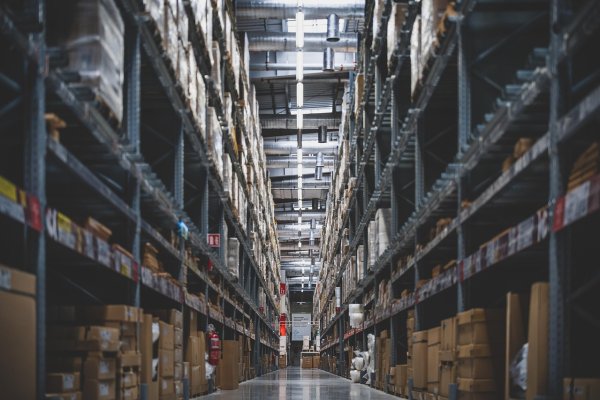
Storage costs represent a significant portion of total logistics expenses, making racking storage optimization a critical component of comprehensive price comparison strategies. The type, configuration, and utilization of warehouse racking systems directly impact both storage costs and operational efficiency.
Storage Density and Cost Analysis
Different racking systems offer varying levels of storage density, which dramatically affects the cost per cubic foot of stored inventory. Selective pallet racking provides easy access but lower density, while drive-in racking or push-back systems maximize space utilization at the expense of accessibility.
When comparing storage costs, businesses must evaluate the trade-offs between different racking configurations. A high-density system might reduce square footage requirements but increase handling time and labor costs. Sophisticated price comparison models incorporate these interdependencies to identify the optimal storage solution.
Technology-Enhanced Storage Management
Modern warehouse management systems integrate with racking configurations to optimize product placement based on velocity, size, and handling requirements. This intelligent slotting reduces travel time and labor costs while maximizing storage capacity utilization.
- Automated guided vehicles that navigate racking systems efficiently
- Sensors that monitor space utilization in real-time
- Dynamic slotting algorithms that adjust product locations
- Vertical lift modules for high-density small parts storage
- Automated storage and retrieval systems for maximum efficiency
Comparing Storage Provider Pricing
When evaluating third-party warehousing options, the racking configuration and technology level significantly impact pricing. Some providers charge premium rates for advanced automated storage systems, while others offer basic racking at lower costs. Comprehensive price comparison requires understanding how storage methodology affects overall operational expenses beyond just the per-pallet storage fee.
Transportation: The Moving Cost Variable
Transportation typically represents the largest single cost component in logistics operations, making it a primary focus for price comparison initiatives. The complexity of transportation pricing, with its numerous variables and surcharges, demands sophisticated analytical approaches.
Multi-Modal Transportation Analysis
Modern supply chains utilize multiple transportation modes, each with distinct cost structures and service characteristics. Effective price comparison requires evaluating not just the base freight rates but also the total delivered cost, including fuel surcharges, accessorial fees, and transit time implications.
Parcel shipping, less-than-truckload freight, full truckload, intermodal rail, and ocean shipping each present unique pricing challenges. Technology platforms aggregate rates from multiple carriers across all modes, enabling comprehensive comparison and optimal mode selection for each shipment.
Dynamic Pricing and Rate Shopping
Transportation costs fluctuate based on capacity availability, fuel prices, seasonal demand, and numerous other factors. Real-time rate shopping tools query multiple carriers simultaneously, presenting the best available options for each specific shipment based on current market conditions.
These systems consider factors beyond simple price comparison, including carrier performance history, transit time requirements, and service level agreements. The result is optimized carrier selection that balances cost with service quality and reliability.
Route Optimization Technology
Advanced routing algorithms reduce transportation costs by maximizing vehicle utilization and minimizing empty miles. These systems analyze countless route combinations to identify the most cost-effective delivery sequences while maintaining service commitments.
- Multi-stop route optimization for delivery fleets
- Backhaul opportunity identification to reduce empty miles
- Load consolidation strategies to maximize trailer utilization
- Dynamic rerouting based on traffic and weather conditions
- Integration with customer scheduling systems for delivery efficiency
Integrating the Components: Holistic Price Comparison
The most effective price comparison strategies integrate data from barcode scanning, racking storage, and transportation into unified analytical frameworks. This holistic approach reveals the true total cost of logistics operations and identifies optimization opportunities that single-function analyses might miss.
Total Cost of Ownership Modeling
Comprehensive price comparison requires understanding how decisions in one area affect costs in others. For example, accepting slower transportation might enable higher load consolidation, reducing per-unit shipping costs but increasing inventory carrying costs due to longer transit times. Integrated analysis reveals the optimal balance point.
Modern platforms provide dashboard views that display costs across all logistics functions, enabling managers to understand interdependencies and make informed trade-off decisions. These tools transform price comparison from a tactical procurement activity into a strategic competitive advantage.
Continuous Improvement Through Data Analytics
The data captured through barcode scanning, warehouse management systems, and transportation management platforms creates a rich foundation for ongoing cost optimization. Regular analysis of this data identifies trends, anomalies, and opportunities for improvement that drive continuous cost reduction.
Businesses that excel at price comparison treat it as an ongoing process rather than a periodic exercise. They establish key performance indicators, benchmark against industry standards, and continuously seek incremental improvements that compound over time into significant competitive advantages.
The Future of Price Comparison in Logistics
As technology continues to advance, price comparison in logistics will become even more sophisticated and automated. Blockchain technology promises enhanced transparency in supply chain costs, while Internet of Things sensors will provide unprecedented visibility into operational expenses at every level.
The businesses that thrive will be those that embrace these technological advances and develop robust price comparison capabilities across all aspects of their supply chain operations. Whether managing logistics in-house or working with third-party providers found through resources like www.search3pl.com, the ability to accurately compare and optimize costs will remain a critical success factor.
The convergence of barcode scanning, intelligent storage systems, and optimized transportation networks, all driven by advanced technology, creates opportunities for cost optimization that were unimaginable just a decade ago. Companies that master comprehensive price comparison will enjoy significant competitive advantages in increasingly challenging market conditions.