Price Comparison: Maximizing Value in Logistics and Fulfillment
In today's competitive business landscape, effective price comparison has become an essential skill for companies looking to optimize their operational costs without sacrificing quality. Whether you're a small startup or an established enterprise, understanding how to compare prices across logistics services, storage solutions, and shipping options can significantly impact your bottom line. This comprehensive guide explores the critical aspects of price comparison in the fulfillment industry, focusing on racking storage systems, third-party logistics providers, Royal Mail services, and the biggest players in the 3PL market.
Understanding the Importance of Price Comparison in Logistics
Price comparison isn't simply about finding the cheapest option available. It's a strategic process that requires evaluating value, quality, and long-term benefits alongside immediate costs. When it comes to logistics and fulfillment services, the lowest price doesn't always translate to the best value for your business. Hidden fees, service limitations, and quality issues can turn an apparently economical choice into an expensive mistake.
Smart businesses recognize that effective price comparison involves analyzing multiple factors including service reliability, scalability options, customer support quality, technology integration capabilities, and the provider's track record. This holistic approach ensures that you're making informed decisions that support both your current needs and future growth objectives.
Racking Storage: Comparing Costs and Solutions
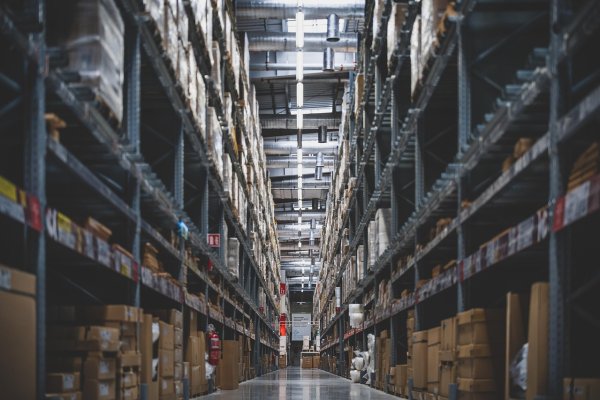
Storage solutions represent a significant investment for businesses managing inventory, and racking storage systems come with widely varying price points depending on their specifications and capabilities. Understanding what drives these price differences helps you make more informed purchasing decisions.
Types of Racking Systems and Their Price Ranges
When comparing racking storage options, you'll encounter several primary types, each with distinct pricing structures:
- Selective Pallet Racking: The most economical option, typically ranging from £50-£150 per pallet position, offering direct access to all stored items
- Drive-In Racking: Mid-range pricing at £100-£200 per pallet position, providing higher density storage but reduced accessibility
- Push-Back Racking: Premium solution costing £200-£350 per pallet position, featuring dynamic storage with excellent space utilization
- Automated Storage Systems: High-end options starting from £500+ per pallet position, delivering maximum efficiency and space optimization
Key Factors Affecting Racking Storage Prices
Beyond the basic system type, several variables influence the final cost of racking storage solutions. Material quality plays a crucial role, with heavy-duty steel systems commanding premium prices compared to lighter alternatives. Height and load capacity specifications directly impact pricing, as taller systems and those designed for heavier loads require more robust engineering and materials.
Installation complexity, safety features, and customization requirements also contribute to overall costs. When conducting price comparisons, ensure you're evaluating complete installation costs, including delivery, assembly, safety inspections, and any necessary warehouse modifications. Platforms like www.search3pl.com can help businesses connect with providers offering competitive racking solutions alongside comprehensive fulfillment services.
3PL for Small Business UK: Navigating the Options
For small businesses in the United Kingdom, partnering with the right third-party logistics provider can be transformative, but finding affordable yet reliable 3PL services requires careful price comparison and evaluation.
What Small Businesses Should Expect to Pay
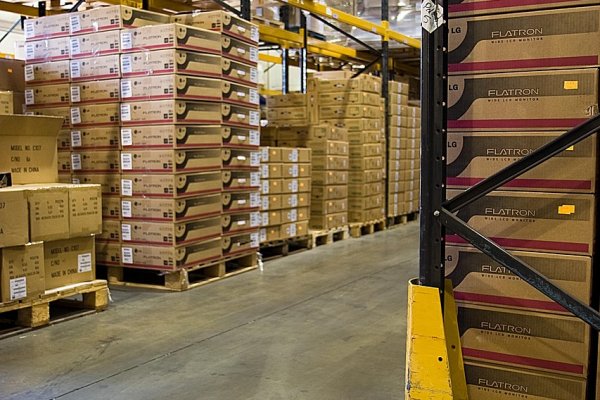
Third-party logistics pricing for small businesses typically follows several models, each with distinct advantages and considerations. Per-order fulfillment fees generally range from £2.50 to £5.00 per order, making them ideal for businesses with fluctuating volumes. Storage costs usually fall between £8 and £15 per pallet per week, though some providers offer bin or shelf storage at £0.50 to £2.00 per cubic foot monthly.
Many UK 3PL providers also charge receiving fees (£15-£30 per delivery) and pick-and-pack fees (£0.30-£1.00 per item). Understanding these various charges helps small businesses accurately project their logistics expenses and compare providers on equal footing.
Finding the Right 3PL Match
Small businesses should prioritize flexibility and scalability when comparing 3PL providers. Look for companies offering no minimum order requirements or willing to accommodate growing businesses with tiered pricing structures. Technology integration capabilities, particularly with popular e-commerce platforms like Shopify, WooCommerce, and Amazon, should factor heavily into your comparison process.
Customer service quality becomes especially important for small businesses without dedicated logistics teams. Responsive support, clear communication, and willingness to provide guidance can add substantial value beyond basic price considerations.
Royal Mail Services: Pricing Structure and Comparison
As the UK's primary postal service, Royal Mail offers various shipping options at different price points, making it essential for businesses to understand which services provide the best value for their specific needs.
Royal Mail Business Shipping Options
Royal Mail's business services include several tiers designed for different volume levels and delivery requirements. Royal Mail Tracked 24 and Tracked 48 services provide reliable delivery with tracking capabilities, with prices starting around £3.30 for small parcels. For higher volumes, businesses can access discounted rates through business account programs.
International shipping through Royal Mail presents more complex pricing, with costs varying significantly based on destination zones, package weight, and service level. When comparing Royal Mail to alternative carriers like DPD, Hermes, or Yodel, consider factors beyond base price including delivery reliability, tracking capabilities, proof of delivery options, and claims processes for lost or damaged items.
Maximizing Value with Royal Mail
Businesses can optimize their Royal Mail costs through several strategies. Volume commitments often unlock preferential pricing tiers, while using Royal Mail's Click & Drop service provides discounts compared to post office counter prices. Accurate package measurements and weight declarations prevent unexpected surcharges, and utilizing the most appropriate service level for each shipment type ensures you're not overpaying for unnecessary speed or features.
The Biggest 3PL Companies: What Premium Pricing Delivers
Understanding what the industry's largest players offer helps contextualize pricing across the 3PL landscape and determines whether premium services justify their higher costs.
Leading Global 3PL Providers
The logistics industry's giants include companies like DHL Supply Chain, XPO Logistics, CEVA Logistics, Kuehne + Nagel, and DB Schenker. These organizations typically command premium pricing but offer extensive global networks, advanced technology platforms, and specialized industry expertise.
For businesses requiring international fulfillment, complex supply chain management, or industry-specific handling (pharmaceuticals, cold chain, hazardous materials), these larger providers may deliver superior value despite higher base costs. Their established infrastructure, regulatory compliance expertise, and risk management capabilities can prevent costly errors and delays.
When Premium Pricing Makes Sense
Larger 3PL companies excel in scenarios requiring scale, complexity, and reliability. Multi-channel retailers operating across numerous markets benefit from comprehensive networks and integrated technology. Businesses handling high-value products often find that premium providers' enhanced security and insurance capabilities justify additional costs.
However, small to medium-sized businesses with straightforward fulfillment needs may find regional or specialized 3PL providers offer better value. These mid-sized companies frequently provide more personalized service, flexible contracts, and competitive pricing tailored to smaller operations.
Conducting Effective Price Comparisons: Best Practices
Successful price comparison requires a systematic approach that goes beyond surface-level cost analysis. Start by clearly defining your requirements including storage needs, order volumes, geographic coverage, technology integrations, and special handling requirements. This clarity enables more accurate comparisons and helps providers deliver relevant quotes.
Request detailed pricing breakdowns from multiple providers, ensuring you understand all fees including setup costs, recurring charges, volume-based pricing tiers, and potential surcharges. Creating a standardized comparison spreadsheet helps visualize differences and identify the best overall value. Resources like www.search3pl.com streamline this process by connecting businesses with multiple qualified providers simultaneously.
Red Flags to Watch During Comparisons
Certain warning signs should prompt additional scrutiny during price comparisons. Extremely low pricing that seems too good to be true often indicates hidden fees, service limitations, or quality concerns. Providers unwilling to provide detailed pricing breakdowns or client references may be concealing problematic aspects of their service.
Long-term contracts with significant penalties for early termination reduce flexibility and may lock you into unfavorable terms. Similarly, pricing that doesn't clearly address scalability can lead to unexpected cost increases as your business grows.
Conclusion: Strategic Price Comparison for Long-Term Success
Effective price comparison in logistics and fulfillment requires balancing immediate costs against long-term value, service quality, and business alignment. Whether you're evaluating racking storage systems, selecting a 3PL partner for your small UK business, choosing Royal Mail services, or considering the industry's largest providers, thorough comparison processes lead to better decisions and improved profitability.
By understanding pricing structures, identifying your specific requirements, and evaluating total value rather than base costs alone, you position your business for sustainable growth. Regular reassessment of your logistics partnerships ensures you continue receiving optimal value as your business evolves and the competitive landscape shifts. In an industry where margins matter and efficiency drives success, strategic price comparison isn't optional—it's essential.