Price Comparison: Your Ultimate Guide to Smart Business Decisions

In today's competitive business landscape, price comparison has evolved from a simple cost-cutting exercise into a strategic imperative that can make or break your bottom line. Whether you're managing warehouse operations, ensuring regulatory compliance, coordinating shipments from China, or selling on Amazon, understanding how to effectively compare prices across different vendors and services is essential for sustainable growth.
This comprehensive guide explores the critical aspects of price comparison across four key business areas that directly impact your operational efficiency and profitability. By mastering these comparison strategies, you'll be better equipped to make informed decisions that optimize your supply chain and maximize your competitive advantage.
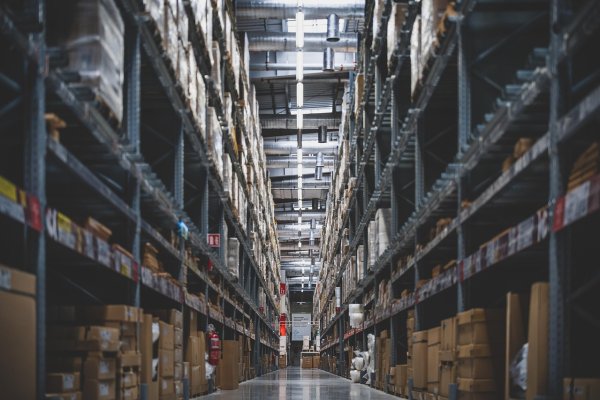
Understanding the True Cost of Racking Storage Systems
When evaluating racking storage solutions for your warehouse or fulfillment center, the sticker price represents only the tip of the iceberg. A thorough price comparison must account for multiple factors that influence your total cost of ownership over time.
Initial Investment Considerations
Racking systems vary dramatically in price depending on several key factors:
- Material quality: Steel gauge thickness, powder coating, and corrosion resistance directly impact durability and longevity
- Load capacity: Higher weight ratings require more robust construction and engineering
- Configuration complexity: Custom designs, multi-tier systems, and specialized applications command premium pricing
- Brand reputation: Established manufacturers often charge more but provide better warranties and support
- Installation requirements: Professional installation can add 15-30% to your total project cost
Hidden Costs That Impact Your Bottom Line
When comparing racking storage prices, savvy buyers look beyond the purchase price to evaluate:
- Maintenance requirements: Some systems require annual inspections and regular repairs
- Operational efficiency: Better-designed systems improve picking speed and reduce labor costs
- Space utilization: Premium systems that maximize vertical space may cost more initially but reduce facility rental expenses
- Safety features: Column guards, safety clips, and load indicators prevent accidents that could cost thousands in damages and liability
- Scalability: Modular systems allow for future expansion without complete replacement
A comprehensive price comparison should calculate the total cost per pallet position over a 10-year period, not just the initial outlay. This approach often reveals that mid-range options provide the best value proposition for growing businesses.
Navigating Compliance Costs Across Your Operations
Regulatory compliance represents a significant operational expense that varies considerably depending on your industry, location, and business model. Effective price comparison in this area requires understanding both direct and indirect costs.
Types of Compliance Expenses to Compare
Businesses must budget for multiple compliance categories:
- Product safety certifications: Testing and certification costs range from hundreds to tens of thousands of dollars per product
- Environmental regulations: Packaging disposal, carbon reporting, and sustainability initiatives carry ongoing costs
- Data protection: GDPR, CCPA, and other privacy regulations require investment in secure systems and legal consultation
- Labor law compliance: Payroll systems, training programs, and HR software ensure adherence to employment regulations
- Import/export documentation: Customs brokers, certification of origin, and tariff classifications involve recurring fees
Comparing Service Providers for Compliance Support
When evaluating compliance service providers, consider these factors:
First, assess the comprehensiveness of services offered. Some providers specialize in specific areas while others offer end-to-end compliance management. Second, examine their track record with businesses similar to yours in size and industry. Third, understand their fee structure—whether they charge flat rates, hourly fees, or percentage-based pricing on transactions.
The cheapest option rarely proves most cost-effective when compliance failures can result in fines, shipment delays, or marketplace suspensions. Platforms like www.search3pl.com can help you compare qualified providers who understand the complex intersection of warehousing, shipping, and regulatory requirements.
Mastering Shipping Price Comparisons from China
For businesses sourcing products from China, shipping costs often represent one of the largest and most variable expenses in the supply chain. Understanding how to compare these costs effectively can save thousands of dollars per shipment.
Ocean Freight vs. Air Freight Economics
The first major decision involves choosing between transportation modes:
Ocean freight typically costs 60-80% less than air freight but takes 30-40 days versus 5-7 days for air transport. For high-volume, low-urgency shipments, ocean freight provides superior value. However, the calculation becomes more complex when you factor in:
- Inventory carrying costs during extended transit times
- Cash flow implications of having capital tied up in goods in transit
- Opportunity costs of delayed market entry
- Risk of market conditions changing during shipping delays
Understanding the Complete Cost Structure
When comparing shipping quotes from China, many businesses make the mistake of focusing solely on the freight rate. A comprehensive comparison includes:
- Origin charges: Factory pickup, export customs clearance, terminal handling fees
- Freight charges: The actual transportation cost, which varies by route, season, and market conditions
- Destination charges: Import duties, customs brokerage, port fees, delivery to your warehouse
- Insurance: Cargo insurance typically costs 0.3-0.5% of shipment value
- Currency exchange risks: Fluctuations between payment and delivery can impact final costs
Additionally, consider the freight forwarder's reliability, communication quality, and problem-solving capabilities. A forwarder who charges 10% more but prevents costly delays and compliance issues often delivers better overall value.
Timing Your Shipments for Optimal Pricing
Shipping rates from China fluctuate significantly based on seasonal demand. Peak season (August-October) often sees rates double compared to slower periods. Strategic buyers plan inventory shipments during off-peak months to capture substantial savings, though this requires sophisticated inventory planning and adequate storage capacity.
Decoding Amazon's Complex Fee Structure
For sellers on Amazon, understanding and comparing the platform's various fees is crucial for maintaining profitability. Amazon's pricing structure includes multiple components that interact in complex ways.
Fulfillment by Amazon (FBA) Cost Analysis
When comparing FBA to alternative fulfillment methods, analyze these fee categories:
- Storage fees: Charged monthly based on cubic feet, with higher rates from October-December
- Fulfillment fees: Based on product size and weight, ranging from $3 for small items to $20+ for large products
- Referral fees: Typically 15% of sale price, though some categories charge 8-45%
- Long-term storage fees: Additional charges for inventory stored over 365 days
- Removal and disposal fees: Costs for returning or destroying unsold inventory
FBA vs. Third-Party Fulfillment Comparison
While FBA offers convenience and Prime eligibility, third-party logistics providers (3PLs) may provide better value for certain business models. When conducting this price comparison:
Calculate your total fulfillment cost per unit including storage, picking, packing, shipping, and returns processing. For businesses with consistent sales velocity and predictable demand, 3PLs often offer 20-30% cost savings compared to FBA. However, FBA's integration with Amazon's ecosystem, customer trust in Prime shipping, and reduced complexity may justify the premium for many sellers.
Resources like www.search3pl.com enable sellers to request quotes from multiple 3PL providers, making it easier to conduct apples-to-apples comparisons against Amazon's published fee schedule.
Hidden Amazon Costs to Factor Into Comparisons
Beyond published fees, consider these additional costs:
- Inbound shipping to Amazon warehouses, including prep requirements
- Labeling and packaging compliance costs
- Customer returns processing, which can run 5-30% depending on category
- Advertising costs required to maintain visibility in competitive categories
- Account health maintenance and potential suspension recovery costs
Creating an Integrated Price Comparison Strategy
The most successful businesses recognize that these four areas—racking storage, compliance, China shipping, and Amazon selling—don't exist in isolation. They interact in ways that create optimization opportunities.
Building Your Comparison Framework
Develop a systematic approach to price comparison that includes:
- Establishing clear metrics for each expense category
- Creating standardized request-for-proposal templates
- Maintaining a database of historical pricing for trend analysis
- Building relationships with multiple providers in each category
- Conducting regular market reviews to identify new opportunities
Technology Tools for Effective Comparison
Modern businesses leverage technology to streamline price comparison:
- Freight rate platforms that aggregate quotes from multiple carriers
- Amazon fee calculators that project profitability before listing products
- Warehouse management systems that track storage efficiency metrics
- Compliance management software that compares certification costs
Conclusion: Making Price Comparison a Competitive Advantage
Effective price comparison extends far beyond simply choosing the lowest-cost option. It requires a sophisticated understanding of how different cost elements interact, impact operational efficiency, and ultimately affect customer satisfaction and business growth.
By taking a holistic approach to comparing prices for racking storage, compliance services, China shipping, and Amazon fulfillment, you create a foundation for sustainable competitive advantage. The time invested in thorough analysis and the discipline to regularly review and optimize these expenses will pay dividends through improved margins, reduced risk, and enhanced operational flexibility.
Remember that the best price isn't always the lowest price—it's the one that delivers the optimal balance of cost, quality, reliability, and service for your specific business needs. Start implementing these comparison strategies today, and you'll position your business for long-term success in an increasingly competitive marketplace.