Price Comparison: FBA vs FBM Explained
In the competitive world of e-commerce, understanding the true cost of fulfillment can make or break your business profitability. Whether you're sourcing products from China or managing domestic inventory, choosing between Fulfillment by Amazon (FBA) and Fulfillment by Merchant (FBM) represents one of the most critical decisions you'll face. This comprehensive guide breaks down the price comparison between these fulfillment methods while examining shipping from China and transportation considerations that impact your bottom line.
Understanding FBA and FBM: The Foundation
Before diving into pricing comparisons, it's essential to understand what distinguishes these two fulfillment approaches. Fulfillment by Amazon (FBA) involves sending your inventory to Amazon's warehouses, where they handle storage, picking, packing, shipping, and customer service on your behalf. Fulfillment by Merchant (FBM), conversely, means you maintain control over your entire fulfillment process, whether through your own warehouse or a third-party logistics provider.
Each approach comes with distinct cost structures, advantages, and challenges that vary depending on your product type, sales volume, and business model. The decision isn't simply about which option costs less upfront—it's about understanding the total cost of ownership and how each method aligns with your operational capabilities and growth strategy.
Breaking Down FBA Costs
Amazon's FBA program operates on a fee-based structure that encompasses multiple cost components. Understanding these individual elements is crucial for accurate price comparison.
FBA Fulfillment Fees
Amazon charges per-unit fulfillment fees based on product size and weight. These fees cover picking, packing, shipping, customer service, and product returns. For standard-size items, fees typically range from $3 to $8 per unit, while oversized items incur substantially higher charges. These costs fluctuate seasonally, with peak season surcharges applied during the busy fourth quarter.
FBA Storage Fees
Monthly inventory storage fees represent another significant cost factor. Amazon charges based on cubic footage, with rates varying between standard and oversized items. Currently, standard-size items cost approximately $0.75 per cubic foot from January through September, increasing to $2.40 per cubic foot during October through December. Long-term storage fees apply to inventory remaining in fulfillment centers for more than 365 days, adding substantial costs to slow-moving products.
Additional FBA Expenses
- Removal and disposal fees: Charges for returning or disposing of inventory
- Label service fees: If Amazon applies product labels on your behalf
- Return processing fees: Additional charges for handling customer returns
- Unplanned service fees: Penalties for non-compliant shipments to fulfillment centers
Analyzing FBM Cost Structure
FBM offers greater control and flexibility, but this independence comes with its own set of expenses and responsibilities that require careful consideration.
Warehousing and Storage
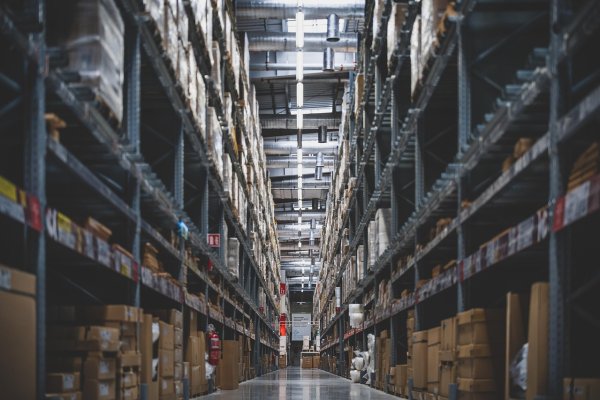
With FBM, you're responsible for storage costs, whether maintaining your own facility or partnering with a third-party logistics provider. Warehouse costs vary dramatically by location, with facilities in major metropolitan areas commanding premium rates. Many businesses discover that platforms like www.search3pl.com prove invaluable for comparing 3PL pricing and services to find the most cost-effective warehousing solutions.
Shipping and Handling Expenses
FBM requires you to manage all shipping logistics, including negotiating carrier rates, purchasing packaging materials, and handling the physical fulfillment process. While this adds complexity, it also provides opportunities to optimize costs through strategic carrier partnerships and efficient packing processes. Businesses with sufficient volume can often negotiate favorable shipping rates that compete with or exceed FBA's built-in advantages.
Labor and Operational Costs
Whether managing fulfillment in-house or through a 3PL partner, labor costs for picking, packing, and processing orders represent significant ongoing expenses. These costs scale with order volume and can fluctuate seasonally, requiring careful workforce planning and management.
Shipping from China: The Critical First Mile
For most e-commerce businesses, the fulfillment cost analysis begins long before products reach customers—it starts with shipping from China or other manufacturing locations. These initial transportation costs significantly impact overall profitability regardless of your chosen fulfillment method.
Sea Freight vs Air Freight
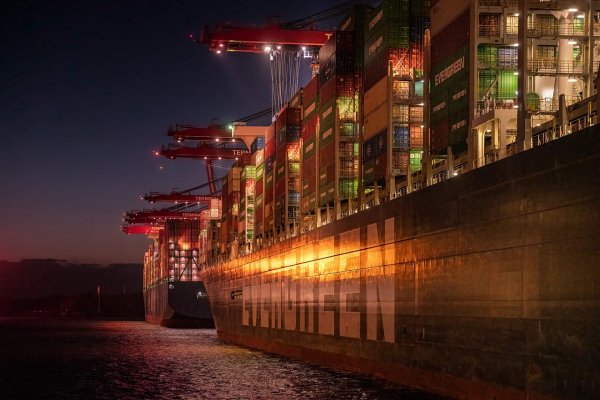
Ocean shipping remains the most economical option for large volumes, with costs typically ranging from $1 to $4 per kilogram depending on container size and current market conditions. Transit times generally span 25-45 days from Chinese ports to North American destinations. While slower, sea freight's cost-effectiveness makes it ideal for replenishment shipments and businesses with predictable demand patterns.
Air freight offers speed at a premium, with costs ranging from $5 to $15 per kilogram and transit times of 5-10 days. This option suits time-sensitive launches, rapid restocking of bestsellers, or lightweight, high-margin products where faster turnover justifies increased transportation expenses.
Express Shipping Options
Courier services like DHL, FedEx, and UPS provide door-to-door service with transit times of 3-7 days, though at the highest cost—typically $15 to $30 per kilogram. While expensive, express shipping proves valuable for sampling products, handling urgent replenishments, or shipping small quantities where per-unit costs remain manageable relative to product value.
Transportation Considerations for FBA Preparation
When utilizing FBA, products shipped from China require additional transportation to Amazon fulfillment centers, adding another cost layer to consider in your price comparison analysis.
Direct Shipping to Amazon
Many sellers arrange direct shipment from Chinese manufacturers to Amazon warehouses, consolidating international transportation with domestic delivery. This approach requires meticulous attention to Amazon's stringent receiving requirements, including proper labeling, packaging standards, and advance shipping notifications. Non-compliance can result in refusal of shipments or substantial unplanned service fees.
Freight Forwarding and Prep Centers
Alternatively, businesses often ship products to domestic prep centers that ensure Amazon compliance before forwarding to fulfillment centers. While adding cost and time, this intermediate step reduces rejection risk and provides quality control opportunities. Freight forwarders specializing in Amazon shipments can navigate complex customs procedures while ensuring products meet all FBA requirements.
Comprehensive Price Comparison Framework
Conducting an accurate price comparison between FBA and FBM requires evaluating total landed costs from manufacturing through customer delivery.
Low-Volume Scenarios
For businesses shipping fewer than 100 units monthly, FBA often provides superior value. The infrastructure investment required for effective FBM operations—warehouse space, shipping materials, technology systems—becomes difficult to justify at low volumes. Amazon's economy of scale in shipping and the Prime badge benefits typically outweigh the per-unit fees.
High-Volume Operations
As monthly order volume exceeds 500 units, FBM economics become increasingly attractive. Higher volumes enable negotiated shipping rates, justify warehouse investments, and spread fixed costs across more units. Many successful sellers utilize www.search3pl.com to identify 3PL partners offering volume-based pricing that competes favorably with FBA's fee structure.
Product-Specific Considerations
Product characteristics dramatically influence the FBA vs FBM equation. Large, heavy items incur disproportionate FBA fees, making FBM more economical. Conversely, small, lightweight products often favor FBA, where standardized fees prove competitive. Products with rapid turnover minimize FBA storage costs, while slow-moving inventory accumulates expensive long-term storage fees that can devastate margins.
Hidden Costs and Intangible Benefits
A complete price comparison extends beyond direct, measurable expenses to encompass less obvious cost factors and strategic benefits.
The Prime Badge Premium
FBA sellers automatically receive the Prime badge, providing access to Amazon's massive Prime membership base. This visibility and customer trust often translates to higher conversion rates and increased sales velocity that can offset higher fulfillment fees. Quantifying this advantage requires testing and data analysis specific to your products and competitive landscape.
Time and Opportunity Costs
FBM demands significant time investment in fulfillment operations—time that could alternatively focus on product development, marketing, or business expansion. For solo entrepreneurs and small teams, FBA's operational simplicity may prove invaluable despite higher per-unit costs. Conversely, established businesses with fulfillment expertise may find FBM's control and flexibility worth the additional management requirements.
Making Your Decision
The FBA versus FBM price comparison ultimately depends on your unique business circumstances. Consider testing both approaches with different product lines, analyzing actual performance data rather than relying solely on theoretical calculations. Many successful sellers employ hybrid strategies, using FBA for core products benefiting from Prime eligibility while fulfilling specialized or oversized items through FBM channels.
When factoring in shipping from China and transportation logistics, remember that optimization opportunities exist throughout your supply chain. Consolidating shipments, negotiating freight rates, and establishing reliable supplier relationships can significantly impact total costs regardless of your chosen fulfillment method.
The right choice balances direct costs with strategic considerations including growth plans, operational capacity, product characteristics, and competitive positioning. By thoroughly understanding the complete cost structure of each approach—from Chinese manufacturing facilities through final delivery to customers—you'll make informed decisions that support sustainable, profitable growth in the competitive e-commerce landscape.