Price Comparison Guide: Shipping from China to UK via Shopify & FBA
In today's competitive ecommerce landscape, understanding and comparing shipping costs from China to the UK can make the difference between a profitable business and one that struggles to break even. Whether you're running a Shopify store or selling through Amazon FBA, mastering the art of price comparison for international shipping is essential for maintaining healthy profit margins and staying competitive.
This comprehensive guide will walk you through the critical factors affecting shipping costs, how to effectively compare prices across different fulfillment methods, and strategies to optimize your import operations from China to the UK.
Understanding the China to UK Shipping Landscape
China remains the world's manufacturing powerhouse, producing everything from electronics to fashion accessories. For UK-based ecommerce entrepreneurs, sourcing products from China offers significant cost advantages, but shipping expenses can quickly erode profit margins if not managed carefully.
Key Shipping Methods from China to UK
When importing from China, you have several shipping options, each with distinct price points and delivery timeframes:
- Air Freight Express: Fastest option (3-7 days) but most expensive, typically costing £4-8 per kilogram
- Air Freight Standard: Moderate speed (7-15 days) with costs around £2-5 per kilogram
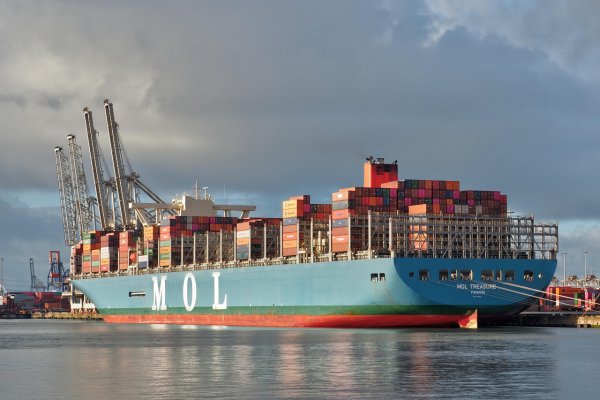
- Sea Freight FCL (Full Container Load): Most economical for large volumes (30-45 days), starting from £1,500 per 20ft container
- Sea Freight LCL (Less than Container Load): Suitable for smaller shipments (30-45 days), approximately £40-100 per cubic meter
- Railway Freight: Emerging option balancing speed and cost (18-25 days), with competitive rates between air and sea
Critical Factors Affecting Your Import Costs
Price comparison for shipping from China to the UK isn't simply about comparing per-kilogram rates. Multiple variables influence your total landed cost, and understanding these factors is crucial for accurate comparison.
Hidden Costs to Consider
Many businesses make the mistake of focusing solely on freight costs while overlooking additional expenses:
- Customs Duties and VAT: UK import duty ranges from 0-12% depending on product classification, plus 20% VAT on the total value including shipping
- Documentation Fees: Customs clearance, commercial invoices, and certificates of origin typically cost £50-200 per shipment
- Port Handling Charges: Terminal handling fees can add £100-300 to your costs
- Insurance: Typically 0.3-1.5% of cargo value, but essential for protecting your investment
- Storage Fees: Demurrage and detention charges if containers aren't collected promptly
- Inland Transportation: Moving goods from UK ports to your warehouse or fulfillment center
Integrating China Imports with Your Shopify Store
For Shopify merchants, efficiently managing imports from China while maintaining competitive pricing requires strategic planning and the right tools.
Shopify-Friendly Import Strategies
When operating a Shopify store, your import strategy should align with your sales velocity and customer expectations:
Direct Shipping Model: Products ship directly from China to customers. This minimizes upfront inventory investment but results in longer delivery times (15-45 days), which can impact customer satisfaction and increase support inquiries.
Hybrid Inventory Approach: Maintain fast-moving items in UK warehouses while slower products ship from China. This balances inventory costs with delivery speed, offering competitive shipping times for popular items while reducing overall inventory risk.
Bulk Import and Domestic Fulfillment: Import larger quantities by sea freight to UK-based warehouses, enabling fast domestic shipping. Platforms like www.search3pl.com can help you find suitable fulfillment partners to store and ship your inventory efficiently.
Price Comparison Tools for Shopify Merchants
Several platforms help Shopify store owners compare shipping rates and manage international logistics:
- Freightos: Compare rates from multiple carriers instantly with transparent pricing
- Shippo: Integrates directly with Shopify for streamlined international shipping
- Easyship: Provides pre-negotiated rates with major carriers and automated customs documentation
- ShipBob: Offers international warehousing with Shopify integration for distributed inventory
Amazon FBA: Leveraging Fulfillment by Amazon for China Imports
Amazon's FBA program presents unique opportunities and challenges for sellers importing from China. Understanding the cost structure is essential for maintaining profitability.
FBA Import Cost Breakdown
When shipping from China directly to Amazon FBA warehouses in the UK, consider these cost components:
- Manufacturing Costs: Your base product cost from Chinese suppliers
- International Shipping: Air or sea freight to UK Amazon fulfillment centers
- Customs and Import Duties: Duty, VAT, and clearance fees
- FBA Fees: Storage fees (£26-£36 per cubic meter monthly) plus fulfillment fees (£2.75-£6.70 depending on size and weight)
- Prep Services: Labeling, polybagging, or other preparation required by Amazon (£0.10-£1.20 per unit)
FBA Shipping Strategies from China
Strategic planning of your FBA shipments can significantly reduce costs and improve cash flow:
Freight Forwarder Partnership: Working with specialized China-to-UK freight forwarders who understand Amazon's requirements can save 20-30% compared to standard shipping options. These partners handle customs clearance, Amazon label requirements, and direct delivery to FBA warehouses.
Consolidated Shipments: Rather than sending small air shipments frequently, consolidate orders into larger sea freight shipments quarterly or bi-annually. While this increases inventory holding costs in China temporarily, the shipping savings often outweigh the additional storage fees.
Amazon Global Logistics: Amazon's proprietary shipping service offers competitive rates for high-volume sellers, with integrated tracking and automated customs clearance. Compare these rates against traditional freight forwarders to ensure you're getting the best value.
Conducting Effective Price Comparisons
To make informed decisions about your China-to-UK shipping strategy, implement a systematic approach to price comparison.
Creating Your Comparison Framework
Develop a standardized spreadsheet that calculates your total landed cost per unit across different shipping methods:
- Product cost per unit
- International freight cost (divided by number of units)
- Customs duty and VAT per unit
- Documentation and clearance fees per unit
- Domestic transportation per unit
- Storage and handling fees per unit (if applicable)
- FBA or 3PL fulfillment fees per unit (if applicable)
This framework reveals the true cost comparison between different fulfillment models and shipping methods, enabling data-driven decisions.
When to Reassess Your Shipping Strategy
Market conditions change rapidly in international logistics. Reassess your shipping costs and compare alternatives when:
- Fuel surcharges increase significantly (typically announced quarterly by carriers)
- Your order volumes increase by 50% or more, potentially qualifying you for better rates
- Currency exchange rates fluctuate by more than 5%
- New trade agreements or customs regulations are implemented
- Your product mix changes substantially
Optimizing Costs Across Platforms
Whether you're selling on Shopify, Amazon FBA, or both, optimization strategies can dramatically improve your bottom line.
Multi-Channel Fulfillment Considerations
Many successful ecommerce businesses operate across multiple platforms simultaneously. For these merchants, finding the right fulfillment strategy requires balancing platform-specific requirements with cost efficiency:
Dedicated FBA Inventory: Maintain separate inventory specifically for Amazon, taking advantage of FBA's logistics infrastructure while keeping independent control over your Shopify fulfillment.
3PL Integration: Partner with third-party logistics providers who can fulfill orders for both Shopify and handle Amazon prep services. Directories like www.search3pl.com make it easier to find 3PLs with multi-channel expertise and compare their pricing structures.
Hybrid Approach: Use FBA for fast-moving products on Amazon while a 3PL handles Shopify orders and slower-moving SKUs, optimizing for each channel's strengths.
Negotiating Better Rates
As your volume grows, don't accept standard published rates. Freight forwarders, carriers, and 3PLs all have flexibility to negotiate, especially for consistent volumes:
- Request quotes from at least 3-5 providers for meaningful comparison
- Provide accurate volume projections to demonstrate your value as a customer
- Consider annual contracts with minimum volume commitments for better rates
- Bundle services (shipping + customs clearance + warehousing) for package discounts
- Ask about fuel surcharge caps to protect against volatile energy prices
Future-Proofing Your Import Strategy
The logistics landscape continues evolving, with new technologies and services emerging regularly. Stay competitive by remaining informed about industry developments and regularly comparing your costs against current market rates.
Successful ecommerce businesses treat price comparison as an ongoing process rather than a one-time decision. By systematically evaluating your shipping costs, understanding the total landed cost across different fulfillment methods, and leveraging the right tools and partnerships, you can maintain healthy margins while delivering excellent service to your customers.
Whether you're just starting your import journey or looking to optimize an established operation, remember that the cheapest option isn't always the most cost-effective. Consider delivery speed, reliability, customer satisfaction, and cash flow implications alongside raw shipping costs to make decisions that support long-term business growth.