How Southampton's Port Powers Sustainable UK Import Fulfilment

The Strategic Importance of Southampton in UK Fulfilment
When discussing the backbone of British commerce and e-commerce fulfilment, Southampton inevitably enters the conversation as one of the United Kingdom's most vital maritime gateways. This Hampshire port city has evolved from its historical roots as a passenger terminal into a sophisticated hub for containerized cargo and import operations that support thousands of businesses across the country.
Southampton's strategic location on the South Coast provides unparalleled access to European markets while serving as a critical entry point for goods arriving from Asia, the Americas, and beyond. For businesses seeking efficient fulfilment solutions, understanding how Southampton's infrastructure, data systems, and sustainability initiatives intersect offers valuable insights into optimizing their supply chain operations.
Understanding Modern Fulfilment Data Flow
The backbone of contemporary fulfilment operations relies on seamless data flow across multiple stakeholders, systems, and geographical boundaries. When a container arrives at Southampton, it triggers a complex cascade of information exchanges that determine how quickly products move from ship to shelf.
The Digital Journey of Import Cargo
Modern import fulfilment begins long before goods physically arrive at port. The data flow commences when manufacturers abroad transmit shipping notifications, commercial invoices, and packing lists to UK-based fulfilment partners. This information flows through various systems:
- Customs declaration systems that process tariff classifications and duty calculations
- Port community systems that coordinate vessel schedules and berth allocations
- Warehouse management systems (WMS) that prepare for incoming inventory
- Transport management systems (TMS) that arrange onward distribution
- Customer platforms that update stock availability in real-time
Companies utilizing platforms like www.search3pl.com benefit from connecting with fulfilment partners who have invested in integrated technology stacks that ensure data flows smoothly between these various touchpoints. The velocity and accuracy of this information exchange directly impacts inventory availability, customer satisfaction, and operational costs.
Real-Time Visibility and Predictive Analytics
Advanced fulfilment providers now leverage predictive analytics to anticipate bottlenecks before they occur. By analyzing historical data patterns, weather forecasts, vessel tracking information, and seasonal demand fluctuations, sophisticated algorithms can recommend optimal inventory positioning and resource allocation.
This data-driven approach transforms reactive logistics into proactive supply chain management, reducing dwell times at port and accelerating the journey from import arrival to customer delivery.
Southampton's Role in UK Import Operations
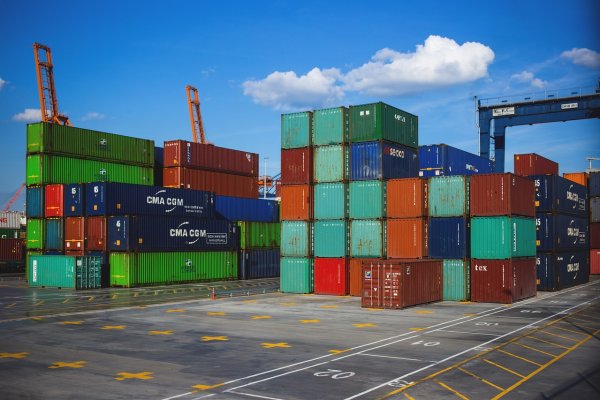
Southampton handles approximately 1.5 million TEUs (twenty-foot equivalent units) annually, making it Britain's second-largest container port. This volume represents a substantial portion of the UK's consumer goods, automotive parts, retail inventory, and industrial supplies.
Infrastructure Advantages for Importers
Several factors make Southampton particularly attractive for businesses managing UK import fulfilment:
- Deep-water berths capable of accommodating the latest generation of ultra-large container vessels
- Dual tidal access allowing ship movements during most of the day, reducing delays
- Excellent rail connectivity via the Southampton-London corridor and wider UK rail network
- Proximity to major motorways including the M27, M3, and M25 orbital route
- Concentration of specialist logistics providers offering value-added services
These infrastructure elements create a competitive ecosystem where fulfilment operations can achieve impressive throughput rates. Containers arriving on morning tides can be customs-cleared, destuffed, and distributed to regional fulfilment centers by evening—a speed that directly translates to faster stock replenishment for retailers and e-commerce businesses.
Post-Brexit Import Considerations
Since Brexit implementation, Southampton has adapted to new customs procedures and border controls. Fulfilment providers operating in the region have invested heavily in customs brokerage expertise and systems integration to ensure smooth import clearance despite additional documentation requirements.
For businesses importing goods into the UK, partnering with Southampton-based fulfilment operations offers the advantage of established customs expertise and relationships with border authorities that minimize clearance delays.
Sustainability in Modern Fulfilment Operations
Environmental responsibility has transitioned from competitive differentiator to fundamental business requirement. Both consumers and regulatory frameworks increasingly demand that fulfilment operations demonstrate measurable sustainability improvements.
Green Port Initiatives at Southampton
Southampton has implemented several sustainability initiatives that benefit businesses committed to reducing their environmental footprint:
- Shore power facilities allowing vessels to switch off diesel generators while docked
- Electric and hybrid cargo handling equipment reducing emissions in terminal operations
- Rail freight prioritization encouraging modal shift from road to lower-carbon transport
- LED lighting installations across terminal facilities
- Water recycling systems for equipment washing and dust suppression
These port-level initiatives create a foundation upon which fulfilment providers can build comprehensive sustainability strategies.
Sustainable Fulfilment Practices
Leading fulfilment operations near Southampton are implementing practices that align with both environmental objectives and commercial efficiency:
Packaging optimization: Reducing materials while maintaining product protection through right-sized packaging, recycled content materials, and elimination of single-use plastics. Data flow systems help identify opportunities to consolidate shipments and reduce packaging waste.
Energy-efficient warehousing: Modern fulfilment centers incorporate solar panels, motion-activated lighting, heat recovery systems, and building management systems that optimize energy consumption based on operational demand.
Fleet electrification: Forward-thinking providers are transitioning delivery fleets to electric vehicles, particularly for final-mile urban deliveries where range limitations pose minimal challenges.
Circular economy integration: Establishing reverse logistics capabilities that facilitate product returns, refurbishment, and recycling extends product lifecycles and reduces waste to landfill.
Measuring and Reporting Sustainability Performance
The same data flow systems that optimize operational efficiency also enable comprehensive sustainability reporting. Modern warehouse management systems can track:
- Carbon emissions per order fulfilled
- Packaging material consumption and recycling rates
- Energy usage per square meter of warehouse space
- Water consumption and wastewater treatment
- Waste diversion rates from landfill
Businesses evaluating fulfilment partners through directories like www.search3pl.com should prioritize providers who can demonstrate transparent sustainability metrics and continuous improvement programs.
Integration: Where Data, Location, and Sustainability Converge
The most effective fulfilment strategies recognize that operational excellence emerges from the intelligent integration of technology, geography, and environmental stewardship.
Data-Driven Sustainability
Advanced analytics enable fulfilment providers to identify sustainability opportunities that might otherwise remain hidden. For example, analyzing delivery route data can reveal optimization possibilities that simultaneously reduce carbon emissions and transportation costs. Inventory positioning algorithms can minimize long-distance transfers by strategically locating stock based on regional demand patterns.
Artificial intelligence and machine learning applications are particularly promising for sustainability enhancement. These technologies can predict optimal reorder quantities that minimize airfreight emergency shipments, forecast returns rates to prepare appropriate reverse logistics capacity, and identify packaging configurations that reduce dimensional weight charges while maintaining product integrity.
Southampton's Competitive Sustainability Position
Southampton's geographic position offers inherent sustainability advantages for UK distribution. Its southern coastal location means imported goods destined for London and Southeast England—representing the country's highest population density and consumption—travel shorter distances than alternatives like northern ports.
This proximity translates directly to reduced transportation emissions, lower fuel consumption, and faster delivery times. When combined with Southampton's rail infrastructure, the potential for low-carbon distribution increases substantially.
Future Trends in Sustainable Import Fulfilment
Several emerging trends will shape how Southampton-based fulfilment operations handle UK imports in coming years:
Blockchain for supply chain transparency: Distributed ledger technology promises enhanced traceability of product origins, carbon footprints, and ethical sourcing credentials throughout the import journey.
Automated customs processing: Continued investment in digital customs systems will accelerate clearance times while improving compliance accuracy.
Micro-fulfilment networks: Strategic positioning of smaller fulfilment nodes closer to population centers, fed by Southampton imports, will reduce final-mile delivery distances.
Alternative fuel adoption: Hydrogen fuel cells and biofuels may supplement electric vehicles for longer-range distribution requirements.
Collaborative consumption models: Shared warehousing and consolidated deliveries among multiple brands will optimize asset utilization and reduce redundant transportation.
Conclusion: Building Resilient, Responsible Fulfilment Operations
The convergence of sophisticated data flow, strategic port infrastructure, efficient import processes, and sustainability commitments creates unprecedented opportunities for businesses seeking competitive advantage through fulfilment excellence.
Southampton's evolution as a technologically advanced, environmentally conscious gateway for UK imports positions it as a critical enabler for businesses committed to both operational performance and environmental responsibility. Companies that leverage the port's capabilities while partnering with fulfilment providers who prioritize data integration and sustainability will be best positioned to meet evolving customer expectations and regulatory requirements.
As consumer awareness of environmental issues continues growing and supply chain complexity increases, the businesses that thrive will be those that view fulfilment not merely as a logistics function but as a strategic capability that delivers competitive differentiation through speed, accuracy, transparency, and sustainability.