How Southampton Became a Strategic Hub for Import Fulfilment

In the increasingly complex world of international commerce, the relationship between imports, strategic location, and efficient fulfilment operations has never been more critical. Southampton, with its rich maritime heritage and modern logistics infrastructure, has emerged as one of the United Kingdom's most important fulfilment hubs, particularly for businesses managing imported goods. Combined with sophisticated inventory management systems and the presence of global carriers like DHL, the city offers a compelling proposition for businesses seeking to optimize their supply chain operations.
Southampton's Strategic Advantage in Import Fulfilment
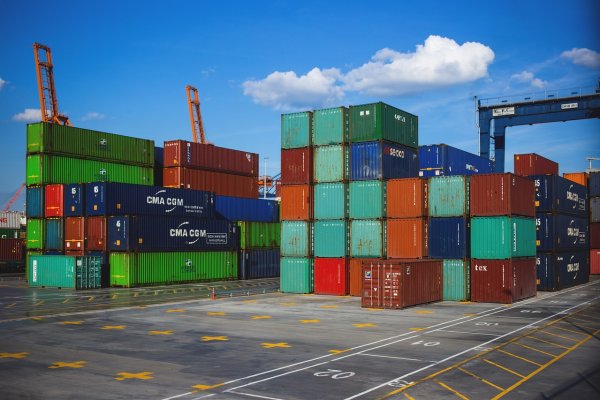
Southampton's position as a fulfilment powerhouse isn't accidental. The city boasts the UK's second-largest container port, handling millions of TEUs (twenty-foot equivalent units) annually. This proximity to a major port facility creates an unparalleled advantage for businesses dealing with imported goods, dramatically reducing the time and cost associated with moving products from ship to warehouse to customer.
The port's deep-water capabilities allow it to accommodate the largest container vessels currently in operation, ensuring that businesses can benefit from economies of scale when importing goods. This infrastructure, combined with excellent road and rail connections to the rest of the UK, positions Southampton as a natural gateway for international trade. For fulfilment operations, this means imported goods can arrive, clear customs, and enter warehouse facilities within hours rather than days.
The Port-to-Warehouse Pipeline
The efficiency of Southampton's import fulfilment ecosystem relies on the seamless integration between port operations and warehouse facilities. Many third-party logistics providers have strategically located their operations within minutes of the port terminals, creating what industry experts call a "golden triangle" of import efficiency. This proximity enables:
- Reduced drayage costs and carbon footprint
- Faster inventory turnover and reduced storage time at ports
- Improved security and reduced handling of goods
- Real-time visibility throughout the import-to-storage process
- Enhanced ability to respond to customs or documentation issues
DHL's Role in Southampton's Fulfilment Ecosystem
When discussing Southampton's logistics capabilities, the presence of DHL cannot be overlooked. As one of the world's leading logistics companies, DHL maintains significant operations throughout the Southampton area, providing both domestic and international shipping solutions that complement the region's fulfilment infrastructure.
DHL's Southampton facilities offer specialized services that are particularly valuable for businesses managing imported inventory. Their express services connect Southampton to over 220 countries and territories, while their freight forwarding capabilities help businesses navigate the complexities of international shipping. For fulfilment operations, this means access to:
- Same-day and next-day delivery options across the UK
- International shipping with customs expertise
- Temperature-controlled logistics for sensitive imports
- Returns management and reverse logistics
- Track and trace capabilities for complete shipment visibility
Integration with Fulfilment Operations
Modern fulfilment centres in Southampton have developed sophisticated integrations with DHL and other carriers. These partnerships enable automated label generation, real-time rate shopping, and seamless handoff between warehouse and courier. For businesses using platforms like www.search3pl.com to identify fulfilment partners, this carrier connectivity often represents a critical selection criterion.
Advanced Inventory Management in Southampton Facilities
The effectiveness of any fulfilment operation ultimately depends on robust inventory management systems. Southampton's fulfilment centres have invested heavily in warehouse management systems (WMS) and inventory control technologies that provide unprecedented visibility and control over imported stock.
Modern inventory management in Southampton facilities typically incorporates several key technologies and methodologies:
Real-Time Inventory Tracking
Today's systems provide instant visibility into stock levels, locations, and movement. Using barcode scanning, RFID technology, or even computer vision systems, fulfilment centres can track each unit from the moment it arrives from the port through to final dispatch. This level of detail is particularly important for businesses managing multiple SKUs across various import shipments.
Demand Forecasting and Replenishment
Sophisticated inventory management systems now incorporate artificial intelligence and machine learning to predict demand patterns. For imported goods, this capability is invaluable, helping businesses determine optimal order quantities and timing to balance the extended lead times of international shipping against the costs of excess inventory.
These systems analyse historical sales data, seasonal trends, promotional activities, and even external factors like economic indicators to generate accurate forecasts. The result is optimized inventory levels that minimize both stockouts and excess holding costs.
Multi-Channel Inventory Allocation
For businesses selling across multiple channels—whether marketplaces, direct-to-consumer websites, or wholesale partnerships—inventory management becomes exponentially more complex. Southampton's advanced fulfilment operations offer systems that can allocate inventory intelligently across channels, ensuring that high-priority sales channels receive adequate stock while preventing overselling.
The Import Process: From Container to Customer
Understanding the complete import fulfilment process illuminates why Southampton's integrated approach delivers such significant advantages. The journey typically follows these stages:
- Pre-arrival Planning: Before goods arrive, fulfilment centres receive advance shipping notices (ASNs) that allow them to prepare receiving space and resources.
- Port Arrival and Customs Clearance: Containers arrive at Southampton port, where customs clearance occurs. Experienced fulfilment partners often provide customs brokerage services to expedite this process.
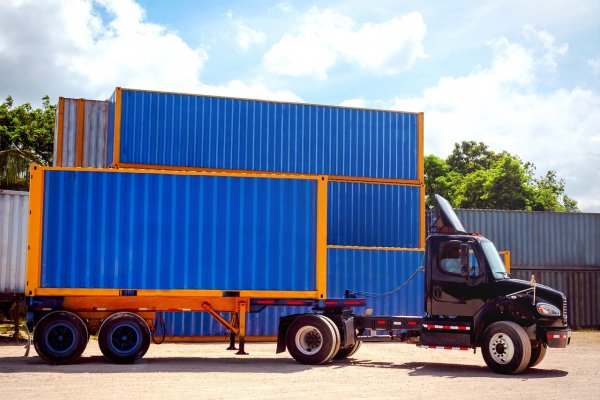
- Drayage to Warehouse: Cleared containers are transported to nearby fulfilment centres, often within the same day.
- Receiving and Quality Control: Goods are unloaded, inspected, and entered into inventory management systems with complete traceability.
- Storage and Organization: Products are stored according to optimized warehouse strategies, considering factors like velocity, size, and picking efficiency.
- Order Processing: As orders arrive, inventory management systems direct warehouse staff to pick, pack, and prepare shipments.
- Carrier Integration: Packages are handed to DHL or other carriers for final delivery, with tracking information automatically communicated to customers.
Challenges and Solutions in Import Fulfilment
Despite Southampton's advantages, import fulfilment presents ongoing challenges that require sophisticated solutions. Brexit has introduced additional customs and documentation requirements for goods arriving from the EU, while global supply chain disruptions have highlighted the importance of flexibility and contingency planning.
Customs and Compliance
Post-Brexit customs procedures require meticulous attention to detail. Leading Southampton fulfilment providers have responded by developing dedicated customs expertise, employing specialists who understand tariff classifications, duty calculations, and documentation requirements. Many also maintain bonded warehouse facilities, allowing businesses to defer duty payments until goods are sold, improving cash flow management.
Supply Chain Visibility
For businesses relying on imported inventory, visibility throughout the supply chain is paramount. Modern solutions integrate data from shipping lines, port operations, customs systems, and warehouse management platforms to provide a single view of inventory status. This visibility enables proactive problem-solving when delays or issues arise.
Selecting the Right Fulfilment Partner in Southampton
For businesses considering Southampton for their import fulfilment operations, selecting the right partner requires careful evaluation. Key considerations include:
- Proximity to port facilities and transport links
- Technology capabilities and system integrations
- Experience with imported goods and customs procedures
- Carrier relationships and shipping options
- Scalability to accommodate business growth
- Value-added services like kitting, labeling, or quality inspection
Resources like www.search3pl.com enable businesses to compare fulfilment providers across these dimensions, ensuring they find partners that align with their specific requirements and growth objectives.
The Future of Southampton Fulfilment
Looking ahead, Southampton's fulfilment sector continues to evolve. Investments in automation technologies, from robotic picking systems to autonomous vehicles, promise further efficiency gains. Sustainability initiatives are driving adoption of electric delivery vehicles and renewable energy in warehouse operations. Meanwhile, the port itself continues to expand, with new berths and handling equipment ensuring capacity for future growth.
The convergence of strategic location, advanced technology, carrier connectivity through partners like DHL, and sophisticated inventory management positions Southampton as a compelling choice for businesses seeking to optimize their import fulfilment operations. As international commerce continues to grow in complexity, the integrated approach exemplified by Southampton's logistics ecosystem offers a roadmap for efficient, scalable fulfilment that meets the demands of modern retail.
Conclusion
Southampton's emergence as a premier import fulfilment hub reflects the successful integration of multiple critical elements: world-class port infrastructure, proximity to markets, carrier connectivity, and advanced inventory management capabilities. For businesses navigating the complexities of international supply chains, Southampton offers not just a location, but a comprehensive ecosystem designed to streamline the journey from import to customer delivery. As global commerce continues evolving, Southampton's combination of traditional maritime strength and modern logistics innovation ensures its ongoing relevance in the fulfilment landscape.