Global Fulfilment: From China Imports to Royal Mail Delivery
In today's interconnected e-commerce landscape, understanding the complete fulfilment journey is essential for business success. From sourcing products in China to delivering packages through Royal Mail to UK customers, each step requires careful coordination, robust data systems, and strategic planning. This comprehensive guide explores how modern fulfilment operations bridge continents and connect suppliers with consumers through sophisticated logistics networks.
The Foundation of Modern Fulfilment
Fulfilment represents far more than simply storing products and sending them out when orders arrive. It encompasses the entire process of receiving inventory, warehousing goods, picking and packing orders, and coordinating final delivery to customers. For businesses sourcing products internationally—particularly from manufacturing powerhouses like China—fulfilment becomes a complex orchestration of international logistics, customs clearance, inventory management, and last-mile delivery.
The modern fulfilment industry has evolved dramatically over the past decade, driven by consumer expectations for faster delivery times, real-time tracking, and seamless returns processes. Businesses must now integrate multiple systems and partners to create an efficient supply chain that moves products from overseas factories to customer doorsteps with minimal friction and maximum visibility.
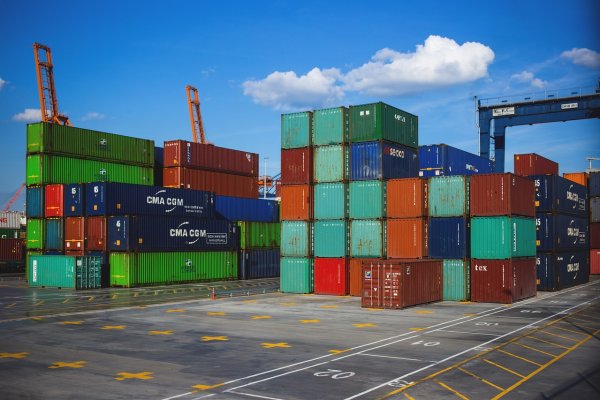
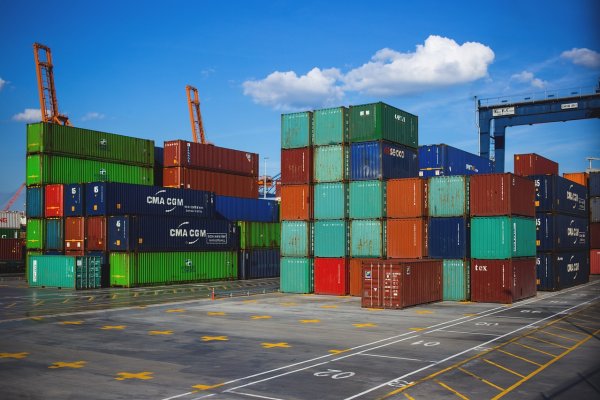
Shipping from China: The Starting Point
China remains the world's largest exporter and the primary manufacturing hub for countless e-commerce businesses. Understanding the intricacies of shipping from China is therefore fundamental to successful fulfilment operations.
Choosing Your Shipping Method
When importing from China, businesses typically choose between several shipping methods, each with distinct advantages:
- Sea Freight: Most cost-effective for large volumes, with transit times typically between 25-40 days to UK ports
- Air Freight: Faster delivery (5-10 days) but significantly more expensive, ideal for time-sensitive or high-value products
- Express Courier: Door-to-door service through carriers like DHL or FedEx, offering speed and convenience at premium prices
- Rail Freight: An emerging middle ground option, offering better transit times than sea freight at competitive prices
Understanding Import Regulations
Successfully importing goods from China requires navigating a complex regulatory landscape. UK businesses must consider customs duties, VAT, and product-specific regulations. The import process involves several critical steps:
- Obtaining accurate HS codes for product classification
- Calculating and preparing for duty payments
- Ensuring compliance with UK product safety standards
- Preparing complete and accurate customs documentation
- Arranging customs clearance either independently or through a freight forwarder
Many businesses partner with experienced freight forwarders or third-party logistics providers who specialize in China imports, leveraging their expertise to navigate these complexities efficiently. Platforms like www.search3pl.com help businesses identify qualified fulfilment partners with specific expertise in international shipping and customs clearance.
Data Flow: The Nervous System of Fulfilment
Behind every successful fulfilment operation lies a sophisticated data infrastructure that coordinates information across multiple systems, partners, and geographical locations. Data flow represents the continuous movement and synchronization of information throughout the supply chain.
Critical Data Integration Points
Modern fulfilment relies on seamless data exchange between various systems:
- E-commerce platforms that capture customer orders and inventory availability
- Warehouse Management Systems (WMS) that track physical inventory location and movement
- Shipping carrier systems that generate labels, provide tracking, and confirm deliveries
- Customs platforms that facilitate international trade documentation
- Enterprise Resource Planning (ERP) systems that manage overall business operations
- Customer Relationship Management (CRM) tools that maintain customer communications
Real-Time Visibility and Tracking
Today's consumers expect complete transparency throughout their purchase journey. Effective data flow enables businesses to provide real-time updates at every stage, from "order confirmed" through "out for delivery." This visibility benefits all stakeholders—customers gain peace of mind, customer service teams can proactively address issues, and operations managers can identify bottlenecks before they escalate.
Advanced fulfilment operations utilize Application Programming Interfaces (APIs) to create automated data exchanges that eliminate manual data entry, reduce errors, and accelerate processing times. When an order is placed on an e-commerce site, properly integrated systems can automatically trigger warehouse picking, generate shipping labels, update inventory counts, and send customer notifications—all without human intervention.
Data Analytics for Optimization
Beyond operational data flow, sophisticated fulfilment operations leverage data analytics to drive continuous improvement. By analyzing patterns in order volumes, shipping costs, delivery times, and return rates, businesses can make informed decisions about inventory positioning, carrier selection, and operational procedures.
Royal Mail: The Last-Mile Solution
After goods complete their journey from China and arrive at UK fulfilment centers, the final delivery phase begins. For many UK businesses, Royal Mail represents the primary last-mile delivery partner, offering comprehensive coverage across the country.
Royal Mail's Fulfilment Advantages
Royal Mail provides several benefits that make it attractive for e-commerce fulfilment:
- Universal coverage: Delivery to every UK address, including remote locations that other carriers may charge premiums to reach
- Recognized and trusted: High consumer familiarity and trust in the Royal Mail brand
- Flexible service levels: Options ranging from standard delivery to tracked and guaranteed next-day services
- Competitive pricing: Particularly cost-effective for smaller, lighter packages
- Integration capabilities: Well-developed APIs and shipping software integrations
Royal Mail Service Options for Fulfilment
Royal Mail offers various services tailored to different fulfilment needs. Royal Mail Tracked 24 and Tracked 48 provide tracking capabilities with aim-to-deliver timeframes, ideal for standard e-commerce orders. For higher-value items, Special Delivery Guaranteed offers secure, signed-for delivery with compensation coverage.
The Royal Mail Click & Drop platform enables businesses to generate shipping labels, schedule collections, and manage deliveries through a streamlined online interface. For higher-volume shippers, Royal Mail offers business account services with preferential pricing and dedicated support.
Integrating the Complete Fulfilment Chain
The most successful fulfilment operations seamlessly connect international imports, sophisticated data management, and reliable final delivery into a cohesive system. This integration requires careful planning and the right technology infrastructure.
Choosing the Right Fulfilment Partner
Many businesses, particularly those scaling rapidly or lacking logistics expertise, partner with third-party logistics (3PL) providers who specialize in managing the complete fulfilment chain. A qualified 3PL partner should offer:
- Experience with China imports and customs clearance
- Robust warehouse management systems with real-time inventory visibility
- Multiple carrier integrations, including Royal Mail and alternatives
- Scalable infrastructure to accommodate growth
- Transparent pricing with no hidden fees
- Strong data security and system reliability
Comparing multiple 3PL providers helps businesses find the best fit for their specific needs. Resources like www.search3pl.com simplify this comparison process by providing comprehensive directories of fulfilment providers with detailed service capabilities and specializations.
Building Resilient Supply Chains
Recent global disruptions have highlighted the importance of supply chain resilience. Smart businesses now build redundancy into their fulfilment operations, maintaining relationships with multiple shipping providers from China, diversifying inventory locations, and ensuring their data systems can quickly adapt to changing circumstances.
This might include holding safety stock in UK warehouses to buffer against shipping delays, qualifying backup carriers beyond Royal Mail for final delivery, and implementing inventory management systems that can dynamically route orders based on real-time stock positions and carrier performance.
Future Trends in Global Fulfilment
The fulfilment landscape continues evolving rapidly. Emerging trends include increased automation in warehouses, artificial intelligence for demand forecasting and route optimization, blockchain for supply chain transparency, and sustainability initiatives reducing packaging waste and carbon emissions.
As consumer expectations continue rising and international trade becomes increasingly complex, businesses that invest in robust fulfilment infrastructure—spanning imports, data management, and delivery—will maintain competitive advantages in the global marketplace.
Conclusion
Modern fulfilment represents a sophisticated ecosystem connecting global manufacturing, advanced data systems, and local delivery networks. By understanding how China imports, data flow, and carriers like Royal Mail interconnect, businesses can build efficient, scalable operations that delight customers while controlling costs. Whether managing fulfilment internally or partnering with specialized 3PL providers, success requires strategic thinking, technological investment, and continuous optimization across the entire supply chain journey.