Fulfilment Excellence: Connecting Imports Through Key UK Hubs

The landscape of e-commerce fulfilment in the United Kingdom has evolved dramatically over the past decade, with strategic port locations and sophisticated technology platforms converging to create seamless supply chain solutions. For online retailers utilizing platforms like WooCommerce, understanding how imports flow through major hubs such as Southampton and Birmingham can transform business operations and customer satisfaction.
The Strategic Importance of UK Port Locations
When discussing fulfilment operations in the United Kingdom, the conversation inevitably turns to the country's critical port infrastructure. These maritime gateways serve as the initial touchpoint for imported goods destined for warehouses and ultimately, customers' doorsteps.
Southampton: The Gateway to Southern England
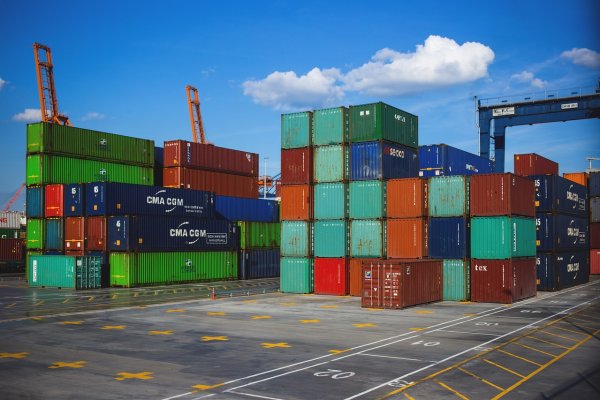
Southampton stands as one of the UK's most significant ports, handling millions of containers annually. For e-commerce businesses importing goods from Asia, Europe, or beyond, Southampton offers unparalleled access to southern England's consumer markets. The port's deep-water facilities accommodate the largest container ships, ensuring that businesses can benefit from economies of scale when importing inventory.
Fulfilment centres located near Southampton provide distinct advantages:
- Reduced transportation costs from port to warehouse
- Faster clearance times for imported goods
- Lower carbon footprint due to shorter inland distances
- Quick access to London and the South East's dense population
- Proximity to major motorway networks for nationwide distribution
The strategic positioning of fulfilment operations near Southampton enables businesses to minimize the time goods spend in transit, reducing holding costs and improving cash flow. This geographical advantage becomes particularly valuable during peak seasons when speed to market determines competitive success.
Birmingham: The Heart of UK Distribution
While not a coastal port, Birmingham's position as the UK's central distribution hub cannot be overstated. Located at the geographic heart of England, Birmingham offers fulfilment operations something equally valuable: optimal access to the entire UK population.
Birmingham's distribution credentials include:
- Central location providing equal reach to all UK regions
- Extensive motorway network with M6, M5, M42, and M40 access
- Major rail freight connections
- Proximity to East Midlands Airport for air freight
- Large availability of warehouse space at competitive rates
For WooCommerce retailers, a Birmingham fulfilment centre means that next-day delivery becomes economically viable for customers across England, Scotland, and Wales. This central positioning reduces overall shipping costs while improving delivery speed consistency.
Understanding Modern Import Fulfilment
Import fulfilment encompasses the entire process from goods leaving the manufacturer to arriving at the customer's address. This complex operation requires coordination across multiple parties, documentation, customs clearance, warehousing, and final-mile delivery.
The Import Journey
A typical import fulfilment journey for e-commerce goods follows this pathway:
- Manufacturing and Export Documentation: Goods are produced overseas and prepared with proper export documentation, including commercial invoices, packing lists, and certificates of origin.
- Sea or Air Freight: Containers are shipped to UK ports like Southampton, with transit times ranging from days to weeks depending on origin and shipping method.
- Port Arrival and Customs Clearance: Upon arrival, goods undergo customs clearance, duty payment, and compliance checks before release.
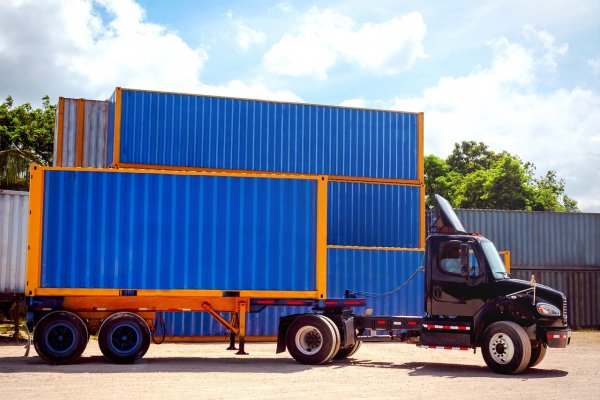
- Transportation to Fulfilment Centre: Cleared goods are transported to warehouses in strategic locations such as Birmingham.
- Receiving and Quality Control: Fulfilment centres receive goods, verify quantities, and conduct quality inspections.
- Storage and Inventory Management: Products are stored with SKU-level tracking integrated with e-commerce platforms.
- Order Processing: When customer orders arrive through WooCommerce, items are picked, packed, and shipped.
WooCommerce Integration: The Technology Bridge
WooCommerce has established itself as one of the world's most popular e-commerce platforms, powering millions of online stores. For businesses dealing with imported goods, the seamless integration between WooCommerce and fulfilment operations proves essential for scalable growth.
How WooCommerce Fulfilment Works
Modern fulfilment centres offer sophisticated WooCommerce integration that automates the entire order lifecycle. When a customer places an order on a WooCommerce store, the following occurs:
The order automatically transmits to the fulfilment centre's warehouse management system. Inventory levels update in real-time across all sales channels. Pick lists generate automatically, optimizing warehouse staff routes. Packing slips print with customized branding and messaging. Shipping labels create based on predetermined carrier rules and service levels. Tracking information flows back to WooCommerce and triggers customer notifications.
This automation eliminates manual data entry, reduces errors, and accelerates order processing, allowing retailers to scale without proportionally increasing operational overhead. Businesses can find suitable fulfilment partners through directories like www.search3pl.com, which specialize in connecting retailers with qualified logistics providers.
Multi-Channel Inventory Management
WooCommerce fulfilment integration enables businesses to maintain accurate inventory across multiple sales channels. Whether selling through your own website, Amazon, eBay, or marketplace platforms, centralized inventory management prevents overselling and stockouts. This becomes particularly critical when managing imported goods with longer lead times.
Building an Effective Import Fulfilment Strategy
Success in import fulfilment requires strategic planning across multiple dimensions. Retailers must consider location, technology, compliance, and partnership when developing their approach.
Location Strategy
Choosing between Southampton, Birmingham, or multiple locations depends on several factors:
- Customer Geography: Where do most orders ship? A Birmingham location serves all regions equally, while Southampton optimizes for southern customers.
- Import Origins: If importing exclusively through Southampton, a nearby fulfilment centre minimizes inland transport.
- Volume and Growth: Higher volumes may justify multiple locations for regional distribution.
- Product Characteristics: Bulky, low-value items benefit more from proximity to end customers than compact, high-value goods.
Customs and Compliance Considerations
Post-Brexit, UK import fulfilment has added complexity. Working with fulfilment partners who understand customs declarations, duty calculations, and compliance requirements becomes essential. Many fulfilment centres offer customs brokerage services, simplifying the import process for retailers.
Key compliance areas include:
- Proper tariff classification of imported goods
- Accurate valuation for duty purposes
- Product safety and labelling requirements
- Restricted and prohibited goods knowledge
- VAT registration and reporting obligations
Cost Optimization in Import Fulfilment
Fulfilment costs represent a significant portion of e-commerce margins. Strategic decisions around imports, locations, and technology can dramatically impact profitability.
Transportation Cost Management
The journey from Southampton port to a Birmingham fulfilment centre adds cost and time. However, this investment pays dividends through reduced outbound shipping costs to customers nationwide. Analyzing total landed costs rather than individual cost components reveals the true economics.
Technology Investment Returns
WooCommerce integration and advanced warehouse management systems require investment but deliver measurable returns through reduced labor costs, fewer errors, and faster processing times. When evaluating fulfilment partners, understanding their technology capabilities proves as important as their location or pricing.
Choosing the Right Fulfilment Partner
Not all fulfilment centres offer the same capabilities. When sourcing a partner for import fulfilment with WooCommerce integration, consider these essential criteria:
- Location Portfolio: Do they have facilities near Southampton for receiving imports and in Birmingham for central distribution?
- Technology Platform: Does their WMS integrate seamlessly with WooCommerce, providing real-time inventory and automated order processing?
- Customs Expertise: Can they handle import clearance, duty payment, and compliance documentation?
- Scalability: Will they support your growth from hundreds to thousands of orders monthly?
- Value-Added Services: Do they offer kitting, bundling, returns processing, and customer service support?
Platforms like www.search3pl.com simplify this evaluation process by providing comprehensive directories of fulfilment providers with detailed capability profiles, enabling efficient comparison of services and pricing.
The Future of UK Import Fulfilment
The convergence of strategic port locations like Southampton, central distribution hubs such as Birmingham, and powerful e-commerce platforms like WooCommerce creates unprecedented opportunities for online retailers. Success in this environment requires thoughtful strategy, technology adoption, and partnership selection.
As e-commerce continues its growth trajectory, businesses that optimize their import fulfilment operations gain competitive advantages through faster delivery, lower costs, and superior customer experiences. Whether you're launching a new WooCommerce store or scaling an existing operation, understanding the interplay between imports, strategic locations, and fulfilment technology positions your business for sustainable growth in the evolving digital marketplace.