Finding the Perfect Warehouse for Your Import Business Growth
As your business scales and import volumes increase, finding the right warehouse becomes a critical decision that can make or break your operations. Whether you're importing products from China or managing domestic distribution through Royal Mail, selecting an appropriate warehousing solution requires careful consideration of multiple factors including location, costs, and service capabilities.
In today's competitive e-commerce landscape, businesses need more than just storage space—they need strategic partners who can handle complex logistics operations while keeping costs manageable. This comprehensive guide will walk you through the essential considerations when searching for a new warehouse facility, with particular focus on import operations, shipping integration, and cost management.
Understanding Your Warehousing Needs for Imports
Before beginning your search for a new warehouse, it's crucial to assess your specific requirements. Importing goods, particularly from manufacturing hubs like China, involves unique challenges that standard warehousing might not address adequately.
Volume and Growth Projections
Start by analyzing your current import volumes and projecting future growth. Consider these key questions:
- How many containers do you receive monthly from China or other countries?
- What are your peak season requirements versus off-season needs?
- Do you anticipate business growth requiring additional space within the next 12-24 months?
- Will you need specialized storage such as temperature-controlled areas or hazardous materials handling?
Understanding these parameters helps you avoid the costly mistake of selecting a warehouse that's either too large (wasting money on unused space) or too small (forcing another expensive move within a short timeframe).
Import-Specific Requirements
When dealing with imports from China and other international suppliers, your warehouse needs extend beyond basic storage. Look for facilities that offer:
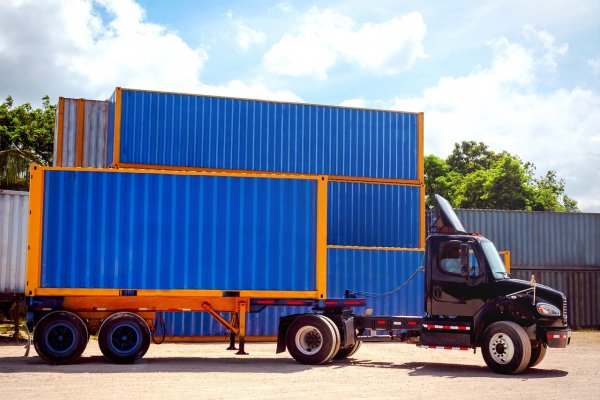
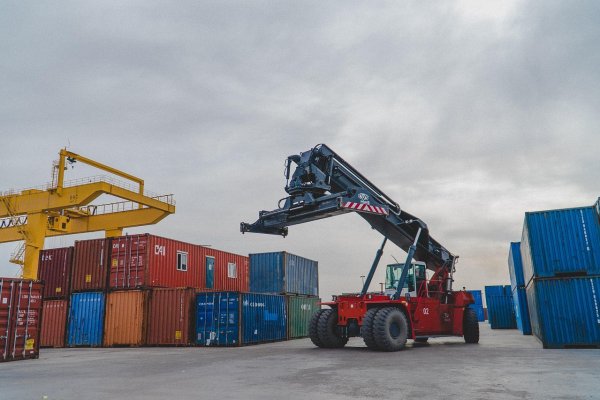
- Container unloading capabilities with proper equipment
- Customs bonded warehouse status for tax-deferred storage
- Quality inspection areas for checking incoming shipments
- Repackaging and labeling services for retail compliance
- Integration capabilities with international freight forwarders
Many businesses discover that partnering with a third-party logistics provider through directories like www.search3pl.com offers access to warehouses already equipped for import operations, saving significant setup time and investment.
Location Strategy for Import Warehousing
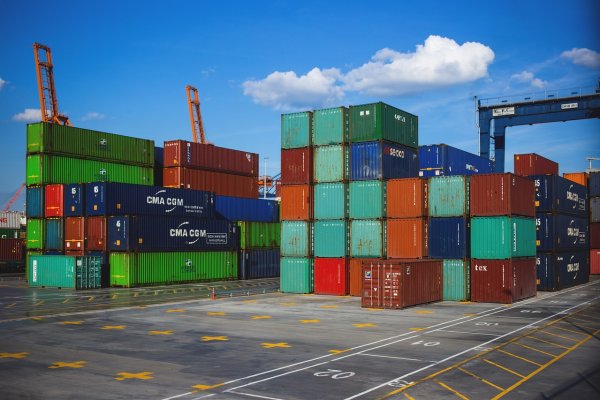
The location of your warehouse significantly impacts both operational efficiency and costs. For businesses heavily focused on imports, proximity to ports of entry becomes a primary consideration.
Port Proximity Considerations
If you're shipping from China or other Asian markets, warehouses near major port cities offer distinct advantages:
- Reduced drayage costs: Shorter distances from port to warehouse mean lower transportation expenses for containers
- Faster clearance: Being close to customs facilities can accelerate the release process
- Flexibility: Easier management of unexpected delays or inspections
- Better carrier options: Port-adjacent areas typically have more freight service providers competing for business
However, port proximity isn't the only factor. Consider where your end customers are located and how you'll distribute products once they clear customs.
Distribution Network Optimization
For businesses using Royal Mail or other domestic carriers for final-mile delivery, warehouse location relative to your customer base matters tremendously. A centrally located facility might offer better service levels even if it's farther from the port, as it reduces the distance to end consumers.
Utilizing Price Calculators for Cost Comparison
One of the most challenging aspects of finding a new warehouse is understanding the true cost of different options. Warehousing expenses involve numerous variables beyond the basic square footage rate.
Components of Warehousing Costs
A comprehensive price calculator should account for these common charges:
- Storage fees: Usually calculated per pallet or per cubic foot, often tiered by duration
- Receiving charges: Costs for unloading containers and checking in inventory
- Handling fees: Pick and pack charges for order fulfillment
- Special services: Kitting, labeling, quality inspections, returns processing
- Technology fees: Warehouse management system access and integration
- Shipping costs: Actual carrier charges for outbound shipments
Many third-party logistics providers now offer online price calculators that allow you to input your specific parameters and receive instant estimates. These tools have revolutionized the warehouse selection process, making it possible to compare multiple facilities without lengthy RFP processes.
Hidden Costs to Consider
Beyond the obvious fees, watch for these potential hidden costs:
- Minimum monthly charges that might exceed your actual usage
- Fuel surcharges that fluctuate with market conditions
- Peak season surcharges during high-volume periods
- Insurance requirements and liability coverage
- Technology integration costs for connecting your systems
A detailed price calculator helps reveal these costs upfront, preventing unpleasant surprises after you've committed to a facility.
Royal Mail Integration and Domestic Shipping
For businesses targeting UK consumers, Royal Mail integration capabilities should factor prominently in your warehouse selection criteria. Not all warehouses offer the same level of carrier integration or shipping expertise.
Carrier Relationship Benefits
Warehouses with established Royal Mail relationships typically offer:
- Preferential shipping rates due to volume discounts
- Streamlined label generation and tracking integration
- Scheduled pickups that ensure same-day dispatch
- Expertise in Royal Mail service levels and delivery standards
- Better handling of exceptions and delivery issues
These advantages become particularly valuable during peak periods when postal services experience heavy volume. A warehouse with strong carrier relationships can often maintain service levels when others struggle.
Multi-Carrier Flexibility
While Royal Mail might be your primary carrier, ensure your warehouse can also work with alternative carriers. This flexibility allows you to optimize shipping costs based on destination, package size, and delivery speed requirements.
Managing the China Import Pipeline
Successfully shipping from China to your warehouse requires coordination across multiple parties and processes. Your warehouse choice can either facilitate or complicate this supply chain.
Communication and Visibility
Modern warehouses should provide:
- Real-time inventory visibility through cloud-based systems
- Automated notifications when shipments arrive and clear customs
- Integration with your freight forwarders and customs brokers
- Detailed receiving reports with discrepancy documentation
- Forecasting tools that help plan for incoming shipments
This transparency becomes invaluable when managing long lead times inherent in China imports, allowing you to make informed decisions about inventory levels and sales promotions.
Quality Control Capabilities
When importing from China, quality control at the warehouse level provides an essential safety net. Look for facilities offering:
- Inspection services for incoming containers
- Photo documentation of product condition
- Segregation of damaged or non-conforming goods
- Returns processing and disposition services
These services help catch issues before products reach customers, protecting your brand reputation and reducing return rates.
Making the Final Decision
After researching locations, running cost comparisons through price calculators, and evaluating service capabilities, you'll likely have a shortlist of potential warehouses.
Site Visits and Due Diligence
Never commit to a warehouse without visiting in person. During your visit, assess:
- Overall cleanliness and organization of the facility
- Security measures including cameras, access controls, and fencing
- Technology infrastructure and system capabilities
- Staff professionalism and knowledge
- Current client testimonials and references
Trust your instincts—if something feels off during the visit, it's worth investigating further before signing a contract.
Contract Flexibility
Given the dynamic nature of importing and e-commerce, negotiate for reasonable contract flexibility. Look for:
- Shorter initial terms with renewal options
- Scalability provisions for adding space as you grow
- Reasonable termination clauses if the relationship doesn't work
- Clear service level agreements with performance guarantees
Leveraging Technology for Warehouse Selection
The process of finding a new warehouse has been dramatically simplified by technology platforms. Directories like www.search3pl.com aggregate information about hundreds of warehousing providers, allowing you to filter by location, services, and specialization.
These platforms typically include built-in price calculators, customer reviews, and direct comparison tools that would have taken weeks or months to compile manually. They've democratized access to warehousing solutions, giving smaller importers the same selection tools previously available only to large corporations.
Conclusion
Finding the right warehouse for your import business is a complex but manageable process when approached systematically. By clearly defining your requirements—particularly around import volumes from China, domestic shipping through carriers like Royal Mail, and budget constraints—you can narrow your options to facilities truly suited to your needs.
Leverage price calculators to understand the complete cost picture, prioritize warehouses with import expertise and strong carrier relationships, and don't rush the decision. The right warehouse partner becomes an extension of your business, directly impacting customer satisfaction, operational efficiency, and profitability. Taking time to find the perfect fit will pay dividends for years to come as your import business continues to grow and evolve.