Your Warehouse Can't Handle Imports Anymore. Now What?
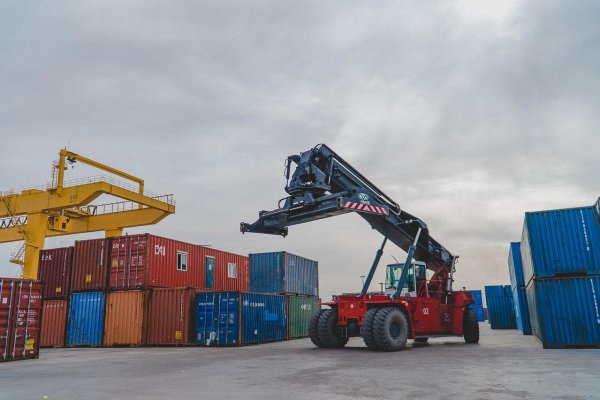
The signs are unmistakable: your warehouse is bursting at the seams, your team is overwhelmed, and your imports from China are piling up faster than you can process them. Perhaps your Amazon sales have exploded, or your DHL shipments are arriving with nowhere to go. Whatever the trigger, you've reached a critical juncture that thousands of e-commerce businesses face: it's time to find a new warehouse.
This decision isn't just about square footage. It's about finding a facility that can handle the complex demands of international imports, support your Amazon fulfillment operations, and scale with your business. Let's explore everything you need to know about finding the right warehouse for your growing import operations.
Why Your Current Warehouse Isn't Working Anymore
Before diving into the search for a new facility, it's crucial to understand why your current setup has become inadequate. The most common culprits include:
- Volume overload: Your imports from China have increased beyond your facility's capacity
- Location limitations: Your warehouse isn't strategically positioned near ports or major shipping hubs
- Technology gaps: Lack of proper warehouse management systems to handle complex inventory tracking
- Compliance issues: Inadequate customs documentation processes or regulatory compliance capabilities
- Amazon requirements: Your facility doesn't meet Amazon's strict receiving and preparation standards
Understanding these pain points will guide you toward the right solution. Many businesses discover that partnering with specialized third-party logistics providers through platforms like www.search3pl.com offers advantages their current facility simply cannot match.
The Import Warehouse Equation: What Makes a Facility Right for International Shipping
Not all warehouses are created equal, especially when dealing with imports. A facility handling domestic goods operates completely differently from one managing international shipments. Here's what separates the two:
Strategic Location Matters
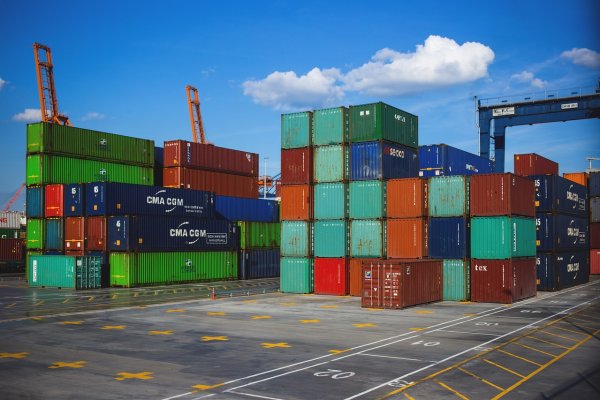
When shipping from China becomes a regular part of your business model, proximity to major ports and international shipping hubs becomes non-negotiable. Warehouses near Los Angeles/Long Beach ports, New York/Newark, or Seattle/Tacoma offer significant advantages for businesses receiving container shipments. Similarly, facilities near major airports benefit companies using DHL Express or other air freight services.
Time is money in logistics. Every day your goods sit waiting for transport from the port to your warehouse costs you money in storage fees and delays your ability to fulfill customer orders.
Customs and Compliance Capabilities
Importing goods requires navigating a complex web of customs regulations, duties, and documentation. The right warehouse should offer:
- Foreign Trade Zone (FTZ) capabilities to defer or reduce duty payments
- Experienced customs brokerage relationships
- Proper documentation systems for import compliance
- Understanding of Harmonized Tariff Schedule (HTS) codes
- Experience with specific product categories and their regulatory requirements
Amazon Integration and FBA Preparation
For sellers using Amazon as a primary sales channel, your warehouse needs to function as an extension of your Amazon operation. This means:
Amazon-compliant receiving and processing: Your warehouse must handle shipments according to Amazon's strict requirements, including proper labeling, packaging, and shipment creation.
FBA prep services: Many successful Amazon sellers need warehouses that can perform polybagging, bundling, labeling, and other prep services before sending inventory to Amazon fulfillment centers.
Multi-channel fulfillment: The ability to fulfill both Amazon orders and direct-to-consumer orders from other channels from the same inventory pool.
DHL and Carrier Relationships: Why They Matter
Your warehouse's relationships with carriers like DHL can dramatically impact your bottom line and operational efficiency. When evaluating potential facilities, investigate their carrier partnerships carefully.
Negotiated Shipping Rates
Established warehouses with high shipping volumes typically secure better rates with DHL and other carriers than you could negotiate independently. These savings compound quickly, especially when shipping from China regularly or sending products to Amazon fulfillment centers nationwide.
Multiple Carrier Options
Don't put all your eggs in one basket. The best warehouses maintain relationships with multiple carriers, allowing them to choose the most cost-effective option for each shipment. This flexibility becomes crucial during peak seasons when carrier capacity constraints can cause delays and price spikes.
The China Import Workflow: How Your New Warehouse Should Handle It
Understanding the typical workflow for goods shipping from China helps you evaluate whether a potential warehouse can meet your needs:
- Pre-arrival notification: Your warehouse receives advance shipping notices when goods leave China
- Port or airport receipt: Containers or air freight pallets arrive at US entry points
- Customs clearance: Documents are processed and duties paid
- Drayage coordination: Transport arranged from port to warehouse
- Receipt and inspection: Goods verified against purchase orders
- Quality control: Products inspected for damage or defects
- Inventory allocation: Stock assigned to sales channels (Amazon, Shopify, etc.)
- Value-added services: Labeling, kitting, or other preparation as needed
- Distribution: Shipment to Amazon FBA or direct to customers
Each step requires specific expertise and systems. A warehouse that excels at domestic distribution might stumble badly when managing imports.
Questions to Ask When Evaluating New Warehouses
Armed with knowledge about what makes an import-capable warehouse effective, here are the critical questions to ask potential partners:
Import Experience and Volume
- What percentage of your clients import from China?
- How many container shipments do you process monthly?
- Do you have experience with my product category?
- Can you provide references from similar businesses?
Technology and Integration
- What warehouse management system do you use?
- How does your system integrate with Amazon Seller Central?
- Can I access real-time inventory data?
- What reporting capabilities do you offer?
Services and Capabilities
- Do you offer FBA prep services?
- What value-added services are available (kitting, bundling, etc.)?
- Can you handle product inspections?
- Do you offer photography or content creation services?
Pricing and Contracts
- How do you structure your pricing (per pallet, per unit, hybrid)?
- What are your minimum volume requirements?
- Are there setup fees or hidden costs?
- What contract terms do you require?
The 3PL Alternative: Why Outsourcing Might Beat Building
Many businesses assume they need to lease and operate their own warehouse space. However, partnering with a third-party logistics provider (3PL) often provides superior results at lower costs.
3PLs specialize in exactly what you need: receiving imports, managing inventory, preparing shipments for Amazon, and coordinating with carriers like DHL. They've already made the technology investments, negotiated the carrier rates, and developed the expertise your business requires.
The flexibility is equally valuable. As your import volumes fluctuate seasonally, a 3PL scales with you—no long-term real estate commitments or staffing headaches. When searching for the right partner, directories like www.search3pl.com allow you to compare multiple providers' capabilities and pricing efficiently.
Making the Transition: Steps to Success
Once you've selected your new warehouse or 3PL partner, proper planning ensures a smooth transition:
- Create a detailed transition timeline: Allow adequate time for setup and testing before committing fully
- Test with partial inventory: Start with a product line or portion of inventory before moving everything
- Coordinate with your China suppliers: Update shipping instructions well in advance of new shipments
- Update Amazon configurations: Adjust your shipping plans and warehouse locations in Seller Central
- Communicate with customers: Prepare for any service disruptions during the transition
- Monitor closely: Watch KPIs carefully during the first 60 days to catch issues early
Conclusion: Your Warehouse Shapes Your Future
Finding a new warehouse isn't just about solving today's capacity problem—it's about positioning your business for sustainable growth. As imports from China continue to dominate e-commerce inventory sourcing, and platforms like Amazon set increasingly demanding fulfillment expectations, your warehouse capabilities become a competitive advantage or disadvantage.
The right facility or 3PL partnership transforms your logistics from a bottleneck into a growth engine. It reduces costs through better carrier relationships like DHL's volume rates, speeds up your cash conversion cycle by getting products to market faster, and frees your team to focus on what you do best: growing your business.
Don't wait until your current situation becomes a crisis. Start exploring your options now, ask the right questions, and choose a warehouse partner that can scale with your ambitions. Your future success depends on the logistics foundation you build today.