Your 3PL Choice Could Make or Break Your UK Business

In the complex landscape of international trade and e-commerce fulfilment, selecting the right third-party logistics (3PL) provider can mean the difference between seamless operations and costly disasters. For businesses importing goods into the UK, particularly through major ports like Southampton, the stakes have never been higher. With Brexit complications, increased quality control requirements, and the demand for real-time inventory visibility, comparing 3PLs has become more critical than ever.
This comprehensive guide explores the essential factors you must consider when evaluating 3PL providers, with specific focus on warehouse management systems (WMS), UK import capabilities, Southampton port proximity, and quality control measures that protect your brand reputation.
The Critical Role of WMS in Modern 3PL Operations
A warehouse management system isn't just a nice-to-have feature—it's the technological backbone that determines whether your 3PL partner can deliver the accuracy, speed, and transparency your business demands in today's competitive marketplace.
What Makes a WMS Essential?
When comparing 3PL providers, the sophistication of their WMS should rank among your top priorities. A robust warehouse management system provides:
- Real-time inventory visibility across multiple locations and sales channels
- Automated order processing that reduces human error and speeds fulfilment
- Barcode scanning and tracking for complete product traceability
- Integration capabilities with your e-commerce platforms, marketplaces, and ERP systems
- Advanced reporting and analytics that inform strategic business decisions
- Returns management functionality that streamlines reverse logistics
The difference between a basic WMS and an advanced system can be staggering. Basic systems might simply track what's in stock, while sophisticated platforms provide predictive analytics, optimize picking routes to reduce fulfilment time, and automatically trigger reorder points based on sales velocity and seasonality patterns.
Questions to Ask About WMS Capabilities
When evaluating potential 3PL partners, don't accept vague assurances about their technology. Ask specific questions:
- What WMS platform do you use, and how frequently is it updated?
- Can I access real-time inventory data through a client portal or API?
- How does your WMS handle multi-channel inventory allocation?
- What level of customization is available for reporting and workflows?
- How does your system manage FIFO (First In, First Out) or batch tracking for products with expiration dates?
The answers to these questions will reveal whether a 3PL's technology infrastructure can support your current needs and scale with your growth.
Navigating UK Import Complexities with the Right 3PL
Importing goods into the UK has become significantly more complex since Brexit, with new customs declarations, compliance requirements, and potential delays at borders. Your choice of 3PL partner can either smooth these complications or amplify them into serious operational headaches.
Essential UK Import Services
A 3PL provider specializing in UK imports should offer comprehensive services that go beyond simple warehousing:
- Customs clearance expertise including classification, valuation, and documentation
- Bonded warehouse facilities that allow duty deferment until goods are sold
- Import VAT management and postponed accounting support
- Compliance monitoring to ensure adherence to UK regulations and product standards
- Freight forwarding coordination from origin to final destination
- Documentation management for commercial invoices, packing lists, and certificates of origin
The most capable 3PLs maintain relationships with customs brokers, freight forwarders, and regulatory bodies, creating a network that accelerates your import process while minimizing risk. When you're comparing options on platforms like www.search3pl.com, prioritize providers with proven UK import expertise and client testimonials that specifically mention customs clearance efficiency.
Brexit-Related Considerations
Post-Brexit logistics require specialized knowledge. Your 3PL should demonstrate understanding of:
- Rules of origin and preferential tariff arrangements
- UKCA marking requirements for certain product categories
- Safety and security declarations
- Import licensing for restricted goods
A 3PL that hasn't adapted to Brexit realities will cause delays, unexpected costs, and compliance issues that could damage your business relationships and bottom line.
The Southampton Advantage: Strategic Port Proximity
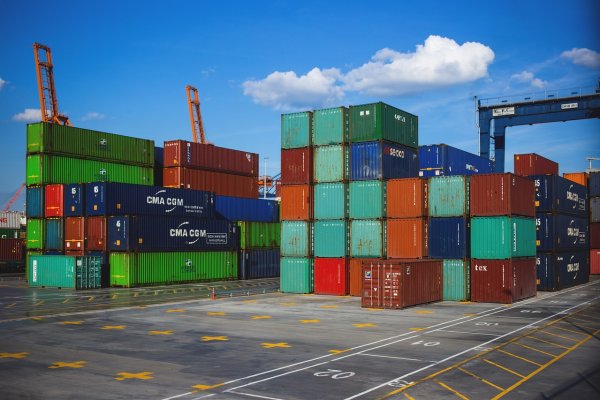
Location matters enormously in logistics, and Southampton's position as the UK's premier container port makes it a strategic choice for import-focused businesses.
Why Southampton-Based 3PLs Offer Competitive Advantages
Southampton handles approximately 40% of the UK's containerized trade, with excellent connections to major shipping routes from Asia, Europe, and the Americas. Partnering with a 3PL near Southampton provides several concrete benefits:
- Reduced drayage costs by minimizing the distance between port and warehouse
- Faster container devanning and inventory availability after vessel arrival
- Lower carbon footprint from shorter transportation distances
- Better visibility into arriving shipments through port relationships
- Flexibility in deconsolidation and immediate quality control inspection
The time savings alone can be substantial. A container arriving at Southampton can be unloaded, inspected, and inventory uploaded to your sales channels within 24-48 hours when working with a nearby 3PL, compared to potentially a week or more if goods must be transported to distant warehouses.
Southampton Infrastructure and Accessibility
Beyond the port itself, Southampton offers excellent transportation links via the M27 and M3 motorways, providing efficient distribution routes to London, the Southeast, and beyond. Rail connections also enable cost-effective transportation for larger volumes moving to other UK regions.
When comparing 3PLs, ask about their proximity to Southampton and their established relationships with port operators, customs facilities, and container hauliers. These connections translate directly into operational efficiency for your business.
Quality Control: The Non-Negotiable Standard
Perhaps nothing impacts your brand reputation more directly than the quality of products reaching your customers. While you might assume all 3PLs perform basic quality checks, the reality varies dramatically across providers.
Comprehensive Quality Control Programs
Elite 3PL providers implement multi-stage quality control processes that protect your business at every touchpoint:
- Receiving inspection that verifies shipment accuracy against purchase orders
- Visual product inspection to identify damage, defects, or discrepancies
- Quantity verification through systematic counting and reconciliation
- Photographic documentation of issues or discrepancies
- Functionality testing for products requiring assembly or power-on checks
- Pre-shipment inspection before orders leave the warehouse
- Returns assessment to categorize items for restocking, repair, or disposal
For imported goods, quality control becomes even more critical. Products shipped internationally may experience rough handling, temperature fluctuations, or moisture exposure. Identifying issues immediately upon arrival—rather than after shipping to customers—saves money, preserves customer satisfaction, and prevents negative reviews that damage your brand.
Customizable QC Protocols
Different products require different quality standards. Electronics need different handling than apparel; food products have different requirements than industrial parts. The best 3PLs offer customizable quality control protocols tailored to your specific products and industry standards.
When evaluating potential partners, request details about:
- Standard QC procedures and how they can be customized
- Staff training programs related to quality management
- Technology used to document and report quality issues
- How quickly you're notified of quality problems
- Options for additional inspection services for high-value or sensitive products
Integrated Excellence: When All Factors Align
The most powerful 3PL partnerships emerge when advanced WMS technology, UK import expertise, strategic Southampton location, and rigorous quality control converge into a seamless operation.
The Synergy Effect
Consider how these elements work together: Your container arrives at Southampton port. Your 3PL's established port relationships expedite container release. The goods are immediately transported to a nearby warehouse where quality control inspectors—guided by your customized protocols—thoroughly examine products while the WMS simultaneously processes receiving data. Within hours, your inventory is visible across all sales channels, and orders begin flowing for fulfilment.
This integrated approach compresses timelines, reduces costs, and minimizes risk at every stage. Compare this with a disjointed scenario where goods arrive at one location, get transported to a distant warehouse, sit awaiting processing due to inefficient systems, and only undergo cursory inspection before reaching customers.
Building a Comparison Framework
When using resources like www.search3pl.com to identify potential partners, develop a systematic comparison framework:
- Create a weighted scorecard that reflects your priorities across WMS capabilities, import services, location, and quality control
- Request detailed proposals that address specific scenarios relevant to your business
- Conduct site visits to observe operations firsthand and meet the team who'll handle your products
- Ask for client references in similar industries or with comparable import volumes
- Review service level agreements carefully, paying attention to performance metrics and remedies for failures
- Evaluate scalability to ensure the 3PL can grow with your business
The Cost of Getting It Wrong
Choosing the wrong 3PL partner creates cascading problems that extend far beyond logistics. Delayed shipments translate to lost sales and disappointed customers. Quality issues that reach consumers generate returns, negative reviews, and damaged brand perception. Customs problems can result in fines, confiscated goods, and compliance complications.
The financial impact compounds over time. What might seem like minor inefficiencies—an extra day in processing, occasional inventory inaccuracies, periodic quality oversights—accumulate into significant costs and competitive disadvantages.
Making Your Decision With Confidence
Comparing 3PLs requires thorough due diligence, but the investment of time pays enormous dividends. The right partner becomes an extension of your team, enabling growth, improving customer satisfaction, and freeing you to focus on core business activities rather than logistics headaches.
Prioritize providers who demonstrate excellence across all critical dimensions: advanced WMS technology that provides visibility and automation, proven expertise navigating UK import complexities, strategic proximity to Southampton for efficient container processing, and comprehensive quality control that protects your brand with every shipment.
In today's competitive marketplace, your 3PL relationship isn't just about warehousing and shipping—it's a strategic partnership that directly impacts your ability to deliver exceptional customer experiences, manage costs effectively, and scale your business sustainably. Choose wisely, and your 3PL becomes a powerful competitive advantage rather than a operational liability.