
Warehouse Solutions: Mastering B2B Logistics from China to Amazon
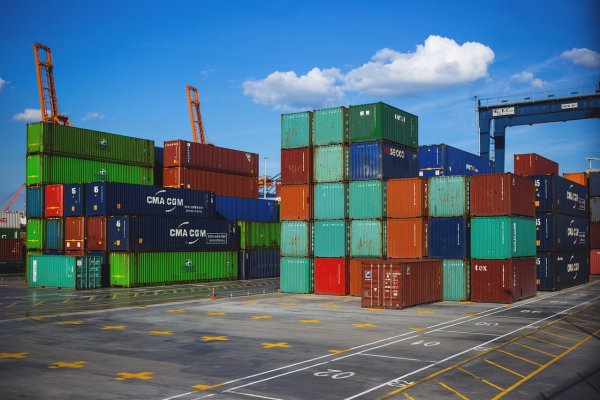
In today's rapidly evolving global marketplace, businesses face unprecedented challenges in managing their supply chains efficiently. The intersection of B2B commerce, international shipping from China, and Amazon's massive fulfillment network has created both opportunities and complexities that demand strategic warehouse solutions. Understanding how to navigate these interconnected elements can mean the difference between thriving profitability and struggling margins.
The Strategic Role of Warehousing in Modern B2B Operations
Warehousing has evolved far beyond simple storage facilities. Modern warehouses serve as strategic hubs that orchestrate complex supply chain operations, particularly for B2B companies managing relationships with multiple clients and fulfillment channels. For businesses importing products from China and selling through Amazon or direct B2B channels, the warehouse becomes the critical nexus where cost reduction meets operational excellence.
The transformation of warehouse operations reflects broader changes in global commerce. B2B buyers now expect the same speed and reliability that Amazon has trained consumers to demand. This shift requires warehouses to function with unprecedented precision, managing inventory across multiple channels while maintaining the flexibility to adapt to rapidly changing market conditions.
Key Functions of Strategic Warehousing
- Inventory consolidation: Receiving shipments from multiple Chinese manufacturers and organizing them efficiently
- Quality control: Inspecting products before they reach customers or Amazon fulfillment centers
- Value-added services: Kitting, bundling, labeling, and customization to meet specific B2B or Amazon requirements
- Distribution management: Coordinating shipments to various B2B clients and Amazon warehouses
- Returns processing: Managing reverse logistics efficiently to minimize losses
Cost Reduction Strategies Through Intelligent Warehousing
Cost reduction remains a primary concern for B2B businesses, especially when managing international supply chains. Strategic warehouse placement and management can dramatically impact your bottom line through multiple avenues.
Optimizing Shipping Costs from China
When importing products from China, consolidating shipments at a strategically located warehouse offers substantial savings. Rather than shipping small quantities directly to multiple B2B customers or Amazon fulfillment centers, businesses can:
- Consolidate multiple orders into larger, more economical shipments from China
- Reduce per-unit shipping costs through economies of scale
- Minimize customs clearance fees by processing fewer, larger shipments
- Negotiate better freight rates with consistent, predictable shipping volumes
A well-positioned warehouse near major ports can receive consolidated shipments from China, then redistribute products domestically at significantly lower costs than international shipping for each individual order.
Inventory Management and Carrying Costs
Effective warehouse management directly impacts inventory carrying costs, which typically represent 20-30% of inventory value annually. Smart warehousing strategies reduce these costs through:
- Accurate demand forecasting that prevents overstocking
- Just-in-time inventory practices that minimize storage duration
- Efficient space utilization that reduces facility costs per unit
- Technology integration that prevents inventory shrinkage and loss
For businesses utilizing platforms like www.search3pl.com, comparing different warehouse providers reveals significant cost variations based on location, technology capabilities, and service offerings. The right warehouse partner can reduce total logistics costs by 15-25% while improving service levels.
Navigating the Complexities of Shipping from China
China remains the manufacturing powerhouse for countless B2B businesses, but shipping from China presents unique challenges that proper warehousing can address effectively.
Managing Lead Times and Inventory Flow
Ocean freight from China typically requires 3-5 weeks, creating lengthy supply chain timelines that complicate inventory planning. A domestic warehouse serves as a buffer inventory location, allowing businesses to maintain consistent availability for B2B clients and Amazon without the delays of international shipping.
This approach offers several advantages:
- Faster response to unexpected demand spikes
- Reduced stockout risks that damage B2B relationships
- Ability to offer shorter delivery commitments to customers
- Improved cash flow through more predictable inventory cycles
Quality Control and Compliance
Products arriving from China require thorough inspection before distribution. A dedicated warehouse operation provides the controlled environment necessary for:
- Systematic quality inspections that catch defects before reaching customers
- Compliance verification for regulatory requirements
- Proper labeling and documentation for B2B and Amazon channels
- Quarantine procedures for suspect inventory
These quality control measures protect your brand reputation and reduce costly returns, chargebacks, and customer dissatisfaction.
Integrating Warehouse Operations with Amazon's Ecosystem
For businesses leveraging Amazon as a B2B or B2C sales channel, warehouse operations must align with Amazon's specific requirements and standards. This integration presents both challenges and opportunities for cost optimization.
Amazon FBA Preparation and Optimization
Amazon's Fulfillment by Amazon (FBA) program requires products to meet strict preparation standards. A strategically managed warehouse can handle these preparations more cost-effectively than doing them in-house or relying on multiple specialists:
- FNSKU labeling and barcode application
- Poly bagging and bubble wrapping according to Amazon specifications
- Case pack configurations optimized for Amazon's requirements
- Shipment planning that maximizes efficiency and minimizes Amazon receiving delays
By consolidating these services in one warehouse operation, businesses reduce handling costs and improve accuracy, leading to better inventory placement scores and reduced Amazon fees.
Multi-Channel Distribution Strategy
Many successful B2B companies sell through both Amazon and direct channels. A well-designed warehouse operation supports this multi-channel approach by maintaining unified inventory that can serve all channels efficiently. This strategy prevents the costly duplication of inventory across multiple locations while maintaining the flexibility to shift products between channels based on demand.
When comparing fulfillment options through resources like www.search3pl.com, businesses should prioritize providers who demonstrate expertise in managing multi-channel inventory across both B2B direct shipments and Amazon fulfillment center transfers.
Technology-Driven Warehouse Efficiency
Modern warehouse operations leverage technology to drive both cost reduction and operational excellence. Key technologies transforming warehouse efficiency include:
Warehouse Management Systems (WMS)
A robust WMS provides real-time visibility into inventory levels, locations, and movement. For B2B operations managing both Chinese imports and Amazon distribution, WMS technology enables:
- Automated inventory tracking from receipt through distribution
- Integration with Amazon Seller Central for seamless FBA management
- Advanced analytics for demand forecasting and inventory optimization
- Reduced labor costs through optimized picking and packing workflows
Automation and Robotics
While complete automation remains expensive for many operations, selective automation in high-volume areas can significantly reduce costs. Strategic automation investments might include automated sorting systems, conveyor networks, or robotic picking assistance for high-velocity SKUs.
Selecting the Right Warehouse Partner for Your B2B Business
Choosing the appropriate warehouse solution requires careful evaluation of multiple factors specific to your business model, product characteristics, and growth trajectory.
Critical Selection Criteria
When evaluating warehouse options for a B2B business shipping from China and selling through Amazon, consider:
- Geographic location: Proximity to ports for Chinese imports and Amazon fulfillment centers
- Scalability: Ability to expand capacity as your business grows
- Technology capabilities: Integration with your systems and Amazon's platform
- Value-added services: Range of preparation, kitting, and customization services offered
- Industry experience: Track record with B2B operations and Amazon compliance
- Cost structure: Transparent pricing that aligns with your volume and services needs
- References and reputation: Verified success with similar business models
The Path Forward: Building Supply Chain Resilience
As global commerce continues evolving, the warehouse function will only grow more critical to B2B success. Businesses that view warehousing as a strategic asset rather than a necessary expense position themselves to capitalize on emerging opportunities while managing costs effectively.
The integration of Chinese manufacturing, strategic warehousing, and Amazon's distribution network creates a powerful framework for B2B growth. Companies that master this integration achieve competitive advantages through lower costs, faster delivery, and superior customer service.
The journey toward supply chain optimization begins with honest assessment of current capabilities and strategic planning for future needs. Whether you're just beginning to import from China, expanding your Amazon presence, or scaling your B2B operations, the right warehouse strategy serves as the foundation for sustainable, profitable growth in an increasingly complex global marketplace.
By focusing on cost reduction through intelligent warehousing, leveraging technology for operational efficiency, and maintaining flexibility across multiple sales channels, B2B businesses can navigate the complexities of modern commerce with confidence and competitiveness.


