
Warehouse Secrets: Royal Mail & Cross Docking Exposed!
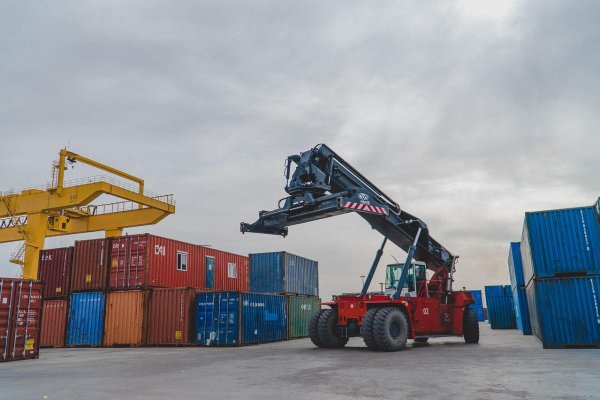
The modern warehouse has evolved far beyond simple storage facilities. Today's sophisticated distribution centers are technological marvels that seamlessly integrate with carriers like Royal Mail, handle complex packaging requirements, manage UK imports with precision, and employ advanced techniques like cross docking to maximize efficiency. Understanding these interconnected operations is crucial for any business looking to compete in today's fast-paced e-commerce landscape.
The Evolution of Modern Warehouse Operations
Gone are the days when warehouses were merely static storage locations where goods gathered dust until someone needed them. Contemporary warehouses function as dynamic distribution hubs that keep products moving continuously through the supply chain. These facilities have become command centers where technology, logistics expertise, and strategic partnerships converge to create competitive advantages for businesses of all sizes.
The warehouse sector has experienced tremendous growth, particularly in the UK, where e-commerce expansion and Brexit-related import changes have created new challenges and opportunities. Modern facilities now incorporate sophisticated warehouse management systems (WMS), automated picking technologies, real-time inventory tracking, and integrated carrier systems that work in concert to reduce costs and improve delivery times.
Royal Mail Integration: The UK's Postal Powerhouse
Royal Mail remains one of the most critical partners for UK warehouses, particularly for businesses serving domestic consumers. The integration between warehouse operations and Royal Mail's extensive network creates significant advantages for e-commerce fulfillment.
Strategic Royal Mail Partnerships
Leading warehouse operators have developed deep integrations with Royal Mail's systems, enabling:
- Automated label generation directly from warehouse management systems
- Real-time tracking updates that feed back into inventory and order management platforms
- Bulk collection services that reduce per-item shipping costs
- Access to specialized services like Tracked 24, Tracked 48, and Special Delivery
- Consolidated invoicing that simplifies financial management
These partnerships become particularly valuable during peak seasons when order volumes surge. Warehouses with established Royal Mail relationships can negotiate priority collection slots and access additional capacity that might not be available to smaller shippers.
Packaging for Royal Mail Specifications
Royal Mail maintains specific requirements for packaging dimensions, weight limits, and labeling standards. Professional warehouse operations ensure compliance with these standards while optimizing packaging to minimize costs. This includes selecting appropriate box sizes, using efficient cushioning materials, and applying labels in precise locations to facilitate automated sorting at Royal Mail facilities.
The coordination between warehouse packaging stations and Royal Mail requirements represents a critical efficiency point. When executed properly, it ensures packages move smoothly through both the warehouse and postal network without delays or additional handling charges.
Packaging Excellence in Warehouse Operations
Packaging serves multiple critical functions in warehouse operations beyond simply protecting products during transit. It represents brand image, affects shipping costs, influences environmental sustainability, and impacts customer satisfaction.
The Strategic Importance of Packaging
Modern warehouses approach packaging as a strategic operation rather than a simple final step. Key considerations include:
- Right-sizing boxes to minimize dimensional weight charges
- Selecting eco-friendly materials that align with corporate sustainability goals
- Incorporating branded elements that enhance unboxing experiences
- Using protective materials appropriate for product fragility
- Implementing quality control checks to prevent damage during shipment
Packaging Stations and Workflow Design
Efficient warehouses design packaging stations with ergonomics and speed in mind. These stations typically include easy access to various box sizes, cushioning materials, tape dispensers, and label printers. The physical layout minimizes unnecessary movement and allows packers to complete orders quickly without sacrificing quality.
Advanced facilities even employ automated packaging systems that can create custom-sized boxes for each order, dramatically reducing material waste and shipping costs while increasing throughput capacity.
Managing UK Imports Through Warehouse Operations
The post-Brexit landscape has made UK import management more complex, with new customs requirements, documentation needs, and compliance obligations. Warehouses have adapted by developing specialized import handling capabilities.
Customs Clearance and Documentation
Professional warehouse operators often partner with customs brokers or maintain in-house expertise to facilitate smooth import clearance. This includes:
- Managing commercial invoices and customs declarations
- Ensuring proper commodity code classification
- Calculating and collecting appropriate duties and VAT
- Maintaining compliance with product-specific regulations
- Coordinating with HMRC and border authorities
Many warehouses near major UK ports have become specialists in import receiving, offering services that bridge the gap between international shipping and domestic distribution. When searching for the right fulfillment partner on platforms like www.search3pl.com, import handling capabilities should be a key consideration for businesses sourcing products internationally.
Bonded Warehouse Facilities
Some UK warehouses operate as bonded facilities, allowing goods to be stored without immediately paying import duties and VAT. This provides significant cash flow advantages for businesses, as duties only become payable when products are released for domestic sale. Bonded warehouses must maintain strict inventory controls and reporting to HMRC, but the financial benefits often justify the additional complexity.
Cross Docking: The Ultimate Efficiency Strategy
Cross docking represents one of the most efficient warehouse strategies, where products are received and immediately shipped out with minimal or no storage time. This approach dramatically reduces handling costs, storage fees, and delivery times.
How Cross Docking Works
In a cross docking operation, incoming shipments are unloaded at receiving docks, sorted by final destination, and moved directly to outbound shipping docks—often within hours or even minutes. Products never enter long-term storage, instead flowing continuously through the facility.
This strategy requires precise coordination between inbound and outbound logistics, advanced scheduling systems, and real-time communication with suppliers and carriers. When executed properly, cross docking delivers substantial benefits:
- Reduced storage costs by eliminating warehousing time
- Faster delivery to end customers
- Lower handling expenses with fewer touch points
- Decreased inventory carrying costs
- Reduced risk of product damage from repeated handling
- Improved inventory turnover rates
Cross Docking for UK Imports
Cross docking becomes particularly valuable for import operations where products arrive at UK ports and need rapid distribution to regional destinations. Rather than moving imports to a central warehouse for storage, cross docking facilities can receive containers, complete customs clearance, sort products by region or customer, and immediately load them onto Royal Mail or courier vehicles for final delivery.
This approach works especially well for pre-sold inventory where customer orders already exist before products arrive in the country. E-commerce businesses can time container arrivals with promotional campaigns, knowing that cross docking operations will enable rapid fulfillment once customs clearance completes.
Requirements for Successful Cross Docking
Not all products or businesses are suitable for cross docking. Success requires:
- Predictable demand patterns that allow accurate forecasting
- Strong supplier relationships ensuring reliable delivery schedules
- Advanced warehouse management systems with real-time visibility
- Established carrier partnerships for immediate outbound shipping
- Products that don't require extensive inspection, quality control, or repackaging
Integrating All Elements for Maximum Efficiency
The most sophisticated warehouse operations integrate Royal Mail partnerships, packaging expertise, import management, and cross docking strategies into cohesive systems that deliver competitive advantages. This integration requires technology platforms that provide visibility across all operations, from the moment containers arrive at UK ports through final delivery confirmation from Royal Mail.
Technology as the Enabler
Modern warehouse management systems serve as the central nervous system coordinating these various operations. These platforms connect with customs systems for import documentation, carrier APIs for Royal Mail integration, packaging stations for label generation, and cross docking terminals for routing decisions.
Real-time data flows through these systems, enabling warehouse managers to make informed decisions about resource allocation, identify bottlenecks before they impact service levels, and continuously optimize operations for cost and speed.
Choosing the Right Warehouse Partner
For businesses evaluating warehouse and fulfillment options, the integration of these capabilities should be a primary consideration. The right partner should demonstrate expertise in Royal Mail integration, maintain efficient packaging operations, offer import handling services if you source internationally, and provide cross docking capabilities when appropriate for your business model.
Comparing multiple providers through resources like www.search3pl.com allows businesses to evaluate capabilities, pricing, and service levels across the competitive landscape. Look for warehouses that don't just offer these services individually but have integrated them into streamlined workflows that deliver measurable efficiency gains.
The Future of Warehouse Operations
Warehouse operations continue evolving rapidly, with emerging technologies like artificial intelligence, robotics, and Internet of Things sensors creating new possibilities for efficiency. The fundamental principles remain constant: minimize handling, reduce storage time, integrate carrier systems, and maintain packaging quality. However, the tools available to achieve these goals become more sophisticated each year.
Businesses that partner with forward-thinking warehouse operators position themselves to benefit from these innovations without making massive capital investments in facilities and technology. The warehouse industry's continued evolution ensures that strategic distribution capabilities will remain a key competitive differentiator for successful e-commerce and retail businesses.
Conclusion
Modern warehouse operations represent far more than simple storage—they're sophisticated distribution engines that integrate carrier partnerships like Royal Mail, optimize packaging for cost and customer experience, manage complex import requirements, and employ advanced strategies like cross docking to maximize efficiency. Understanding these interconnected capabilities helps businesses make informed decisions about fulfillment partnerships that directly impact customer satisfaction, operational costs, and competitive positioning in today's demanding marketplace.


