
Warehouse Revolution: The Shocking Truth About Modern Logistics
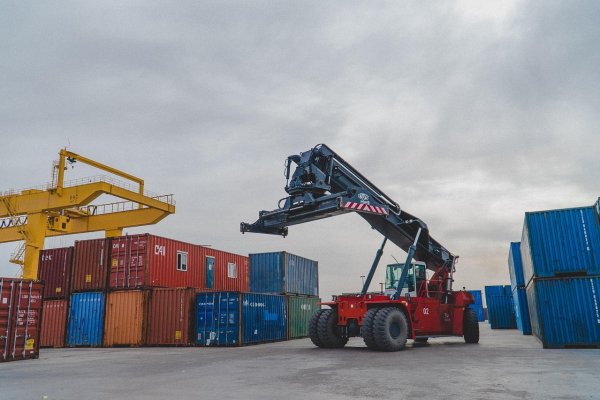
The warehouse industry is experiencing a transformative revolution that few anticipated just a decade ago. From cutting-edge Warehouse Management Systems (WMS) to unprecedented sustainability initiatives and evolving international trade patterns between the UK and USA, modern warehousing has become a complex, technology-driven ecosystem. This transformation isn't just changing how products move through supply chains—it's fundamentally reshaping global commerce.
The Digital Transformation: WMS Software Takes Center Stage
Warehouse Management Systems have evolved from simple inventory tracking tools into sophisticated platforms that orchestrate every aspect of warehouse operations. Today's WMS software represents the nervous system of modern logistics, coordinating everything from receiving and putaway to picking, packing, and shipping with unprecedented precision.
Core Capabilities of Modern WMS
Contemporary WMS platforms offer capabilities that would have seemed like science fiction just years ago. These systems now integrate seamlessly with robotics, utilize artificial intelligence for predictive analytics, and provide real-time visibility across entire supply chains.
- Real-time inventory tracking with RFID and barcode integration
- Automated order processing that reduces human error by up to 95%
- Labor management modules that optimize workforce productivity
- Advanced analytics for demand forecasting and space utilization
- Multi-channel integration supporting e-commerce, retail, and B2B operations
- Mobile compatibility enabling warehouse workers to access critical data anywhere
The implementation of sophisticated WMS software has become particularly crucial for operations handling international imports, where regulatory compliance, customs documentation, and complex routing requirements demand meticulous attention to detail. Companies using platforms like www.search3pl.com can identify 3PL partners with the advanced WMS capabilities necessary for managing complex international logistics.
The ROI Reality of WMS Implementation
While the initial investment in WMS software can seem substantial, the return on investment typically materializes within 12-18 months. Companies report average improvements of 25-30% in picking accuracy, 20% reduction in labor costs, and 15% improvement in space utilization. For warehouses handling high volumes of UK imports into the USA market, these efficiency gains translate directly to competitive advantages.
Navigating the UK-USA Import Landscape
The relationship between UK exporters and USA importers remains one of the most significant trade corridors globally, despite recent geopolitical shifts. Modern warehouses serving this corridor face unique challenges that require specialized knowledge and infrastructure.
Post-Brexit Import Dynamics
Since Brexit, importing from the UK to the USA has required renewed attention to documentation, compliance, and logistics planning. Warehouses specializing in UK imports have had to adapt their processes to accommodate new customs procedures and regulatory frameworks.
Key considerations for warehouses handling UK imports include:
- Customs clearance optimization: Advanced preparation of documentation to minimize delays
- Tariff classification expertise: Proper HS code assignment to ensure compliance and cost efficiency
- Quality control protocols: Enhanced inspection procedures for imported goods
- Temperature-controlled storage: Critical for food, pharmaceutical, and chemical imports from the UK
- Value-added services: Relabeling, repackaging, and customization for USA market requirements
The Strategic Value of East Coast Warehousing
For UK imports, East Coast warehouse facilities offer strategic advantages in terms of proximity to major ports like New York, New Jersey, Savannah, and Charleston. These locations minimize inland transportation costs and enable faster distribution to major USA population centers. Strategic warehouse positioning can reduce total landed costs by 10-15% compared to distant inland facilities.
The Sustainability Imperative in Modern Warehousing
Perhaps no trend has gained more momentum than the push toward sustainable warehouse operations. Both consumer pressure and corporate responsibility initiatives are driving unprecedented investment in green warehouse technologies and practices across the USA.
Energy Efficiency and Renewable Power
Modern warehouses are increasingly incorporating renewable energy solutions, with solar panels becoming a standard feature on warehouse rooftops across the USA. The expansive roof space typical of warehouse facilities makes them ideal candidates for solar energy generation.
Leading warehouse operators report:
- 30-50% reduction in energy costs through solar installation
- LED lighting retrofits reducing energy consumption by 60-70%
- Smart HVAC systems cutting climate control costs by 25%
- Motion sensors and automated systems minimizing wasted energy
Sustainable Building Design and Materials
The next generation of warehouse facilities incorporates sustainability from the ground up. LEED certification has become increasingly common, with warehouses pursuing Gold and Platinum ratings through features like:
- Cool roofing materials that reduce heat absorption
- Rainwater harvesting systems for landscape irrigation
- Recycled and locally-sourced construction materials
- Natural lighting designs that reduce artificial lighting needs
- Electric vehicle charging infrastructure for warehouse fleets
Circular Economy and Waste Reduction
Sustainability extends beyond energy usage to encompass the entire operational lifecycle. Progressive warehouses have implemented zero-waste-to-landfill programs, achieving recycling rates exceeding 90% through comprehensive sorting and material recovery systems.
Packaging optimization represents another critical sustainability frontier. By working with suppliers to reduce packaging materials and implementing returnable container programs, warehouses can dramatically reduce their environmental footprint while also cutting costs.
The USA Warehouse Market: Trends and Opportunities
The USA warehouse market represents the largest and most sophisticated logistics infrastructure globally, with over 17 billion square feet of warehouse space nationwide. Recent trends reveal fundamental shifts in how this space is being utilized and where new development is occurring.
E-commerce's Continuing Impact
E-commerce growth continues to reshape warehouse demand patterns across the USA. The need for last-mile distribution centers closer to urban populations has created demand for smaller, strategically-located facilities to complement traditional large-scale distribution centers.
This multi-tiered approach typically includes:
- National distribution centers: 500,000+ square foot facilities in central locations
- Regional distribution centers: 200,000-500,000 square feet serving multi-state regions
- Local fulfillment centers: 50,000-150,000 square feet in suburban locations
- Urban micro-fulfillment: 10,000-30,000 square feet in metro areas for same-day delivery
Automation and Robotics Integration
USA warehouses lead globally in automation adoption, with investments in robotics and automated systems reaching record levels. From autonomous mobile robots (AMRs) to sophisticated goods-to-person systems, automation is addressing labor shortages while improving efficiency and accuracy.
The integration of automation with advanced WMS software creates synergies that multiply operational benefits. For businesses seeking warehouse partners with these capabilities, resources like www.search3pl.com provide comprehensive directories of 3PL providers with specific technology capabilities.
Integrating Technology, Sustainability, and Global Trade
The most successful modern warehouses don't view WMS software, sustainability, and international trade capabilities as separate initiatives—they recognize these as interconnected elements of a cohesive operational strategy.
The Convergence Point
Consider a warehouse handling UK imports for USA distribution: Advanced WMS software optimizes routing and inventory placement, reducing unnecessary movement and energy consumption. Sustainability initiatives like solar power reduce operating costs, improving competitiveness. Strategic location and customs expertise minimize import delays and costs.
This convergence creates competitive advantages that compound over time, positioning forward-thinking warehouse operators for long-term success in an increasingly competitive market.
Looking Forward: The Future of Warehousing
The warehouse industry stands at an inflection point where technology, sustainability, and global commerce intersect to create unprecedented opportunities and challenges. Success in this environment requires investment in advanced systems, commitment to environmental responsibility, and expertise in navigating complex international trade relationships.
For businesses seeking warehouse partnerships, the selection criteria have evolved beyond simple location and rate considerations. Technology capabilities, sustainability credentials, and international trade expertise now rank among the most critical factors in partner selection.
The warehouse revolution isn't coming—it's already here. The question isn't whether to adapt, but how quickly organizations can embrace these transformative changes to remain competitive in the modern logistics landscape. Those who successfully integrate advanced WMS software, sustainable operations, and international trade capabilities will define the future of warehousing in the USA and beyond.


