
Warehouse Optimization: Mastering Parcel Force & Cost Reduction
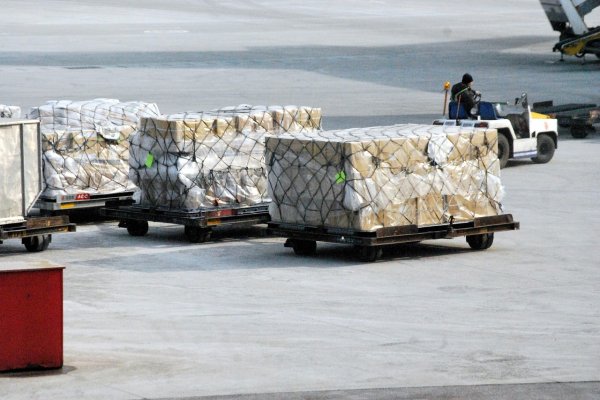
In today's competitive logistics landscape, warehouse operations have evolved from simple storage facilities into sophisticated hubs of efficiency, compliance, and cost management. Whether you're managing an e-commerce fulfillment center or a traditional distribution warehouse, understanding the intersection of parcel force management, regulatory compliance, cost reduction strategies, and transportation optimization is crucial for maintaining a competitive edge.
Modern warehouses face unprecedented pressure to deliver faster, cheaper, and more reliably than ever before. This comprehensive guide explores how forward-thinking warehouse managers are addressing these challenges through strategic planning and implementation of best practices across all operational areas.
Understanding Parcel Force in Modern Warehousing
Parcel force represents the physical and logistical demands placed on warehouse operations when handling, sorting, and dispatching individual parcels. Unlike traditional bulk shipping, parcel operations require granular attention to detail and sophisticated systems to manage the complexity of individual item handling.
The Evolution of Parcel Processing
The explosive growth of e-commerce has fundamentally transformed warehouse operations. Where facilities once moved pallets and large shipments, they now process thousands of individual parcels daily. This shift has created new challenges in terms of handling efficiency, accuracy requirements, and speed of processing.
Effective parcel force management involves several critical components:
- Automated sorting systems that reduce manual handling and increase throughput
- Real-time tracking technologies that provide visibility throughout the fulfillment process
- Dynamic slotting strategies that position fast-moving items for optimal picking efficiency
- Integration with carrier systems for seamless label generation and dispatch
- Quality control checkpoints that ensure accuracy before parcels leave the facility
Technology-Driven Parcel Management
Leading warehouses are implementing warehouse management systems (WMS) specifically designed for high-volume parcel operations. These systems orchestrate everything from receiving and putaway to picking, packing, and shipping, ensuring that each parcel moves through the facility with maximum efficiency and minimum handling.
Advanced facilities are also adopting robotics and automation technologies that can handle parcels with unprecedented speed and accuracy. Automated guided vehicles (AGVs), robotic picking arms, and conveyor systems work in harmony to move thousands of parcels per hour while maintaining the precision required for individual consumer shipments.
Navigating Warehouse Compliance Requirements
Compliance represents one of the most complex yet critical aspects of warehouse management. From safety regulations to industry-specific requirements, maintaining compliance protects your business from costly penalties while ensuring worker safety and operational integrity.
Regulatory Compliance Frameworks
Warehouses must navigate a complex web of regulations including occupational safety standards, environmental requirements, customs regulations for international shipments, and industry-specific certifications. Non-compliance can result in significant fines, operational shutdowns, or even criminal liability in severe cases.
Key compliance areas include:
- Occupational Safety and Health Administration (OSHA) standards for worker safety
- Fire safety codes and emergency preparedness protocols
- Hazardous materials handling and storage regulations
- Data protection and privacy requirements for customer information
- Environmental regulations regarding waste disposal and emissions
- Customs and border protection requirements for international shipments
Building a Culture of Compliance
Successful compliance programs extend beyond mere documentation. They require ongoing training, regular audits, and a company culture that prioritizes adherence to standards at every level. Many progressive warehouses are implementing digital compliance management systems that automate tracking, reporting, and documentation processes.
Regular compliance audits should examine equipment maintenance logs, employee training records, safety incident reports, and standard operating procedures. When seeking third-party logistics providers, platforms like www.search3pl.com can help identify partners with strong compliance track records and appropriate certifications for your specific needs.
Strategic Cost Reduction in Warehouse Operations
Cost reduction remains a perpetual priority for warehouse managers, but successful strategies require a nuanced approach that preserves service quality while eliminating waste and inefficiency.
Labor Optimization Strategies
Labor typically represents the largest operational expense in warehouse environments. Optimizing workforce deployment without compromising productivity requires sophisticated planning and the right technological tools.
Effective labor management includes:
- Implementing labor management systems that track productivity metrics and identify improvement opportunities
- Cross-training employees to provide flexibility during demand fluctuations
- Utilizing temporary staffing strategically during peak seasons rather than maintaining excess permanent headcount
- Investing in ergonomic equipment that reduces fatigue and improves worker efficiency
- Developing performance-based incentive programs that reward productivity improvements
Space Utilization and Facility Costs
Real estate represents another major expense category. Maximizing the productive use of every square foot directly impacts the bottom line. Vertical storage solutions, narrow-aisle configurations, and dynamic slotting can significantly increase storage density without expanding the facility footprint.
Many warehouses are also reconsidering their network strategies, potentially consolidating underutilized facilities or relocating closer to customer concentrations to reduce overall transportation costs. Advanced analytics can model the total landed cost implications of different network configurations.
Technology Investments That Pay Dividends
While technology requires upfront capital investment, the right systems deliver substantial long-term cost savings. Automation technologies, advanced WMS platforms, and data analytics tools can reduce labor requirements, minimize errors, and optimize inventory positioning for faster fulfillment.
The key is conducting thorough return-on-investment analysis before implementation, ensuring that technology investments align with actual operational pain points and deliver measurable improvements.
Transportation Management and Integration
Transportation represents the critical link between warehouse operations and customer delivery. Effective transportation management can dramatically reduce costs while improving delivery performance and customer satisfaction.
Carrier Relationship Management
Developing strong relationships with multiple carriers provides negotiating leverage and operational flexibility. Rather than relying on a single carrier, successful warehouses maintain a diversified carrier portfolio that includes national carriers, regional specialists, and last-mile delivery providers.
Key considerations in carrier management include:
- Negotiating volume-based pricing that rewards increased shipment volumes
- Establishing service level agreements that clearly define performance expectations
- Implementing regular performance reviews to ensure carriers meet commitments
- Maintaining backup carriers to mitigate disruption risks
- Leveraging transportation management systems to optimize carrier selection for each shipment
Outbound Transportation Optimization
Advanced transportation management systems (TMS) can automatically select the optimal carrier for each shipment based on destination, service requirements, cost, and carrier performance history. This dynamic carrier selection ensures that every parcel ships via the most cost-effective route without compromising delivery commitments.
Zone skipping, pool distribution, and consolidated shipping strategies can further reduce transportation costs by aggregating shipments and bypassing intermediate carrier sorting facilities. These strategies require coordination between warehouse operations and transportation planning but can deliver substantial savings on high-volume lanes.
Inbound Freight Management
While outbound shipping receives significant attention, inbound freight management offers equally important cost reduction opportunities. Transitioning from FOB origin to FOB destination terms transfers freight control to the buyer, enabling consolidation strategies and carrier negotiation leverage.
Appointment scheduling systems that coordinate inbound deliveries prevent dock congestion and enable more efficient receiving operations. By spreading inbound receipts throughout the day and week, warehouses can maintain consistent productivity without the feast-or-famine cycle that plagues many facilities.
Integrating the Four Pillars for Warehouse Excellence
The true power of warehouse optimization emerges when parcel force management, compliance, cost reduction, and transportation strategies work in concert rather than as isolated initiatives.
Creating Operational Synergy
For example, investing in automated parcel sorting systems simultaneously addresses multiple objectives: it improves parcel processing speed and accuracy, reduces labor costs, minimizes injury risk (supporting compliance), and enables faster carrier dispatch. Similarly, implementing a comprehensive WMS improves inventory accuracy, which reduces carrying costs while ensuring compliance with customer service commitments.
When evaluating potential improvements, warehouse managers should consider the holistic impact across all four pillars rather than focusing narrowly on single-dimension benefits. This integrated perspective often reveals opportunities that deliver compounding returns.
Continuous Improvement Methodology
Warehouse optimization isn't a one-time project but an ongoing journey of incremental improvement. Leading facilities embrace continuous improvement methodologies like Lean or Six Sigma, empowering frontline workers to identify inefficiencies and propose solutions.
Regular performance monitoring across key metrics—cost per unit shipped, order accuracy rates, compliance incident frequency, and transportation cost as a percentage of revenue—provides the data foundation for identifying improvement opportunities and measuring progress over time.
Conclusion: Building Your Competitive Warehouse
Success in modern warehousing requires mastery across multiple disciplines. Parcel force management ensures you can handle the complexity of individual shipment processing at scale. Compliance protects your business and workers while maintaining operational permissions. Cost reduction strategies preserve margins in an increasingly competitive environment. Transportation optimization connects warehouse efficiency with customer delivery expectations.
Whether you're operating your own warehouse or partnering with third-party providers, understanding these interconnected elements enables more informed decision-making and stronger operational performance. Resources like www.search3pl.com can help businesses identify logistics partners with the capabilities and expertise to excel across all four dimensions.
The warehouses that thrive in coming years will be those that view these areas not as separate operational silos but as integrated components of a comprehensive strategy for operational excellence. By investing strategically, leveraging appropriate technologies, and maintaining focus on continuous improvement, warehouse operations can transform from cost centers into competitive advantages that drive business growth and customer satisfaction.


