
Warehouse Operations in Modern Logistics
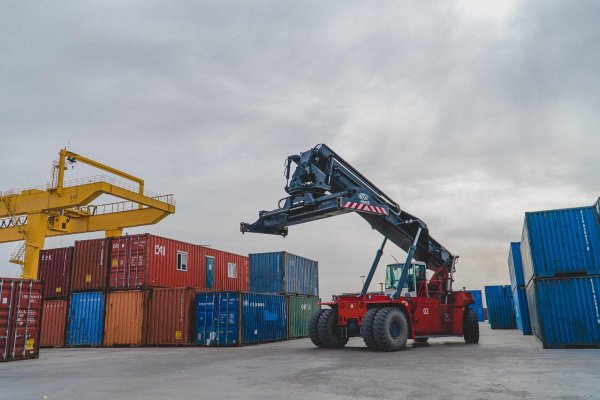
The modern warehouse has evolved far beyond its traditional role as a simple storage facility. Today's warehouses are sophisticated hubs of technology, skilled labor, and complex logistics operations that drive global commerce. As international trade continues to expand and consumer expectations for rapid delivery intensify, understanding the critical components of warehouse operations has never been more important for businesses seeking competitive advantages in their supply chains.
The Impact of Imports on Warehouse Strategy
Global imports represent a fundamental driver of warehouse operations, particularly in major trading hubs. The flow of goods across international borders creates unique challenges and opportunities for warehouse managers who must balance efficiency, compliance, and speed to market.
Managing Import Volumes and Complexity
When goods arrive from international suppliers, warehouses serve as critical transition points where products are received, inspected, sorted, and prepared for distribution. The complexity of managing imports extends well beyond simple storage. Warehouses must navigate customs documentation, tariff classifications, quality control inspections, and regulatory compliance requirements that vary significantly between product categories and countries of origin.
Modern warehouses handling imports typically implement specialized zones for:
- Customs clearance and documentation processing
- Quality inspection and product verification
- Repackaging and labeling for domestic markets
- Quarantine areas for regulated products
- Consolidation spaces for multi-origin shipments
Brexit and Its Continuing Warehouse Implications
For warehouses in the United Kingdom, particularly those in London and surrounding areas, Brexit has fundamentally reshaped import operations. The introduction of customs checks on EU goods has created demand for additional warehouse space dedicated to border compliance activities. Many businesses have established dual inventory strategies, maintaining stock both within the UK and EU to mitigate delays and additional costs associated with cross-border movements.
This shift has driven significant changes in warehouse location strategies, with facilities near major ports experiencing increased demand as companies seek to minimize the time goods spend in customs processing.
The Rise of 3PL Providers in Warehouse Management
Third-party logistics providers have transformed the warehouse industry by offering businesses scalable, professional warehouse management without the capital investment of building and operating their own facilities.
Understanding the Biggest 3PL Companies
The global 3PL industry is dominated by several massive players who operate thousands of warehouse facilities worldwide. The biggest 3PL companies include:
- DHL Supply Chain - Operating in over 50 countries with extensive warehousing networks and advanced automation capabilities
- Kuehne + Nagel - Known for specialized warehousing in pharmaceuticals, technology, and high-value goods
- XPO Logistics - Offering comprehensive warehouse solutions with strong technology integration
- DB Schenker - Providing global warehousing with particular strength in European markets
- C.H. Robinson - Combining warehousing with robust transportation management systems
These industry giants compete not just on scale but on technological sophistication, offering clients advanced warehouse management systems, real-time inventory visibility, and increasingly automated operations. For businesses evaluating 3PL partners, platforms like www.search3pl.com provide valuable resources for comparing service capabilities and pricing structures across multiple providers.
Benefits of 3PL Warehouse Solutions
Partnering with established 3PL providers offers numerous advantages beyond simple cost savings. These benefits include:
- Scalability - Ability to expand or contract warehouse space based on seasonal demand without long-term facility commitments
- Geographic reach - Access to strategically located facilities near customers or transportation hubs
- Expertise - Specialized knowledge in handling specific product categories or regulatory requirements
- Technology access - Benefit from sophisticated warehouse management systems without direct investment
- Risk mitigation - Reduced exposure to real estate market fluctuations and facility obsolescence
Workforce Training: The Foundation of Warehouse Excellence
Despite increasing automation, warehouses remain fundamentally dependent on skilled human workers. The quality of warehouse operations directly correlates with the training, expertise, and engagement of the workforce managing day-to-day activities.
Essential Training Programs for Warehouse Staff
Comprehensive workforce training programs address multiple competency areas that collectively determine operational efficiency and safety. Leading warehouse operations invest significantly in ongoing education covering:
- Safety protocols - Forklift operation, materials handling, emergency procedures, and hazard recognition
- Technology systems - Warehouse management software, scanning equipment, and inventory tracking tools
- Quality control - Inspection procedures, damage identification, and product verification methods
- Customer service - Understanding how warehouse accuracy impacts end-customer satisfaction
- Process optimization - Identifying inefficiencies and contributing to continuous improvement initiatives
Addressing the Warehouse Labor Shortage
The logistics industry faces persistent challenges in attracting and retaining qualified warehouse workers. This labor shortage has intensified competition for talent, particularly in major metropolitan areas where cost of living pressures make warehouse wages less attractive.
Progressive warehouse operators are responding with innovative approaches including:
- Enhanced compensation packages with performance-based incentives
- Clear career advancement pathways from entry-level positions to management
- Flexible scheduling options to accommodate diverse workforce needs
- Investment in ergonomic equipment to reduce physical strain
- Partnerships with educational institutions to create talent pipelines
The most successful warehouse operations recognize that training is not a one-time event but rather an ongoing investment that pays dividends through reduced errors, improved safety records, higher employee retention, and enhanced operational efficiency.
London's Strategic Position in Warehouse Networks
London occupies a unique position within the UK and European warehouse landscape, serving simultaneously as a major consumption center, international gateway, and logistics hub.
Challenges of London Warehouse Operations
Operating warehouses in and around London presents distinct challenges that differentiate it from other UK regions. Property costs in Greater London rank among the highest globally, creating pressure to maximize every square meter of warehouse space. This economic reality drives warehouses toward vertical storage solutions, automation to reduce labor requirements, and highly efficient layouts that minimize wasted space.
The congestion and transportation constraints of operating in a densely populated metropolitan area further complicate logistics. Deliveries must navigate complex traffic patterns, comply with emission standards and low-emission zones, and often work within restrictive delivery time windows imposed by local regulations.
The Rise of Urban Warehousing
Despite these challenges, London has seen growth in urban warehousing facilities that prioritize proximity to consumers over traditional cost-efficiency metrics. These facilities support same-day and next-day delivery promises that have become competitive necessities in e-commerce.
Urban warehouses typically feature:
- Multi-story construction to maximize limited land availability
- Electric vehicle fleets for final-mile delivery
- Micro-fulfillment centers embedded in retail locations
- Advanced technology to compensate for smaller footprints
For businesses seeking warehouse solutions in the London area, utilizing comparison resources such as www.search3pl.com can help identify providers with specialized urban logistics capabilities and appropriate location networks.
Technology Integration in Modern Warehouses
The warehouse sector is experiencing rapid technological transformation that fundamentally changes how facilities operate and the skills workers require.
Automation and Robotics
Automated storage and retrieval systems, autonomous mobile robots, and sophisticated conveyor networks are increasingly common in large-scale warehouse operations. These technologies improve accuracy, increase throughput, and reduce dependency on manual labor for repetitive tasks. However, they also create new training requirements as workers must learn to operate, monitor, and troubleshoot complex automated systems.
Data Analytics and Artificial Intelligence
Modern warehouse management systems generate vast quantities of data about inventory movements, picking efficiency, and operational patterns. Advanced analytics and AI applications help warehouse managers optimize layouts, predict demand patterns, and identify process improvements that human observation might miss.
Conclusion: The Evolving Warehouse Landscape
The warehouse sector stands at the intersection of global trade, technological innovation, and evolving consumer expectations. Success in this environment requires attention to multiple interconnected factors: managing complex import operations, leveraging 3PL expertise where appropriate, investing comprehensively in workforce development, and adapting to the unique characteristics of operating locations like London.
As supply chains continue to grow more complex and customer demands more exacting, the warehouse operations that thrive will be those that view their facilities not as static storage spaces but as dynamic, technology-enabled environments staffed by well-trained professionals capable of delivering excellence consistently. Whether operating independently or partnering with established 3PL providers, businesses must recognize that warehouse capabilities increasingly determine competitive success in the modern marketplace.


