
Warehouse Operations & Logistics Costs
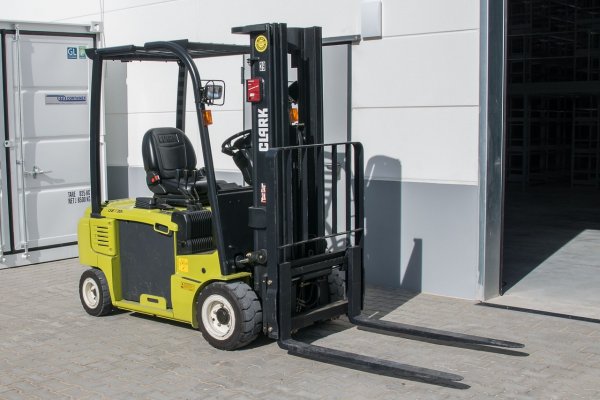
In today's competitive business landscape, understanding the intricacies of warehouse operations has become essential for companies seeking to optimize their supply chain efficiency. From managing complex data flows to navigating the cost structures of third-party logistics providers, modern warehousing represents a sophisticated ecosystem where technology, economics, and strategic partnerships converge. This comprehensive guide explores the critical components that drive successful warehouse management in the contemporary marketplace.
Understanding Warehouse Data Flow Management
The backbone of any efficient warehouse operation lies in its ability to manage and process information seamlessly. Data flow within warehouse environments represents the continuous movement of information between various systems, stakeholders, and operational touchpoints that enable inventory accuracy, order fulfillment, and strategic decision-making.
Components of Warehouse Data Systems
Modern warehouse data flow encompasses multiple interconnected systems working in harmony. At the foundation sits the Warehouse Management System (WMS), which orchestrates inventory tracking, order processing, and resource allocation. This central hub communicates with Enterprise Resource Planning (ERP) systems, Transportation Management Systems (TMS), and customer-facing platforms to create a comprehensive information network.
- Real-time inventory tracking: Continuous monitoring of stock levels, locations, and movement patterns
- Order management integration: Seamless connection between sales channels and fulfillment operations
- Labor management systems: Data tracking for workforce productivity and task optimization
- Quality control checkpoints: Information capture at critical inspection and verification stages
- Reporting and analytics: Aggregation of operational data for strategic insights
The Impact of Data Flow on Operational Efficiency
When data flows efficiently through warehouse operations, businesses experience dramatic improvements in accuracy, speed, and customer satisfaction. Real-time visibility enables proactive problem-solving, while historical data analysis reveals patterns that inform strategic improvements. Companies with optimized data flow report inventory accuracy rates exceeding 99.5% and significant reductions in order processing times.
Furthermore, effective data management facilitates better communication with partners and customers. When stakeholders can access accurate, timely information about inventory status, shipment tracking, and order fulfillment, trust deepens and operational friction diminishes. This transparency becomes particularly valuable in B2B relationships where multiple parties depend on reliable information to coordinate their own operations.
Decoding 3PL Cost Per Pallet Structures
For businesses evaluating outsourced warehousing solutions, understanding the cost per pallet pricing model represents a critical knowledge area. This pricing structure, commonly employed by third-party logistics providers, offers transparency and scalability that appeals to companies of various sizes.
What Influences Pallet Pricing?
The cost per pallet is rarely a simple, flat-rate figure. Instead, numerous variables contribute to the final pricing structure that a 3PL provider presents. Geographic location stands as one of the primary factors—warehouses in major metropolitan areas or coastal regions typically command premium rates due to higher real estate costs and operational expenses.
Storage duration also significantly impacts pricing. Most providers differentiate between short-term and long-term storage, with rates becoming more favorable for clients committing to extended arrangements. Additionally, the nature of goods stored affects costs; temperature-controlled environments, hazardous materials handling, or high-value inventory requiring enhanced security measures all command premium rates.
Breaking Down the Cost Components
A comprehensive per-pallet cost typically includes several distinct elements:
- Storage fees: The base cost for occupying warehouse space, usually calculated monthly per pallet position
- Handling charges: Fees for receiving, putaway, picking, and loading activities
- Administrative costs: Charges for inventory management, reporting, and customer service
- Value-added services: Optional services like kitting, labeling, or quality inspections
- Technology access fees: Costs associated with WMS access and integration capabilities
Industry benchmarks suggest that basic pallet storage in standard warehouse environments ranges from $8 to $15 per pallet per month, though this can vary significantly based on the factors mentioned above. When comparing providers through resources like www.search3pl.com, businesses should evaluate the complete cost picture rather than focusing solely on the base storage rate.
B2B Warehouse Considerations
Business-to-business logistics presents unique challenges and requirements that differ substantially from B2C fulfillment models. Understanding these distinctions helps companies select appropriate warehouse partners and design effective supply chain strategies.
Distinctive Characteristics of B2B Warehousing
B2B warehouse operations typically handle larger order volumes with less frequent shipments compared to consumer-focused fulfillment. A single B2B order might contain multiple pallets of products destined for a retail distribution center or manufacturing facility, requiring different handling capabilities than individual consumer packages.
Documentation and compliance requirements also tend to be more complex in B2B environments. Advanced Shipping Notices (ASNs), Electronic Data Interchange (EDI) integration, and vendor compliance programs demand sophisticated technological capabilities and attention to detail. Warehouses serving B2B clients must demonstrate proficiency with these systems to ensure smooth operations.
Customization and Flexibility in B2B Relationships
B2B partnerships often require greater customization in warehouse operations. Clients may need specialized packaging, custom labeling according to retailer specifications, or unique consolidation services. The ability to accommodate these requests without compromising efficiency separates exceptional B2B warehouse providers from mediocre ones.
Forecasting and planning capabilities become particularly valuable in B2B contexts. When warehouse partners can collaborate with clients on demand projections and seasonal planning, both parties benefit from optimized inventory levels and resource allocation. This strategic collaboration often extends beyond basic fulfillment to encompass supply chain consulting and continuous improvement initiatives.
The Rise of 4PL Solutions
As supply chains grow increasingly complex, many organizations are turning to fourth-party logistics (4PL) providers for comprehensive supply chain orchestration. Unlike traditional 3PL providers who execute specific logistics functions, 4PL partners assume broader responsibility for designing, implementing, and managing entire supply chain solutions.
Distinguishing 4PL from 3PL Services
The fundamental difference between 3PL and 4PL models lies in scope and strategic involvement. A 3PL provider operates warehouses, manages transportation, and executes fulfillment activities. A 4PL provider, conversely, acts as a supply chain integrator—coordinating multiple 3PLs, carriers, and service providers while maintaining strategic oversight of the entire logistics ecosystem.
This elevated role positions 4PL providers as true partners in supply chain strategy rather than transactional service vendors. They typically assume responsibility for technology platform selection, network design, performance management, and continuous optimization across all logistics touchpoints.
When Does 4PL Make Sense?
Not every business requires 4PL capabilities, but certain situations make this model particularly attractive. Companies operating across multiple regions with complex, multi-tier distribution networks often benefit from the coordinating capabilities that 4PL providers offer. Similarly, organizations lacking internal logistics expertise or those undergoing rapid growth may find value in outsourcing strategic supply chain management.
The financial implications of 4PL partnerships warrant careful consideration. While these arrangements typically involve higher fees than traditional 3PL relationships, the potential for supply chain optimization, cost reduction through network efficiency, and access to advanced capabilities can deliver substantial return on investment.
Integrating These Elements for Supply Chain Success
Understanding warehouse data flow, 3PL pricing structures, B2B requirements, and 4PL capabilities individually provides value, but the real power emerges when these elements work together cohesively. Companies achieving supply chain excellence recognize that integration and alignment across these domains create competitive advantages.
Creating a Unified Approach
Successful warehouse operations begin with robust data systems that provide visibility and enable informed decision-making. Whether working with 3PL providers on a per-pallet basis or engaging 4PL partners for comprehensive management, data integration remains critical. Systems must communicate seamlessly, providing real-time information that supports both operational execution and strategic planning.
When evaluating potential logistics partners through platforms like www.search3pl.com, businesses should assess technological compatibility alongside pricing and service capabilities. The ability to integrate systems, share data efficiently, and maintain visibility across the supply chain often determines success more than any single operational metric.
Building Strategic Partnerships
The most successful warehouse relationships transcend transactional interactions to become true partnerships. Whether working with 3PL providers or 4PL integrators, fostering collaborative relationships where both parties invest in mutual success creates lasting value. Regular communication, shared performance metrics, and aligned incentives transform logistics providers from vendors into strategic assets.
Conclusion: Navigating the Modern Warehouse Landscape
The warehouse sector continues evolving rapidly, driven by technological advancement, changing customer expectations, and economic pressures. Companies that understand the interplay between data management, cost structures, business model requirements, and strategic partnerships position themselves to thrive in this dynamic environment.
Success requires more than simply selecting the lowest-cost provider or the most technologically advanced system. It demands a holistic approach that considers how data flows through operations, how pricing models align with business needs, how B2B or B2C requirements shape operational design, and whether 3PL execution or 4PL orchestration best serves strategic objectives. By thoughtfully addressing these considerations, businesses can build warehouse and logistics capabilities that drive competitive advantage and support sustainable growth.


