
Warehouse Logistics & Global Shipping
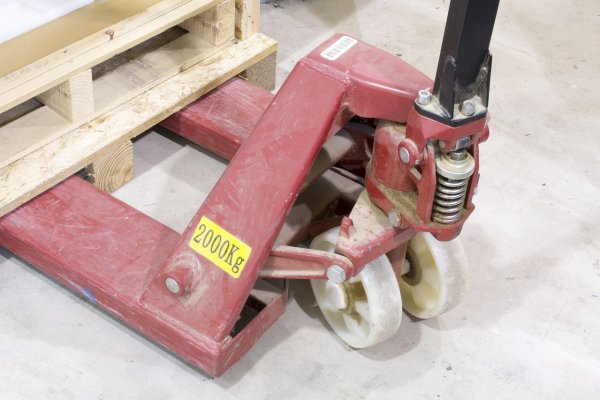
The modern warehouse has evolved far beyond simple storage facilities. Today's warehousing operations serve as critical hubs in complex global supply chains, coordinating seamlessly with hauliers, managing Fulfilled by Merchant (FBM) operations, handling shipments from manufacturing centers in China, and partnering with international carriers like DHL to deliver products worldwide. Understanding how these components work together is essential for any business looking to optimize their logistics operations and compete in the global marketplace.
The Modern Warehouse: More Than Storage
Contemporary warehouses function as sophisticated logistics centers that do far more than simply store inventory. These facilities serve as strategic nodes where products are received, inspected, stored, picked, packed, and dispatched to their final destinations. The transformation of warehousing has been driven by the explosive growth of e-commerce, which demands faster processing times, greater accuracy, and seamless integration with multiple shipping channels.
A well-managed warehouse implements advanced inventory management systems, employs efficient picking methodologies, and maintains strong relationships with transportation partners. These facilities must balance multiple priorities: maximizing storage capacity, minimizing handling time, ensuring product safety, and maintaining flexibility to adapt to fluctuating demand patterns.
Integration with Technology Systems
Modern warehouses rely heavily on Warehouse Management Systems (WMS) that track inventory in real-time, optimize picking routes, and coordinate with transportation management systems. These technological foundations enable warehouses to process orders rapidly while maintaining accuracy rates that meet today's demanding customer expectations. Integration with carrier systems like DHL's shipping platforms allows for automatic label generation, tracking updates, and streamlined customs documentation.
The Critical Role of Hauliers in Warehouse Operations
Hauliers—the transportation companies that move goods between locations—form the vital link between warehouses and their customers. The relationship between warehouses and hauliers requires careful coordination to ensure products move efficiently through the supply chain without delays or damage.
Effective haulier partnerships deliver several key benefits:
- Predictable pickup and delivery schedules that enable better inventory planning
- Competitive freight rates through volume commitments and negotiated contracts
- Specialized handling capabilities for fragile, temperature-sensitive, or oversized items
- Geographic coverage that aligns with your customer base and expansion plans
- Technology integration for shipment tracking and proof of delivery
Warehouses typically work with multiple hauliers to provide flexibility and redundancy. This multi-carrier approach protects businesses from service disruptions while allowing them to select the most appropriate carrier based on destination, speed requirements, and cost considerations. Local and regional hauliers often provide the best service for domestic deliveries, while partnerships with international carriers become essential for cross-border shipments.
Coordinating Warehouse and Haulier Schedules
Timing is everything in logistics. Warehouses must coordinate receiving schedules with inbound hauliers and manage outbound shipping cutoff times to ensure orders ship the same day they're processed. This coordination requires clear communication protocols, designated loading dock schedules, and contingency plans for when delays occur. Many successful operations implement dock appointment systems that prevent congestion and ensure efficient turnaround times for haulier vehicles.
FBM: Taking Control of Your Fulfillment
Fulfilled by Merchant (FBM) represents an approach where sellers maintain control over their inventory storage and order fulfillment rather than outsourcing these functions to marketplace platforms. For businesses selling on Amazon, eBay, or other marketplaces, FBM means managing your own warehouse operations or partnering with a third-party logistics provider while maintaining direct oversight of the fulfillment process.
The FBM model offers distinct advantages for certain business scenarios. Companies with unique product requirements, those selling through multiple channels simultaneously, or businesses wanting to maintain direct customer relationships often find FBM more suitable than alternative fulfillment models. Additionally, FBM can prove more cost-effective for slow-moving inventory, oversized items, or products with low turnover rates.
Warehouse Requirements for Successful FBM
Operating an effective FBM business requires warehouse capabilities that match or exceed customer expectations set by major marketplace fulfillment services. This means implementing systems for rapid order processing, accurate inventory tracking, and reliable shipping. Your warehouse must handle the complete order fulfillment cycle efficiently, from receiving marketplace notifications to getting packages into the hands of carriers within tight timeframes.
Many FBM sellers leverage platforms like www.search3pl.com to identify specialized third-party logistics providers that can support their specific requirements, whether that involves international shipping capabilities, specialized packaging, or integration with particular marketplace platforms.
Shipping from China: Warehouse Considerations
China remains the world's manufacturing powerhouse, making shipping from China a critical component of countless supply chains. Warehouses play pivotal roles in receiving, processing, and distributing products originating from Chinese manufacturers, whether operating as import consolidation centers, domestic distribution hubs, or both.
Managing China shipments involves several warehouse-specific considerations:
- Quality inspection protocols: Warehouses often perform initial quality checks on incoming shipments to identify manufacturing defects or shipping damage before products enter inventory
- Customs clearance coordination: Working with customs brokers and maintaining proper documentation storage for imported goods
- Container devanning: Efficiently unloading shipping containers and processing large volumes of incoming inventory
- Inventory reconciliation: Verifying that received quantities match purchase orders and customs documents
- Storage planning: Accommodating large batches of inventory that arrive via ocean freight while maintaining efficient warehouse organization
Ocean Freight vs. Air Freight Considerations
Products shipped from China typically arrive via ocean freight or air freight, each with different warehouse implications. Ocean freight delivers large volumes at lower costs but requires warehouses to accommodate substantial inventory arrivals and longer lead times. Air freight provides speed and flexibility but at higher costs and typically smaller shipment sizes. Warehouses must adapt their receiving processes and storage strategies based on which shipping method suppliers use.
Strategic warehousing decisions can significantly impact total landed costs for China-sourced products. Some businesses maintain warehouses near major ports to minimize domestic transportation costs after international shipments arrive. Others operate distribution networks with regional warehouses positioned close to customer concentrations, even though this requires additional inland transportation from ports of entry.
DHL and Express Carrier Integration
DHL represents one of the world's leading logistics companies, offering international shipping services that connect warehouses to customers globally. The integration between warehouse operations and DHL services exemplifies how modern logistics networks function, with technology enabling seamless transitions from warehouse to carrier to final destination.
DHL provides various service levels that warehouses can leverage depending on customer requirements and order characteristics. DHL Express offers time-definite international delivery for urgent shipments, while DHL eCommerce provides cost-effective solutions for cross-border e-commerce parcels. DHL Freight handles larger shipments that exceed standard parcel dimensions, and DHL Supply Chain offers comprehensive warehousing and fulfillment services for businesses wanting fully outsourced solutions.
Warehouse Integration with DHL Systems
Effective DHL integration requires warehouses to implement compatible technology systems that communicate with DHL's platforms. This integration enables automatic rate shopping, label generation, tracking number assignment, and shipment manifesting without manual data entry. Advanced integrations push tracking events back to warehouse systems and customer-facing platforms, providing visibility throughout the delivery journey.
Many warehouses establish DHL pickup accounts with scheduled daily collections, ensuring reliable service and potentially qualifying for volume-based discounts. For businesses utilizing www.search3pl.com to identify fulfillment partners, asking about existing carrier relationships and volume discounts can reveal significant cost-saving opportunities.
Creating an Integrated Logistics Strategy
The most successful businesses view warehousing, haulier relationships, FBM operations, China sourcing, and carrier partnerships not as isolated components but as interconnected elements of a comprehensive logistics strategy. This integrated approach considers how decisions in one area impact performance and costs across the entire supply chain.
For example, choosing warehouse locations near major transportation hubs improves access to both domestic hauliers and international carriers like DHL. Implementing FBM strategies requires warehouse capabilities that support rapid order processing and multi-carrier shipping options. Managing inventory sourced from China demands warehouse processes optimized for receiving large shipments, quality inspection, and efficient storage.
Continuous Optimization and Performance Monitoring
Logistics excellence requires ongoing attention to performance metrics and continuous improvement initiatives. Warehouses should track key performance indicators including order accuracy rates, same-day shipping percentages, inventory accuracy, and fulfillment costs per order. Regular reviews of haulier performance, shipping costs, and delivery times help identify optimization opportunities and problem areas requiring attention.
The logistics landscape constantly evolves with new technologies, changing customer expectations, and shifting global trade patterns. Successful businesses maintain flexibility in their warehouse operations and carrier relationships, allowing them to adapt quickly when circumstances change. This might mean qualifying additional hauliers, exploring alternative shipping routes from China, or adjusting FBM strategies based on marketplace dynamics.
Conclusion: Building Your Logistics Foundation
Warehouses serve as the foundation of modern commerce, connecting global manufacturing with local delivery through coordinated networks of hauliers, fulfillment services, international shipping routes, and express carriers. Whether you're managing your own warehouse operations, implementing an FBM strategy, sourcing products from China, or selecting international carriers like DHL, success depends on understanding how these elements work together to create efficient, cost-effective supply chains.
The complexity of modern logistics makes it essential to partner with experienced providers who understand the intricacies of international shipping, customs compliance, multi-carrier coordination, and warehouse management. By taking a strategic, integrated approach to logistics planning and continuously optimizing your operations, you can build competitive advantages that drive business growth and customer satisfaction in an increasingly connected global marketplace.


