
Warehouse Integration in Global Trade
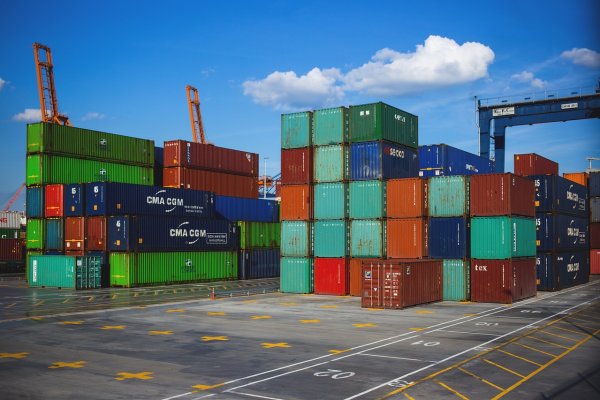
The modern warehouse has evolved far beyond its traditional role as a simple storage facility. Today's warehouses serve as sophisticated command centers that orchestrate complex supply chain operations, connecting international shipping networks, transportation systems, and ecommerce platforms into seamless operational ecosystems. Understanding how warehouses integrate with hauliers, shipping from China, and platforms like Magento is essential for businesses looking to compete in the global marketplace.
The Strategic Role of Warehouses in Modern Supply Chains
Warehouses now function as critical nodes in global logistics networks, providing much more than storage space. They serve as distribution hubs where goods transition between transportation modes, are consolidated or broken down into smaller shipments, and are prepared for final delivery to customers or retail locations.
The strategic positioning of warehouses determines the efficiency of the entire supply chain. Facilities located near major ports handle incoming shipments from China and other manufacturing hubs, while warehouses positioned close to population centers enable faster last-mile delivery. This geographical strategy reduces transportation costs and delivery times while improving customer satisfaction.
Value-Added Services in Modern Warehousing
Contemporary warehouses offer extensive value-added services that transform raw logistics into competitive advantages:
- Quality inspection and compliance checking for international shipments
- Product labeling, packaging, and kitting operations
- Returns processing and refurbishment
- Inventory management and demand forecasting
- Order fulfillment and direct-to-consumer shipping
- Cross-docking operations to minimize storage time
Transportation Networks and Warehouse Operations
The relationship between warehouses and transportation infrastructure is symbiotic and essential. Transportation systems feed warehouses with incoming inventory while simultaneously drawing from them to fulfill distribution requirements. This constant flow demands precise coordination and timing.
Effective warehouse operations require integration with multiple transportation modes. Incoming shipments arrive via ocean freight, air cargo, rail, and truck, each with different timing requirements, documentation needs, and handling procedures. Warehouses must efficiently receive these varied shipments, process them quickly, and prepare them for onward transportation.
Optimizing Transportation Efficiency
Modern warehouses employ sophisticated systems to maximize transportation efficiency. Warehouse Management Systems (WMS) coordinate with Transportation Management Systems (TMS) to optimize loading schedules, consolidate shipments, and minimize empty truck movements. This integration reduces costs while improving service levels.
The physical layout of warehouses directly impacts transportation efficiency. Well-designed facilities feature multiple loading docks that can simultaneously accommodate different carriers, reducing wait times and improving throughput. Dedicated areas for different shipping priorities—such as expedited orders versus standard shipments—further streamline operations.
Haulier Partnerships and Warehouse Coordination
Hauliers, the transportation companies that move goods over land, maintain critical relationships with warehouse operations. These partnerships determine how quickly inventory moves through the supply chain and directly impact delivery reliability and cost efficiency.
Professional hauliers provide more than just truck capacity. They offer specialized equipment for different cargo types, experienced drivers familiar with optimal routes, and tracking systems that provide real-time visibility. The best haulier partnerships involve deep operational integration with warehouse systems, enabling automated scheduling, real-time status updates, and performance analytics.
Managing the Warehouse-Haulier Interface
The efficiency of the warehouse-haulier relationship depends on several factors:
- Clear communication protocols and advance scheduling systems
- Standardized documentation and electronic data interchange
- Coordinated appointment systems to prevent dock congestion
- Performance metrics that measure on-time arrivals and accurate shipments
- Contingency planning for delays or equipment failures
Businesses looking to optimize this relationship can benefit from platforms like www.search3pl.com, which helps compare different logistics service providers and identify partners whose capabilities align with specific operational requirements.
Shipping from China: Warehouse Considerations
The massive volume of goods shipping from China has fundamentally shaped modern warehousing practices. Chinese manufacturing dominates numerous product categories, making effective management of these imports essential for countless businesses worldwide.
Warehouses handling shipments from China must address unique challenges. Container shipments arriving from Chinese ports typically contain mixed products or large quantities requiring breakdown into smaller units. This necessitates dedicated receiving areas, specialized material handling equipment, and staff trained in import documentation requirements.
Import Processing and Customs Clearance
Sophisticated warehouses often maintain bonded warehouse status, allowing imported goods to be stored without immediately paying duties and taxes. This provides cash flow advantages and enables businesses to defer or minimize customs obligations through strategic inventory management.
The customs clearance process requires meticulous documentation and compliance with import regulations. Warehouses specializing in Chinese imports maintain expertise in these requirements, including:
- Harmonized Tariff Schedule classification
- Country of origin documentation
- Product safety and compliance certifications
- Intellectual property verification
- Anti-dumping and countervailing duty considerations
Managing Lead Times and Inventory
Shipping from China involves extended lead times, typically ranging from several weeks to over a month for ocean freight. Warehouses help businesses manage this challenge through strategic inventory positioning and forecasting tools that anticipate demand during transit periods.
Many companies employ a multi-tier warehousing strategy, maintaining bulk inventory near port facilities while positioning smaller quantities in regional distribution centers closer to customers. This balances the cost advantages of ocean freight from China with the speed requirements of customer delivery expectations.
Magento Integration and Warehouse Technology
The rise of ecommerce has transformed warehouse operations, with platforms like Magento driving demand for sophisticated integration between online storefronts and physical fulfillment operations. Magento, one of the world's leading ecommerce platforms, powers hundreds of thousands of online stores that depend on seamless warehouse connectivity.
Effective Magento-warehouse integration creates a unified system where online orders automatically flow to warehouse fulfillment systems, inventory levels synchronize in real-time, and shipping confirmations update customers instantly. This integration eliminates manual data entry, reduces errors, and accelerates order fulfillment.
Technical Integration Requirements
Connecting Magento with warehouse systems requires careful technical implementation:
- API connections that enable real-time data exchange
- Inventory synchronization across multiple sales channels
- Order routing rules based on inventory location and shipping requirements
- Automated shipping label generation and carrier selection
- Returns management and restocking workflows
- Customer notification systems for order status updates
Many businesses leverage third-party logistics providers with existing Magento integrations, avoiding the complexity of building custom connections. Resources like www.search3pl.com enable businesses to identify fulfillment partners with proven Magento expertise and technical capabilities.
Multi-Channel Fulfillment Complexity
Magento stores rarely operate in isolation. Most businesses sell through multiple channels—their own website, marketplaces like Amazon and eBay, and sometimes physical retail locations. Warehouses must orchestrate fulfillment across these channels while maintaining accurate inventory visibility and preventing overselling.
Advanced warehouse systems employ intelligent order routing that considers inventory location, shipping costs, delivery speed requirements, and customer priority when determining which facility should fulfill each order. This optimization reduces costs while maintaining service quality.
The Future of Integrated Warehouse Operations
Technology continues reshaping warehouse operations and their integration with transportation, international shipping, and ecommerce platforms. Emerging trends include increased automation, artificial intelligence for demand forecasting, and blockchain for supply chain transparency.
Robotics and automated storage and retrieval systems are becoming more affordable and accessible, enabling warehouses of all sizes to improve efficiency and accuracy. These technologies particularly benefit operations handling high volumes of ecommerce orders requiring rapid picking and packing.
Sustainability Considerations
Environmental concerns are driving warehouse innovations in energy efficiency, waste reduction, and sustainable transportation practices. Modern facilities incorporate solar power, LED lighting, and energy management systems that significantly reduce carbon footprints.
The relationship between warehouses and hauliers increasingly emphasizes route optimization and vehicle utilization to minimize environmental impact while controlling costs. Electric and alternative-fuel vehicles are gradually entering fleet operations, particularly for last-mile delivery routes.
Conclusion: Building Competitive Advantage Through Integration
Success in today's global marketplace depends on sophisticated integration between warehouses, transportation networks, international shipping operations, and ecommerce platforms. Businesses that master these connections gain significant competitive advantages through faster delivery times, lower costs, and superior customer experiences.
Whether managing shipments from China, coordinating with hauliers, or integrating Magento storefronts with fulfillment operations, the warehouse serves as the operational heart of the supply chain. Investing in capable warehouse partnerships, robust technology integration, and strategic network design pays dividends in operational efficiency and business growth.
The complexity of these integrated systems makes selecting the right partners essential. Businesses should carefully evaluate warehouse capabilities, technological sophistication, carrier relationships, and international shipping expertise when building their logistics networks. The investment in getting these decisions right creates lasting competitive advantages that drive business success across markets and channels.


