
Top 10 Supply Chain Shocks Transforming Global Trade
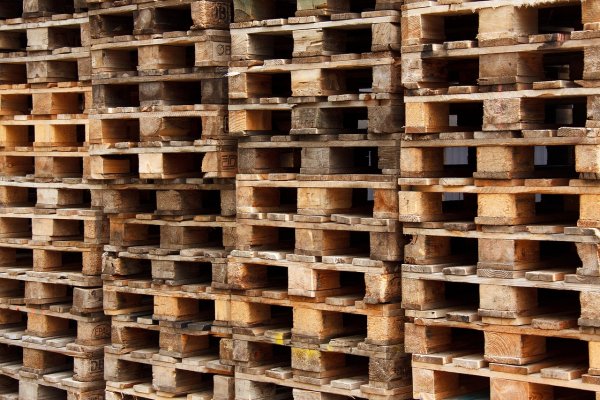
The global supply chain landscape is experiencing unprecedented transformation. From revolutionary transportation methods to groundbreaking packaging innovations, the logistics industry is evolving at breakneck speed. These changes are reshaping how businesses handle imports, manage efficiency, and deliver products to customers worldwide. Let's explore the top 10 developments that are fundamentally altering the supply chain ecosystem.
1. Autonomous Transportation Revolution
The autonomous vehicle revolution is no longer science fiction—it's becoming reality in logistics operations worldwide. Self-driving trucks and automated delivery vehicles are transforming transportation efficiency, reducing labor costs, and improving safety metrics across the board.
Major logistics companies are investing billions in autonomous fleet development. These vehicles operate 24/7 without fatigue, optimize routes in real-time, and significantly reduce transportation costs. Early adopters report efficiency gains of up to 30% in their distribution networks, while simultaneously decreasing carbon emissions and accident rates.
The Impact on Last-Mile Delivery
Autonomous delivery robots and drones are revolutionizing the final leg of the supply chain journey. These technologies enable faster delivery times, reduce congestion in urban areas, and provide cost-effective solutions for delivering small packages directly to consumers' doorsteps.
2. Smart Packaging Technologies
Packaging has evolved far beyond simple protective containers. Smart packaging solutions now incorporate sensors, QR codes, and RFID tags that track products throughout the entire supply chain journey, providing unprecedented visibility and control.
These intelligent packaging systems monitor temperature, humidity, shock, and tampering in real-time. For temperature-sensitive imports like pharmaceuticals or perishable goods, this technology ensures product integrity from origin to destination. When combined with blockchain technology, smart packaging creates an immutable record of a product's journey, enhancing transparency and consumer trust.
- Real-time temperature monitoring for cold chain shipments
- Anti-counterfeiting measures through unique digital identities
- Automated inventory management through embedded sensors
- Enhanced customer engagement through interactive packaging
- Sustainability tracking and carbon footprint reporting
3. Sustainable Packaging Materials
Environmental consciousness is driving a massive shift toward eco-friendly packaging solutions. Biodegradable materials, mushroom-based packaging, and innovative plant-based alternatives are replacing traditional plastics and styrofoam.
Companies are discovering that sustainable packaging isn't just good for the planet—it's good for business. Consumers increasingly prefer brands that demonstrate environmental responsibility, and many regions are implementing strict regulations on packaging waste. This trend is particularly significant for imports, where packaging must protect products during long-distance transportation while minimizing environmental impact.
4. Blockchain for Import Documentation
The complex world of import documentation is being streamlined through blockchain technology. This revolutionary approach eliminates paperwork bottlenecks, reduces fraud, and accelerates customs clearance processes that traditionally plagued international trade.
Smart contracts automatically execute when predefined conditions are met, dramatically reducing processing times and human error. Multiple parties—manufacturers, shippers, customs authorities, and receivers—can access the same verified information simultaneously, creating unprecedented transparency in import operations. Businesses utilizing platforms like www.search3pl.com can now find 3PL providers who specialize in blockchain-enabled import processes.
5. Artificial Intelligence-Driven Efficiency
Artificial intelligence is revolutionizing supply chain efficiency across all operations. Machine learning algorithms predict demand with remarkable accuracy, optimize inventory levels, and identify potential disruptions before they occur.
Predictive Analytics in Action
AI systems analyze vast amounts of historical data, weather patterns, market trends, and geopolitical factors to forecast demand fluctuations. This predictive capability allows businesses to adjust their import schedules, transportation routes, and warehouse operations proactively rather than reactively.
The efficiency gains are staggering. Companies implementing AI-driven supply chain management report inventory reduction of 20-50%, while simultaneously improving product availability and customer satisfaction rates.
6. Micro-Fulfillment Centers
The rise of micro-fulfillment centers is transforming urban logistics. These compact, highly automated warehouses located in dense population centers enable same-day or even same-hour delivery, meeting consumer demands for instant gratification.
These facilities utilize vertical storage systems, robotic picking technology, and sophisticated inventory management to maximize efficiency in minimal space. For imported goods, micro-fulfillment centers reduce the final transportation leg, lowering costs and carbon emissions while improving delivery speed.
7. Hyperloop and High-Speed Rail Transportation
Revolutionary transportation infrastructure projects are reimagining how goods move across continents. Hyperloop technology promises to transport cargo at speeds exceeding 700 mph, while expanding high-speed rail networks offer efficient alternatives to air and truck freight.
These developments are particularly significant for time-sensitive imports. Products that previously required air freight at premium costs can now move via ground transportation at comparable speeds but lower prices and environmental impact.
8. Advanced Import Tariff Optimization
Sophisticated software platforms now analyze tariff classifications, trade agreements, and duty drawback opportunities to minimize import costs automatically. These systems consider multiple factors—including country of origin, product composition, and free trade agreements—to determine optimal import strategies.
Companies leveraging these technologies report significant cost savings on their import operations, often reducing duty payments by 15-30% through legitimate optimization strategies. When selecting a 3PL partner through www.search3pl.com, businesses should prioritize providers with expertise in tariff engineering and trade compliance.
9. Collaborative Transportation Networks
The sharing economy has reached logistics. Collaborative transportation networks connect shippers with available cargo space, dramatically improving vehicle utilization and reducing empty miles.
These platforms match complementary shipments, enabling companies to share transportation resources efficiently. A truck delivering imports to one location can pick up exports for the return journey, maximizing efficiency and minimizing costs for all participants. This collaborative approach reduces transportation expenses by up to 25% while decreasing environmental impact.
Digital Freight Matching
Real-time digital freight matching platforms connect shippers and carriers instantly, eliminating traditional broker intermediaries and reducing transaction costs. These systems use sophisticated algorithms to optimize routes, consolidate shipments, and improve overall network efficiency.
10. Modular and Returnable Packaging Systems
The final revolution transforming supply chains is the shift toward modular and returnable packaging systems. Rather than disposing of packaging materials after single use, companies are implementing sophisticated reverse logistics to collect, clean, and reuse durable containers.
These systems offer multiple benefits:
- Cost reduction: Eliminating constant packaging purchases significantly lowers operational expenses
- Environmental sustainability: Reusable packaging dramatically reduces waste and carbon footprint
- Product protection: Durable containers provide superior protection during transportation
- Standardization: Modular designs improve handling efficiency and warehouse operations
- Brand differentiation: Distinctive returnable packaging creates memorable customer experiences
For import operations, returnable packaging systems require coordination between international partners but deliver substantial long-term value. Companies report ROI within 18-24 months while achieving sustainability goals that resonate with environmentally conscious consumers.
The Integration Effect
While each of these ten innovations delivers significant value independently, their true power emerges when integrated into comprehensive supply chain strategies. Forward-thinking companies are combining autonomous transportation with smart packaging, AI-driven optimization with blockchain documentation, and sustainable materials with collaborative networks.
This integrated approach creates supply chain ecosystems that are more efficient, sustainable, transparent, and responsive than ever before. The companies leading this transformation aren't just improving their operations—they're fundamentally reimagining what's possible in global trade.
Preparing for the Future
As these technologies mature and become more accessible, businesses of all sizes must adapt or risk obsolescence. The good news is that partnering with experienced 3PL providers who have already invested in these innovations allows companies to access cutting-edge capabilities without massive capital investments.
The supply chain transformation is accelerating, driven by technological advancement, environmental imperatives, and evolving consumer expectations. Companies that embrace these changes—optimizing their transportation networks, revolutionizing their packaging strategies, streamlining their import processes, and maximizing operational efficiency—will thrive in the dynamic global marketplace.
The future of supply chain management is here, and it's more exciting, efficient, and sustainable than ever imagined. The question isn't whether to adapt to these changes, but how quickly your organization can implement them to gain competitive advantage in an increasingly complex global economy.


