
Top 10 Racking Storage Solutions Boosting B2B Logistics Efficiency
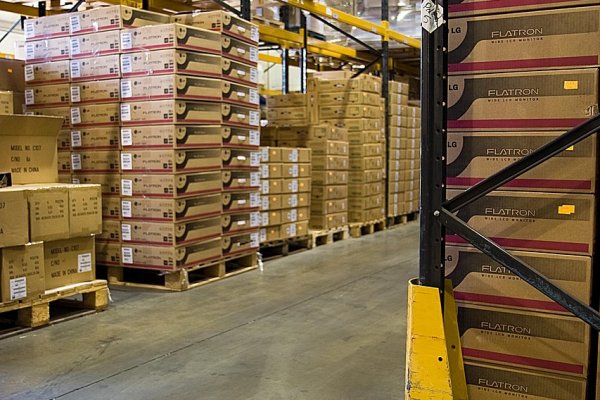
In the fast-paced world of B2B logistics, warehouse efficiency can make or break a company's competitive advantage. As global logistics leaders like DHL continue to set industry benchmarks, the importance of optimized racking storage systems has never been more critical. Whether you're managing a small distribution center or a sprawling fulfillment operation, the right storage solution directly impacts your bottom line, operational speed, and customer satisfaction.
This comprehensive guide explores the top 10 racking storage solutions that are revolutionizing B2B warehouse operations and helping companies maximize their logistics potential.
Understanding the Impact of Strategic Racking Storage in B2B Operations
Before diving into specific solutions, it's essential to understand why racking storage deserves such careful consideration in B2B environments. Unlike retail storage, B2B logistics operations handle larger volumes, varied SKU profiles, and more complex inventory management requirements. Efficient racking systems reduce labor costs, minimize picking errors, and accelerate order fulfillment—all critical factors when servicing business clients with demanding delivery schedules.
Major logistics providers like DHL have demonstrated that properly implemented storage systems can increase warehouse capacity by up to 60% while simultaneously reducing operational costs by 25%. These aren't marginal improvements; they're transformative changes that separate industry leaders from their competitors.
Top 10 Racking Storage Solutions for Maximum B2B Efficiency
1. Selective Pallet Racking: The Universal Foundation
Selective pallet racking remains the most widely implemented storage solution in B2B warehouses worldwide. This system offers direct access to every pallet position, making it ideal for operations with diverse product ranges and high SKU counts. DHL facilities frequently utilize selective racking in their distribution centers due to its flexibility and cost-effectiveness.
Key benefits include:
- 100% inventory accessibility without repositioning other pallets
- Easy implementation and reconfiguration
- Compatibility with standard forklifts and warehouse equipment
- Cost-effective initial investment
- Suitable for businesses of all sizes
2. Drive-In and Drive-Through Racking: Maximizing Density
For B2B operations handling large quantities of similar products, drive-in and drive-through racking systems offer exceptional space utilization. These high-density storage solutions allow forklifts to drive directly into the racking structure, storing pallets several positions deep. The system works particularly well for seasonal inventory or products with longer shelf lives.
Drive-through configurations enable access from both ends, creating a first-in, first-out (FIFO) inventory flow that's essential for date-sensitive B2B products.
3. Push-Back Racking: Balancing Density and Accessibility
Push-back racking represents an intelligent compromise between selective and drive-in systems. This solution allows pallets to be stored two to six deep while maintaining relatively easy access. When a pallet is removed, the ones behind it automatically roll forward on inclined rails, optimizing both storage density and picking efficiency.
This system excels in B2B environments where inventory turnover varies across different product lines, offering flexibility that static storage systems cannot match.
4. Pallet Flow Racking: Automating FIFO Inventory Management
Pallet flow racking utilizes gravity to move inventory from loading to picking faces automatically. This system ensures perfect FIFO rotation, making it invaluable for B2B operations dealing with perishable goods, pharmaceuticals, or any products with expiration concerns. The automated nature of pallet flow systems significantly reduces labor requirements while improving picking accuracy.
Companies seeking to compare various logistics and warehousing solutions often prioritize pallet flow systems when handling time-sensitive inventory.
5. Cantilever Racking: Specialized Solutions for Oversized Items
B2B logistics isn't limited to standard pallet sizes. Cantilever racking addresses the unique challenges of storing lengthy, bulky, or irregularly shaped items such as lumber, piping, furniture, or steel products. Without front columns obstructing access, cantilever systems provide unmatched flexibility for handling oversized inventory.
This specialized storage solution proves essential for industrial suppliers and construction material distributors operating in the B2B space.
6. Mobile Racking Systems: Premium Space Optimization
Mobile racking systems mount on powered bases that move along floor tracks, eliminating wasted aisle space. While representing a higher initial investment, these systems can double storage capacity within existing warehouse footprints—a critical advantage in urban locations where real estate costs are prohibitive.
DHL and other logistics giants implement mobile racking in high-value storage areas where maximizing every square foot directly impacts profitability.
7. Vertical Lift Modules (VLMs): The Future of Small Parts Storage
For B2B operations handling smaller components, electronics, or spare parts, Vertical Lift Modules represent cutting-edge storage efficiency. These automated systems deliver requested items directly to ergonomic workstations, dramatically reducing picking time and virtually eliminating picking errors.
The integration of VLMs with warehouse management systems creates unprecedented inventory accuracy and traceability—essential features for B2B clients with strict quality requirements.
8. Carton Flow Racking: Optimizing Pick-to-Light Operations
Carton flow racking uses gravity-fed roller or wheel tracks to present individual cartons at picking faces. This system integrates seamlessly with pick-to-light technology, creating highly efficient order fulfillment operations for B2B e-commerce and distribution centers.
The ergonomic design reduces worker fatigue while increasing picking speeds by up to 40% compared to static shelving systems.
9. Mezzanine Racking: Leveraging Vertical Space
Mezzanine systems add functional floors within existing warehouse structures, effectively doubling or tripling usable space without facility expansion. These elevated platforms accommodate offices, packing stations, or additional storage while maintaining floor-level operations below.
For B2B operations experiencing growth constraints, mezzanines offer scalable expansion without the disruption and expense of relocation.
10. Automated Storage and Retrieval Systems (AS/RS): The Premium Solution
AS/RS represents the pinnacle of warehouse storage technology. These computer-controlled systems automatically store and retrieve loads with minimal human intervention, achieving unprecedented speed, accuracy, and space utilization. While requiring substantial investment, AS/RS delivers rapid ROI in high-volume B2B operations.
Leading logistics providers integrate AS/RS with sophisticated warehouse management systems, creating seamless operations that scale effortlessly with business growth. When evaluating comprehensive fulfillment options through platforms like www.search3pl.com, businesses should consider whether AS/RS capabilities align with their long-term strategic goals.
DHL's Approach to Warehouse Efficiency and Storage Optimization
DHL, as one of the world's largest logistics providers, offers valuable insights into effective storage strategy implementation. Their approach combines multiple racking solutions within single facilities, creating zone-based storage that matches specific inventory characteristics with optimal storage methods.
This hybrid approach typically includes:
- Selective racking for fast-moving, varied SKUs near shipping docks
- Drive-in systems for bulk storage of slower-moving inventory
- Automated systems for high-value or high-velocity products
- Specialized storage for oversized or irregular items
By implementing this diversified strategy, DHL achieves the flexibility needed to serve diverse B2B clients while maintaining industry-leading efficiency metrics.
Key Considerations When Selecting Racking Storage Solutions
Choosing the right racking system requires careful analysis of several critical factors:
Inventory Characteristics
Product dimensions, weight, turnover rates, and shelf life requirements should drive storage decisions. A thorough inventory analysis reveals which systems align with your specific product mix.
Operational Requirements
Order profiles, picking methods, and throughput expectations influence which storage solutions deliver optimal performance. B2B operations with full-pallet orders have vastly different needs than those fulfilling mixed-case orders.
Warehouse Infrastructure
Building height, floor load capacity, column spacing, and existing equipment compatibility all constrain available options. Professional warehouse design consultants can identify solutions that maximize existing infrastructure.
Budget and ROI Projections
While advanced systems offer impressive capabilities, they must deliver measurable returns. Comprehensive ROI analysis should consider labor savings, space optimization, error reduction, and throughput improvements over multi-year periods.
Implementing Storage Solutions for Maximum B2B Impact
Successful implementation extends beyond selecting the right racking system. Integration with warehouse management systems, staff training, and continuous optimization ensure sustained efficiency gains.
Leading B2B logistics operations employ these best practices:
- Conduct regular slotting analysis to position products optimally based on velocity
- Implement barcode or RFID tracking for real-time inventory visibility
- Establish clear receiving and putaway procedures that maintain system integrity
- Schedule routine maintenance to prevent system degradation
- Monitor key performance indicators and adjust strategies accordingly
The Future of Racking Storage in B2B Logistics
Emerging technologies continue reshaping warehouse storage capabilities. Artificial intelligence optimizes inventory positioning dynamically, robotics automate retrieval processes, and Internet of Things sensors provide unprecedented operational visibility.
Forward-thinking B2B logistics providers are already implementing these innovations, creating adaptive storage environments that respond in real-time to changing demand patterns. As competition intensifies and customer expectations rise, strategic storage optimization will increasingly separate industry leaders from those struggling to keep pace.
Conclusion: Strategic Storage as Competitive Advantage
The top 10 racking storage solutions outlined here represent proven approaches to maximizing B2B logistics efficiency. From the fundamental versatility of selective pallet racking to the advanced automation of AS/RS systems, each solution addresses specific operational challenges while contributing to overall warehouse optimization.
Companies like DHL demonstrate that storage strategy deserves the same careful consideration as transportation networks, technology systems, and customer service protocols. In an era where supply chain agility determines market success, the right racking storage solutions transform warehouses from simple storage facilities into strategic competitive assets.
Whether you're optimizing an existing facility or designing a new distribution center, investing in appropriate racking systems delivers measurable improvements in capacity, efficiency, accuracy, and profitability—the ultimate measures of B2B logistics success.


