
Top 10 Ways 4PL Is Transforming Global Logistics Sustainably
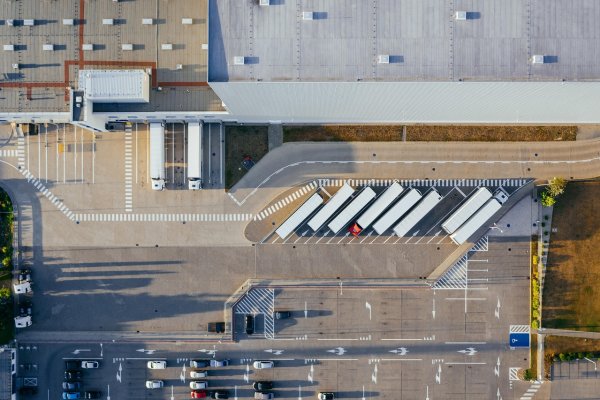
The logistics landscape is undergoing a dramatic transformation as businesses seek more sophisticated solutions to manage increasingly complex global supply chains. Fourth Party Logistics (4PL) providers have emerged as the orchestrators of this new era, managing entire supply chain ecosystems while prioritizing sustainability. From the manufacturing powerhouses of China to industrial hubs like Sheffield, 4PL solutions are reshaping how goods move across the planet.
As environmental concerns intensify and supply chains become more intricate, companies are discovering that traditional logistics models no longer suffice. The integration of 4PL management, particularly for shipping from China to destinations like Sheffield, represents a paradigm shift in how businesses approach global commerce. Let's explore the top ten ways 4PL providers are revolutionizing sustainable logistics.
1. Comprehensive Supply Chain Orchestration
Unlike traditional 3PL providers who focus on specific logistics functions, 4PL providers serve as master coordinators of the entire supply chain ecosystem. They manage multiple 3PLs, carriers, and service providers simultaneously, creating a seamless network that optimizes every touchpoint from manufacturer to end customer.
This orchestration is particularly valuable for businesses shipping from China to the UK, where Sheffield serves as a strategic distribution hub. A 4PL provider coordinates ocean freight, customs clearance, inland transportation, and warehousing through a single point of accountability, eliminating the fragmentation that often plagues international shipping operations.
2. Advanced Technology Integration for Sustainability
Modern 4PL providers leverage cutting-edge technology platforms that provide real-time visibility across the entire supply chain. These systems utilize artificial intelligence and machine learning to optimize routes, reduce empty miles, and minimize carbon emissions.
For companies looking to compare logistics solutions, platforms like www.search3pl.com offer comprehensive directories that help businesses identify providers with the most advanced sustainable technologies and practices.
Key Technology Benefits Include:
- Real-time carbon footprint tracking and reporting
- Predictive analytics for demand forecasting and inventory optimization
- Automated route optimization to reduce fuel consumption
- Digital documentation reducing paper waste
- IoT sensors for monitoring shipment conditions and preventing waste
3. Strategic Hub Optimization in Industrial Centers
Sheffield's position as a historic industrial center has evolved into a modern logistics advantage. 4PL providers strategically leverage Sheffield's central UK location, excellent transport links, and industrial infrastructure to create efficient distribution networks that serve both domestic and European markets.
By consolidating shipments from China at strategic hubs like Sheffield, 4PLs reduce the number of individual deliveries required, significantly lowering emissions per unit shipped. This hub-and-spoke model represents a more sustainable approach to distributing goods across regions.
4. Multi-Modal Transportation Optimization
One of the most significant contributions 4PL providers make to sustainability is optimizing multi-modal transportation. Rather than relying solely on air freight for speed or ocean freight for cost, 4PLs analyze each shipment's requirements and design the most efficient combination of transport modes.
For shipping from China to Sheffield, this might involve ocean freight to a UK port, followed by rail transport to Sheffield, and final delivery by electric vehicles. This approach balances speed, cost, and environmental impact in ways that single-mode shipping cannot achieve.
5. Demand-Driven Inventory Management
Overproduction and excess inventory represent massive sustainability challenges, tying up capital while consuming energy for storage and eventually leading to waste. 4PL providers implement demand-driven inventory strategies that reduce these inefficiencies.
By analyzing sales patterns, seasonal trends, and market conditions, 4PLs help businesses order precisely what they need when they need it. This approach minimizes warehouse space requirements, reduces energy consumption for climate control, and decreases the likelihood of products becoming obsolete.
6. Collaborative Logistics Networks
Perhaps the most innovative aspect of 4PL services is the creation of collaborative logistics networks. Instead of each company maintaining separate supply chains, 4PLs facilitate shared transportation and warehousing resources among multiple clients.
Benefits of Collaborative Networks:
- Reduced empty container returns from China
- Shared warehouse space in strategic locations like Sheffield
- Consolidated shipments reducing overall transport requirements
- Lower per-unit costs enabling investment in sustainable alternatives
- Increased vehicle utilization rates across the network
7. Carbon-Neutral Shipping Programs
Leading 4PL providers have implemented comprehensive carbon-neutral shipping programs that go beyond mere offset purchases. These programs include investments in renewable energy for warehouses, partnerships with carriers using alternative fuels, and support for reforestation projects.
For businesses shipping from China, these programs provide transparent carbon accounting and actionable strategies for reducing environmental impact. Companies can now demonstrate genuine commitment to sustainability rather than simply claiming environmental responsibility.
8. Reverse Logistics and Circular Economy Integration
Sustainability isn't just about forward logistics—it's equally about managing product returns, repairs, and recycling. 4PL providers excel at designing reverse logistics networks that support circular economy principles.
In Sheffield's manufacturing context, this means establishing systems where returned products are refurbished, components are reclaimed, and materials are recycled efficiently. When shipping from China includes provisions for product end-of-life management, the entire supply chain becomes more sustainable.
9. Regulatory Compliance and Sustainability Reporting
As environmental regulations become more stringent globally, compliance management has become a critical 4PL service. Providers help businesses navigate complex regulations covering emissions reporting, packaging requirements, and sustainable sourcing documentation.
This expertise is invaluable for companies shipping from China to the UK, where regulations differ significantly. 4PLs ensure that shipments meet all sustainability standards while maintaining comprehensive documentation for corporate reporting and stakeholder communication.
Compliance Areas Managed by 4PLs:
- Carbon emissions reporting and reduction targets
- Packaging waste regulations and recycling requirements
- Sustainable sourcing verification and documentation
- Labor and ethical supply chain standards
- Environmental impact assessments
10. Long-Term Strategic Partnership and Continuous Improvement
Unlike transactional relationships with traditional logistics providers, 4PL arrangements are characterized by long-term strategic partnerships. These relationships enable continuous improvement initiatives that progressively enhance sustainability performance.
4PL providers invest in understanding their clients' business models, growth trajectories, and sustainability goals. In Sheffield's context, this might mean working with manufacturers to redesign packaging for reduced shipping volume, or collaborating with Chinese suppliers to improve production efficiency and reduce waste.
Businesses seeking to establish these strategic partnerships can utilize resources like www.search3pl.com to compare providers based on sustainability credentials, technological capabilities, and industry expertise.
The Future of Sustainable Global Logistics
The convergence of 4PL capabilities with sustainability imperatives represents more than an operational improvement—it's a fundamental reimagining of how global commerce can function responsibly. As companies shipping from China to destinations like Sheffield face increasing pressure to demonstrate environmental stewardship, 4PL providers offer the expertise, technology, and network coordination necessary to meet these challenges.
The traditional model of fragmented logistics services managed separately is giving way to integrated ecosystems where efficiency and sustainability are not competing priorities but complementary objectives. By reducing waste, optimizing transportation, leveraging technology, and fostering collaboration, 4PLs are proving that environmental responsibility can coexist with operational excellence and cost effectiveness.
Conclusion
The transformation of global logistics through 4PL providers represents a critical evolution in sustainable business practices. From the factories of China to the distribution centers of Sheffield, these comprehensive supply chain orchestrators are demonstrating that environmental responsibility and operational efficiency can advance together.
As businesses worldwide seek to reduce their carbon footprints while maintaining competitive supply chains, 4PL providers offer the strategic vision, technological capabilities, and operational expertise necessary to achieve both goals simultaneously. The future of logistics is not just about moving goods faster or cheaper—it's about moving them smarter, with genuine consideration for environmental impact and long-term sustainability.
For companies ready to embrace this transformation, the opportunity exists today to partner with 4PL providers who can orchestrate truly sustainable supply chains that benefit business, society, and the planet alike.


