
Optimizing Warehouse Operations: Storage, FBA, and Workforce Success
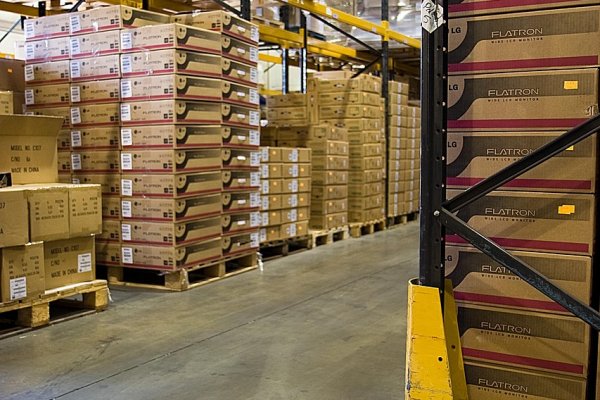
In today's rapidly evolving e-commerce landscape, warehouse optimization has become a critical factor separating successful businesses from those struggling to keep pace. The modern warehouse is no longer just a storage facility—it's a sophisticated hub where technology, efficient systems, and skilled personnel converge to create seamless fulfillment operations. Understanding the interplay between racking storage solutions, Amazon FBA integration, Magento platform connectivity, and comprehensive workforce training can transform your warehouse from a cost center into a competitive advantage.
The Foundation: Strategic Racking Storage Systems
At the heart of every efficient warehouse lies a well-designed racking storage system. The right storage infrastructure doesn't just maximize available space—it fundamentally shapes workflow efficiency, inventory accessibility, and overall operational speed.
Types of Racking Systems and Their Applications
Selecting the appropriate racking system depends on your inventory characteristics, volume fluctuations, and picking requirements. Selective pallet racking remains the most versatile option, providing direct access to every pallet position—ideal for businesses handling diverse SKUs with varying turnover rates. This system works exceptionally well for facilities managing both FBA prep and direct-to-consumer fulfillment.
Drive-in and drive-through racking systems excel when storing large quantities of identical products. These high-density solutions sacrifice individual pallet accessibility for maximized storage capacity, making them perfect for seasonal inventory or bulk FBA shipments awaiting transfer to Amazon fulfillment centers.
For businesses prioritizing first-in, first-out (FIFO) inventory management—particularly important when dealing with perishable goods or dated products—pushback racking and pallet flow systems provide automatic rotation that reduces manual handling and improves picking accuracy.
Maximizing Vertical Space
Modern warehouses increasingly leverage vertical space to overcome the challenges of expensive real estate. Implementing multi-level racking systems with mezzanine platforms can effectively double or triple usable storage area without expanding the building footprint. This vertical approach becomes particularly valuable when managing the diverse inventory requirements that come with operating both FBA and direct fulfillment channels simultaneously.
When designing vertical storage solutions, consider these critical factors:
- Ceiling height limitations and clearance requirements
- Load-bearing capacity of existing floor structures
- Equipment compatibility, including forklift reach capabilities
- Safety regulations and aisle width requirements
- Future scalability as business volumes grow
Amazon FBA Integration: Warehousing for the World's Largest Marketplace
Fulfillment by Amazon (FBA) has revolutionized how e-commerce sellers approach warehousing and logistics. However, successful FBA integration requires more than simply shipping products to Amazon warehouses—it demands careful preparation, strategic inventory management, and often, a dedicated prep warehouse.
The FBA Prep Warehouse Operation
Many successful Amazon sellers maintain their own prep warehouses or partner with specialized third-party logistics providers found through platforms like www.search3pl.com to handle FBA preparation requirements. This approach provides greater control over inventory quality, labeling accuracy, and shipment timing.
An efficient FBA prep operation requires designated areas for:
- Receiving and quality inspection of incoming inventory
- Product preparation including labeling, bagging, and bundling
- Staging areas for completed FBA shipments
- Returns processing and inventory disposition
Your racking storage system must accommodate both raw materials awaiting preparation and finished goods ready for Amazon shipment. Zone picking strategies work particularly well when managing simultaneous FBA prep and other fulfillment activities, allowing workers to specialize in specific tasks while minimizing travel time throughout the facility.
Inventory Distribution Strategies
Smart FBA sellers don't place all their inventory eggs in Amazon's basket. Maintaining a portion of stock in your own warehouse provides flexibility for multi-channel selling, protection against Amazon storage limit changes, and backup inventory for stockout situations. This hybrid approach requires careful forecasting and coordination between your warehouse management system and Amazon's inventory levels.
Magento Integration: Connecting Your Warehouse to E-Commerce
Magento powers thousands of online stores, and seamless integration between your warehouse operations and this robust e-commerce platform is essential for real-time inventory accuracy and customer satisfaction.
Real-Time Inventory Synchronization
The days of acceptable inventory discrepancies are long gone. Today's consumers expect accurate stock information, and overselling creates costly problems including customer disappointment, negative reviews, and rushed expedited shipping costs. Proper Magento integration ensures that every warehouse transaction—receiving, picking, packing, or shipping—instantly updates your online store's available inventory.
This synchronization becomes even more complex when managing multiple sales channels. Your warehouse system must reconcile inventory across Magento, Amazon FBA, other marketplaces, and potentially brick-and-mortar locations, all while maintaining accurate counts and preventing overselling.
Order Routing and Automation
Advanced Magento-warehouse integration enables intelligent order routing based on predefined business rules. Orders can automatically route to your FBA inventory, your own warehouse, or drop-ship vendors depending on factors like:
- Product location and availability
- Customer shipping address and preferred delivery speed
- Shipping cost optimization
- Inventory age and rotation requirements
This automation reduces manual decision-making, accelerates order processing, and ensures consistent application of your fulfillment strategy.
Workforce Training: The Human Element of Warehouse Excellence
Even the most sophisticated racking systems and technology integrations fail without properly trained personnel. Investing in comprehensive workforce training delivers measurable returns through improved accuracy, enhanced safety, and increased productivity.
Foundational Safety Training
Safety must be the cornerstone of any warehouse training program. Forklift certification, proper lifting techniques, hazardous material handling, and emergency procedures protect both workers and inventory. Regular safety refreshers and incident review sessions reinforce these critical practices and foster a culture where safety becomes second nature.
Beyond regulatory compliance, safety training reduces injury-related downtime, lowers insurance costs, and improves employee morale and retention—factors that directly impact your bottom line.
Technology and System Training
Modern warehouses operate through sophisticated warehouse management systems (WMS) that control everything from receiving to shipping. Comprehensive training ensures workers understand:
- Barcode scanning procedures and error resolution
- Mobile device operation and troubleshooting
- System navigation for inventory lookups and location verification
- FBA-specific labeling requirements and Amazon standards
- Magento order processing workflows
Cross-training employees across multiple warehouse functions creates operational flexibility, allowing you to adapt staffing to fluctuating demands without compromising service levels.
Quality Control and Accuracy Standards
Training programs should emphasize the downstream impacts of warehouse accuracy. When workers understand how their actions affect customer satisfaction, Amazon account health, and company profitability, they take greater ownership of quality outcomes.
Implement regular accuracy assessments, provide constructive feedback, and recognize high performers. Gamification strategies—where workers compete for accuracy scores or picking speeds—can make training engaging while driving continuous improvement.
Integrating All Elements for Warehouse Excellence
The true power emerges when racking storage, FBA operations, Magento integration, and workforce training work in concert. A well-trained employee navigating an optimized racking system can quickly locate products, prepare them to Amazon's exacting standards, and process Magento orders with accuracy that builds customer loyalty.
When evaluating your warehouse operations or considering partnerships with fulfillment providers through directories like www.search3pl.com, assess how these four elements interconnect. The facility with the most sophisticated automation may struggle if staff lack proper training, while excellent personnel can't overcome fundamentally flawed storage layouts.
Continuous Improvement Mindset
Warehouse optimization isn't a one-time project but an ongoing journey. Regular assessment of your racking efficiency, FBA performance metrics, Magento order accuracy, and workforce capabilities identifies improvement opportunities before they become critical problems.
Establish key performance indicators (KPIs) for each operational area:
- Storage density and space utilization rates
- FBA shipment error rates and Amazon compliance scores
- Order accuracy and same-day shipping percentages
- Employee productivity metrics and training completion rates
Conclusion: Building Your Competitive Warehouse Advantage
Success in today's competitive fulfillment landscape requires excellence across multiple dimensions. Strategic racking storage systems provide the physical foundation, FBA integration opens access to millions of Prime customers, Magento connectivity powers your direct e-commerce channel, and comprehensive workforce training ensures consistent execution of your operational strategy.
Businesses that master these interconnected elements don't just survive—they thrive, turning warehouse operations from a necessary expense into a genuine competitive advantage that drives growth, customer satisfaction, and profitability. Whether building in-house capabilities or partnering with specialized third-party providers, understanding these fundamental principles positions your business for long-term success in the evolving world of modern fulfillment.


