
Modern Warehouse Operations: The Complete Guide to Efficiency
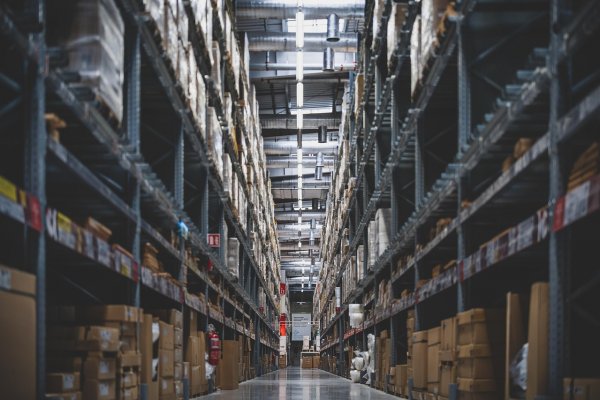
The Evolution of Modern Warehouse Management
The modern warehouse has transformed from a simple storage facility into a sophisticated logistics hub that drives business success. Today's warehouses are complex ecosystems where racking storage systems, advanced barcode scanning technology, efficient picking bins, and specialized 3PL ecommerce fulfilment services work in harmony to deliver exceptional results. Understanding how these elements interconnect is crucial for businesses seeking to optimize their supply chain operations and meet the ever-increasing demands of contemporary commerce.
Whether you're managing an in-house warehouse or partnering with third-party logistics providers, the principles of efficient warehouse management remain constant. The integration of physical infrastructure with digital technology has created opportunities for unprecedented accuracy, speed, and cost-effectiveness in inventory management and order fulfilment.
Racking Storage: The Foundation of Warehouse Efficiency
At the heart of every successful warehouse operation lies a well-designed racking storage system. This fundamental infrastructure determines not only how much inventory can be stored but also how efficiently it can be accessed, managed, and rotated. The right racking solution can dramatically increase storage capacity while simultaneously improving operational workflow.
Types of Racking Storage Systems
Modern warehouses employ various racking configurations, each designed for specific operational requirements:
- Selective Pallet Racking: The most common system, offering direct access to every pallet position. Ideal for warehouses with diverse product ranges and fast-moving inventory.
- Drive-In Racking: High-density storage where forklifts drive directly into rack lanes. Perfect for bulk storage of similar products with lower turnover rates.
- Push-Back Racking: A semi-automated system allowing storage of multiple pallets deep while maintaining good selectivity.
- Cantilever Racking: Specifically designed for long, bulky items such as timber, pipes, or furniture.
- Mobile Racking: Moveable rack units that maximize space utilization in premium warehouse locations.
Optimizing Vertical Space
One of the most significant advantages of modern racking systems is their ability to maximize vertical storage capacity. By utilizing the full height of warehouse facilities, businesses can dramatically increase storage capacity without expanding their physical footprint. This vertical optimization reduces real estate costs while improving inventory accessibility when combined with appropriate material handling equipment.
Strategic racking placement also considers factors such as product velocity, weight distribution, and picking efficiency. High-turnover items should be positioned at easily accessible heights and locations, while slower-moving inventory can be stored in less accessible positions without impacting operational efficiency.
3PL Ecommerce Fulfilment UK: Meeting Modern Retail Demands
The explosive growth of online retail has created unprecedented demand for specialized 3PL ecommerce fulfilment services in the UK. These third-party logistics providers offer comprehensive solutions that enable businesses to scale operations without massive capital investment in warehouse infrastructure, technology, or personnel.
The Value Proposition of 3PL Partnerships
Partnering with a specialized 3PL provider delivers multiple strategic advantages. These companies bring established infrastructure, proven processes, and scalable resources that would be prohibitively expensive for individual businesses to develop independently. For ecommerce businesses particularly, this partnership model offers the flexibility to handle seasonal demand fluctuations without maintaining excess capacity year-round.
UK-based 3PL providers understand the unique challenges of the British market, including next-day delivery expectations, Brexit-related customs requirements, and the geographical distribution patterns specific to serving customers across England, Scotland, Wales, and Northern Ireland. This localized expertise ensures faster delivery times and reduced shipping costs compared to operating from distant fulfilment centers.
Technology Integration in 3PL Operations
Modern 3PL ecommerce fulfilment centers leverage sophisticated warehouse management systems that integrate seamlessly with popular ecommerce platforms like Shopify, WooCommerce, and Magento. This integration enables real-time inventory visibility, automated order processing, and immediate shipment tracking updates that keep customers informed throughout the delivery journey.
When evaluating potential 3PL partners, businesses should consider utilizing resources like www.search3pl.com to compare services, capabilities, and pricing structures across multiple providers. This comprehensive approach ensures you select a partner whose technology infrastructure, geographic coverage, and service capabilities align with your specific business requirements.
Picking Bins: Streamlining Order Fulfilment
The humble picking bin represents a critical component in the order fulfilment process, directly impacting accuracy, speed, and worker productivity. These containers serve as mobile collection points during the picking process, organizing items as warehouse staff assemble customer orders.
Picking Bin Strategies and Methodologies
Different warehouse operations employ various picking methodologies, each utilizing picking bins in distinct ways:
- Single Order Picking: One picker collects all items for one order into a single bin. Simple and accurate but potentially inefficient for high-volume operations.
- Batch Picking: Multiple orders are picked simultaneously, with items sorted into separate bins or compartments. Significantly reduces travel time in the warehouse.
- Zone Picking: The warehouse is divided into zones, with pickers responsible for specific areas. Items move between zones in bins until orders are complete.
- Wave Picking: Orders are released in waves throughout the day, with pickers collecting items for multiple orders during each wave cycle.
Designing Effective Picking Bin Systems
The physical characteristics of picking bins significantly impact operational efficiency. Considerations include bin size and capacity, stackability for storage when not in use, durability for repeated handling, and integration with conveyor systems or carts. Many modern warehouses utilize color-coded picking bins to prevent order mixing and facilitate quick visual identification during sorting processes.
Advanced operations incorporate technology directly into picking bins, including integrated scales for weight verification, mounted barcode scanners, or RFID readers that automatically register items as they're placed in the container. These technological enhancements reduce picking errors while simultaneously capturing valuable data about operational performance.
Barcode Scanning: The Digital Backbone of Warehouse Accuracy
Barcode scanning technology has revolutionized warehouse operations by virtually eliminating manual data entry errors and providing real-time inventory visibility. This technology creates a digital thread connecting physical inventory movements with warehouse management systems, enabling unprecedented accuracy and accountability.
How Barcode Scanning Transforms Operations
Every scan creates a digital record of inventory movement, whether receiving goods, transferring items between storage locations, picking products for orders, or shipping completed orders. This comprehensive tracking delivers multiple operational benefits:
- Inventory Accuracy: Real-time updates ensure system records match physical inventory, eliminating costly discrepancies.
- Reduced Picking Errors: Scanning verification confirms the correct item and quantity before proceeding to the next pick.
- Enhanced Traceability: Complete movement history enables rapid investigation of discrepancies or quality issues.
- Performance Metrics: Scan data reveals picker productivity, popular product locations, and process bottlenecks.
- Regulatory Compliance: Automated documentation supports lot tracking and recall management for regulated products.
Implementing Effective Barcode Systems
Successful barcode implementation requires careful planning across multiple dimensions. Product labeling must ensure barcodes are appropriately sized, positioned consistently, and protected from damage during handling. Scanner selection should consider factors like scanning distance, motion tolerance, and integration with existing warehouse management systems.
Training warehouse staff on proper scanning procedures is equally critical. Workers must understand when to scan, how to handle scan failures, and the importance of scanning accuracy to overall operational performance. Many warehouses implement quality control checkpoints where random scans verify previous operations, creating accountability throughout the fulfilment process.
Integrating Systems for Maximum Efficiency
The true power of modern warehouse operations emerges when racking storage, picking bins, barcode scanning, and 3PL expertise work together as an integrated system. Strategic racking placement reduces picker travel time, while barcode scanning ensures accuracy at every step. Picking bins facilitate efficient collection, and experienced 3PL providers orchestrate these elements within proven operational frameworks.
Businesses seeking to optimize their warehouse operations or evaluate 3PL partnerships should thoroughly research available options. Platforms like www.search3pl.com provide valuable resources for comparing service capabilities and identifying providers whose technological sophistication matches your operational requirements.
Future Trends in Warehouse Operations
Looking ahead, warehouse operations continue evolving with emerging technologies including automated guided vehicles, robotic picking systems, artificial intelligence for demand forecasting, and Internet of Things sensors providing granular operational data. However, the fundamental principles of efficient racking storage, accurate barcode scanning, effective picking systems, and strategic 3PL partnerships will remain central to warehouse success.
By understanding and optimizing these core operational elements, businesses position themselves to meet customer expectations for fast, accurate order fulfilment while maintaining cost-effective operations. Whether managing an in-house facility or partnering with specialized 3PL providers, excellence in warehouse operations creates competitive advantage in today's demanding marketplace.


