
Modern Warehouse Operations Explained
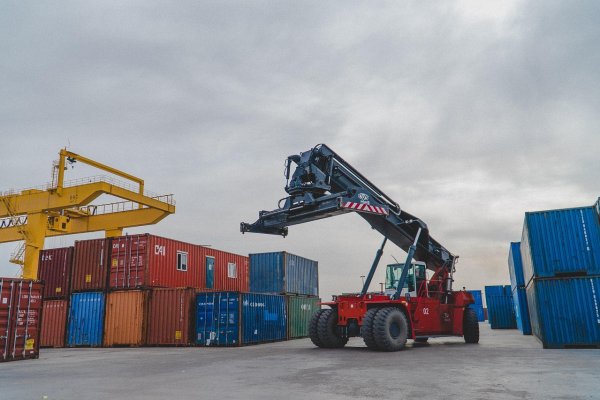
The warehouse has evolved from a simple storage facility into a sophisticated hub of logistics innovation. Today's warehouses serve as strategic assets that can make or break a company's competitive advantage. Whether you're handling international imports, implementing cross docking strategies, evaluating 3PL warehousing costs, or navigating the complexities of direct-to-consumer fulfillment, understanding modern warehouse operations is essential for business success.
The Evolution of Warehousing in Modern Commerce
Warehouses are no longer passive storage locations where products simply wait for orders. They've transformed into dynamic distribution centers equipped with advanced technology, automated systems, and strategic processes designed to accelerate product movement and reduce costs. This transformation has been driven by changing consumer expectations, e-commerce growth, and the need for faster, more efficient supply chains.
Modern warehouse operations integrate multiple functions simultaneously—receiving imports from overseas manufacturers, coordinating cross docking operations to minimize handling time, managing inventory for various sales channels, and executing rapid fulfillment for direct-to-consumer orders. This multifaceted approach requires careful planning, substantial investment, and often the expertise of specialized third-party logistics providers.
Cross Docking: Speed and Efficiency in Action
Cross docking represents one of the most significant innovations in warehouse operations, fundamentally changing how products move through the supply chain. This strategy involves unloading products from inbound transportation and immediately loading them onto outbound vehicles with minimal or no storage time in between.
How Cross Docking Works
In a traditional warehouse model, products arrive, get stored, picked when orders come in, and then shipped. Cross docking eliminates the middle steps. Products are received at a docking terminal, sorted based on their final destination, and quickly transferred to outbound trucks—often within 24 hours or less.
The cross docking process typically includes these stages:
- Inbound trucks arrive with pre-sorted merchandise or clear shipping documentation
- Products are unloaded and immediately scanned into the warehouse management system
- Items are sorted according to their final destinations or customer orders
- Products are moved directly to the outbound staging area
- Outbound trucks are loaded and dispatched to their destinations
Benefits of Cross Docking
Companies implementing cross docking strategies experience several compelling advantages. Reduced handling costs top the list, as products don't require putaway, storage, or traditional picking processes. Labor costs decrease proportionally, and the risk of product damage diminishes with fewer touchpoints.
Additionally, cross docking significantly reduces inventory holding costs. Since products spend minimal time in the facility, businesses avoid long-term storage fees and reduce the capital tied up in inventory. This approach also improves inventory turnover rates and reduces the risk of obsolescence—particularly valuable for perishable goods, fashion items, or technology products with short lifecycles.
Managing Imports Through Warehouse Operations
For businesses sourcing products internationally, the warehouse serves as the crucial first touchpoint in the domestic supply chain. Import warehousing involves specialized processes and compliance requirements that differ significantly from domestic operations.
Import Receiving and Processing
When shipments arrive from overseas, warehouses must coordinate with customs brokers, verify documentation, and ensure compliance with import regulations. This process includes checking bills of lading, commercial invoices, packing lists, and certificates of origin. Products may need inspection for quality assurance, quantity verification, or compliance with safety standards.
Many importers utilize bonded warehouses or Foreign Trade Zones (FTZs) to defer duty payments until products are ready for distribution. These specialized facilities allow businesses to store imported goods without immediately paying customs duties and taxes, improving cash flow and providing flexibility for re-export options.
Deconsolidation and Distribution
Import shipments often arrive in large container loads that require deconsolidation—breaking down bulk shipments into smaller quantities for distribution to multiple locations. Warehouses equipped for import handling provide these services, along with relabeling, repackaging, and preparing products for the domestic market.
Platforms like www.search3pl.com help businesses identify warehouses with import expertise, specialized equipment, and strategic locations near major ports to minimize transportation costs and transit times.
Understanding 3PL Warehousing Costs
Third-party logistics providers offer warehousing services that allow businesses to outsource storage and fulfillment operations. Understanding the cost structure of 3PL warehousing is essential for making informed decisions about whether to manage warehousing in-house or partner with specialists.
Common 3PL Pricing Models
3PL warehousing costs typically include several components:
- Receiving fees: Charges for unloading, inspecting, and processing inbound shipments
- Storage fees: Monthly charges based on pallet positions, square footage, or cubic feet occupied
- Pick and pack fees: Per-order or per-item charges for selecting products and preparing shipments
- Shipping costs: Either pass-through rates or marked-up carrier fees
- Value-added services: Additional charges for kitting, assembly, custom packaging, or returns processing
Factors Affecting 3PL Warehousing Costs
Several variables influence what you'll pay for third-party warehousing services. Location significantly impacts costs—warehouses near major metropolitan areas or ports typically command premium pricing but offer faster delivery times. The volume of inventory you maintain also matters, with many 3PLs offering volume discounts for larger clients.
The complexity of your operations affects pricing too. Products requiring climate control, hazardous materials handling, or specialized equipment will cost more to store and manage. Similarly, businesses with high order volumes but low inventory levels pay differently than those with large inventory reserves and sporadic order activity.
Evaluating 3PL Value Beyond Price
While cost comparison is important, the cheapest option isn't always the best value. Consider the 3PL's technology capabilities, accuracy rates, customer service quality, and scalability. A provider that integrates seamlessly with your systems, maintains 99.9% order accuracy, and can scale during peak seasons may justify higher fees through improved customer satisfaction and reduced operational headaches.
Warehouse Operations for Direct-to-Consumer Fulfillment
The explosive growth of e-commerce has positioned warehouses as critical enablers of direct-to-consumer (D2C) business models. D2C warehousing requires different capabilities than traditional wholesale or retail distribution.
D2C Warehouse Requirements
Direct-to-consumer fulfillment demands precision, speed, and flexibility. Warehouses must process high volumes of small orders rather than bulk shipments to retailers. Each order requires individual picking, custom packaging, and preparation for parcel carrier shipping—a dramatically different operation than building pallets for store delivery.
Technology becomes paramount in D2C operations. Real-time inventory visibility, automated order routing, integration with e-commerce platforms, and customer communication systems are essential. Consumers expect order confirmation emails, tracking information, and delivery notifications—all of which require sophisticated warehouse management systems.
Packaging and Presentation
In D2C fulfillment, the warehouse becomes an extension of your brand. Unboxing experiences matter to consumers, making packaging choices critical. Warehouses must accommodate custom boxes, branded materials, inserts, and gift messaging—services that traditional warehouses may not provide.
Many D2C brands partner with 3PL providers specializing in e-commerce fulfillment. These providers, easily compared through resources like www.search3pl.com, offer kitting services, custom packaging options, and returns management—all essential for competitive D2C operations.
Handling Returns Efficiently
Returns represent a significant challenge in D2C commerce, with rates often reaching 20-30% in categories like apparel. Warehouses must implement reverse logistics processes to receive returns, inspect products, determine disposition (restock, liquidate, or dispose), and update inventory systems accordingly.
Effective returns management can actually create competitive advantages by improving customer satisfaction and recovering value from returned merchandise through rapid restocking or secondary market sales.
Integrating Multiple Warehouse Strategies
The most sophisticated businesses don't choose between these warehouse strategies—they integrate them. A company might receive imports at a port-adjacent facility, use cross docking to quickly distribute products to regional warehouses, partner with 3PLs for cost-effective storage and fulfillment, and optimize operations specifically for D2C customer expectations.
This integrated approach requires careful coordination, strong technology infrastructure, and often partnerships with multiple specialized providers. The complexity increases, but so does the competitive advantage gained through superior speed, cost efficiency, and customer service.
Conclusion: The Strategic Warehouse
Modern warehousing is far more than storage—it's a strategic function that directly impacts customer satisfaction, operational costs, and competitive positioning. Whether you're implementing cross docking to reduce handling costs, managing international imports, evaluating 3PL partnerships, or building a direct-to-consumer fulfillment operation, understanding these warehouse operations is essential.
The key to success lies in aligning warehouse strategy with overall business objectives, investing in appropriate technology and partnerships, and continuously optimizing operations as your business scales. In today's fast-paced commercial environment, the warehouse has emerged as a critical battlefield where efficiency, accuracy, and speed determine market winners.


