
Modern Warehouse Operations: 3PL, Palletisation & UK Imports
The modern warehouse has evolved far beyond simple storage facilities into sophisticated logistics hubs that drive global commerce. Today's warehouses integrate advanced technologies, strategic partnerships, and optimized processes to handle everything from individual parcels to bulk imports. Understanding the key components of warehouse operations—including palletisation, carrier partnerships like Parcel Force, third-party logistics providers, and import management—is essential for businesses seeking to compete in today's fast-paced marketplace.
The Critical Role of Palletisation in Warehouse Efficiency
Palletisation represents one of the fundamental pillars of modern warehouse operations, transforming how goods are stored, moved, and distributed across supply chains. This systematic approach to organizing inventory on standardized platforms has revolutionized logistics efficiency and continues to be a cornerstone of warehouse management.
Understanding Palletisation Standards
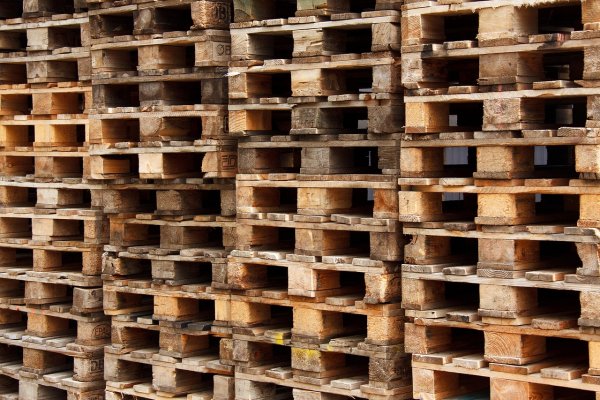
The process of palletisation involves arranging goods onto pallets—typically wooden, plastic, or metal platforms—that can be easily moved by forklifts, pallet jacks, or automated handling systems. In the UK and much of Europe, the standard pallet size is the EUR-pallet (1200mm x 800mm), while North American operations often use the slightly larger 48" x 40" pallet.
Proper palletisation offers numerous benefits:
- Maximized storage density through vertical stacking
- Improved warehouse safety by reducing manual handling
- Faster loading and unloading times
- Better inventory tracking and management
- Reduced product damage during transportation
- Lower labor costs through mechanization
Palletisation Best Practices
Effective palletisation requires careful planning and execution. Products should be stacked with heavier items at the bottom and lighter items on top, maintaining a stable center of gravity. Stretch wrapping or strapping secures the load, preventing shifting during transit. Modern warehouses increasingly utilize automated palletising systems that can arrange products with precision, achieving optimal weight distribution and stack stability.
The choice between block stacking and racking systems depends on product characteristics, turnover rates, and warehouse space. High-turnover items benefit from accessible racking positions, while slower-moving inventory might be block stacked to maximize space utilization. Many businesses partnering with providers listed on www.search3pl.com benefit from expert guidance on palletisation strategies tailored to their specific product mix.
Parcel Force and Warehouse Integration
Parcel Force Worldwide, the express parcel delivery service operated by Royal Mail Group, plays a significant role in UK warehouse operations, particularly for businesses handling individual shipments alongside bulk orders. Understanding how to integrate Parcel Force services into warehouse workflows can significantly enhance delivery capabilities.
Warehouse-Friendly Parcel Force Services
Parcel Force offers several services particularly relevant to warehouse operations. Their express services handle time-sensitive shipments, including same-day and next-day delivery options. For warehouses managing both domestic and international orders, Parcel Force's global network provides comprehensive coverage to over 200 countries.
The collection services offered by Parcel Force streamline warehouse outbound processes. Rather than requiring staff to transport parcels to drop-off points, scheduled collections allow warehouse teams to prepare shipments according to their own workflows, with drivers collecting directly from the loading dock.
Volume Discounts and Business Accounts
Warehouses processing significant parcel volumes can negotiate preferential rates through Parcel Force business accounts. These arrangements typically include dedicated account management, customized invoicing, and access to online tracking tools that integrate with warehouse management systems. Volume-based pricing tiers reward consistency, making Parcel Force particularly attractive for warehouses with predictable shipping patterns.
The Biggest 3PL Companies Reshaping Warehousing
Third-party logistics providers have transformed the warehousing landscape, offering businesses scalable storage and fulfillment solutions without the capital investment required for proprietary facilities. Understanding the major players helps businesses make informed partnership decisions.
Global 3PL Leaders
DHL Supply Chain stands as one of the world's largest 3PL providers, operating an extensive network of warehouses across continents. Their technology-driven approach incorporates automation, robotics, and data analytics to optimize inventory management and order fulfillment.
Kuehne + Nagel combines warehousing with comprehensive supply chain solutions, offering particular strength in contract logistics and specialized industry verticals including pharmaceuticals, aerospace, and retail. Their warehouse network spans strategic locations globally, with significant UK presence.
XPO Logistics has built a reputation for innovative warehouse solutions, particularly in e-commerce fulfillment. Their technology platform provides real-time visibility across inventory, orders, and shipments, giving clients unprecedented control over their supply chains.
DSV Panalpina, formed through strategic merger, combines Danish and Swiss logistics expertise into a powerhouse 3PL operation. Their warehouse solutions emphasize flexibility, allowing businesses to scale capacity up or down based on seasonal demands.
UK-Focused 3PL Providers
Beyond global giants, several UK-based 3PL companies have established strong reputations for warehouse excellence. Wincanton offers deep expertise in retail and consumer goods, operating strategically located warehouses throughout the UK. GXO Logistics, spun off from XPO, maintains significant UK warehouse capacity with particular strength in e-commerce and omnichannel fulfillment.
Businesses exploring 3PL partnerships can compare services, capabilities, and pricing through platforms like www.search3pl.com, which provide comprehensive directories of qualified providers.
Import UK: Warehousing Considerations for International Goods
Brexit has fundamentally altered the landscape of importing goods into the UK, making warehouse selection and customs management more critical than ever. Businesses importing products must navigate new regulatory requirements while maintaining supply chain efficiency.
Bonded Warehouses and Customs Facilitation
Bonded warehouses have become increasingly valuable for UK importers, allowing goods to be stored without immediately paying import duties and VAT. This facility provides significant cash flow advantages, particularly for businesses importing large volumes or high-value goods. Duties only become payable when products leave the bonded warehouse for UK distribution.
Strategic use of bonded warehousing enables businesses to:
- Defer customs duty and VAT payments until goods are sold
- Re-export goods to other markets without paying UK duties
- Consolidate multiple international shipments before customs clearance
- Process or manufacture imported components before duty assessment
Customs Freight Simplified Procedures (CFSP)
Warehouses operating under CFSP authorization can receive imported goods before full customs declarations are submitted, accelerating the movement of inventory from port to shelf. This authorization requires robust systems and processes but dramatically reduces clearance times for compliant importers.
Port-Proximate Warehousing
Location matters tremendously for import-focused warehouses. Facilities near major UK ports—Southampton, Felixstowe, London Gateway—minimize inland transportation costs and speed product availability. However, this must be balanced against proximity to end customers. Many importers employ a two-tier strategy: port-side warehousing for initial receipt and customs processing, then distribution to regional fulfillment centers closer to consumer populations.
Technology Integration Across Modern Warehouse Operations
The most effective warehouses today leverage technology to connect palletisation, carrier management, 3PL coordination, and import processes into seamless operations.
Warehouse Management Systems (WMS)
Modern WMS platforms orchestrate all warehouse activities, from receiving and putaway through picking, packing, and shipping. Advanced systems integrate directly with carrier platforms like Parcel Force, automatically selecting optimal shipping methods based on destination, weight, and service requirements.
For import operations, WMS integration with customs systems enables automated documentation, duty calculation, and compliance reporting. Real-time inventory visibility allows businesses to commit to customer orders even while goods are in transit or undergoing customs clearance.
Automation and Robotics
Leading 3PL providers have invested heavily in warehouse automation, deploying automated guided vehicles (AGVs), robotic picking systems, and AI-powered inventory optimization. These technologies reduce labor dependency while improving accuracy and throughput—critical advantages in today's tight labor markets.
Selecting the Right Warehouse Solution
Choosing appropriate warehouse solutions requires evaluating multiple factors: current and projected inventory volumes, product characteristics, service requirements, and budget constraints. Businesses handling primarily palletised goods have different needs than those shipping individual parcels. Similarly, importers require specialized capabilities that domestic-only operations may not need.
Many businesses find that hybrid approaches work best—maintaining some internal warehouse capacity for core operations while partnering with 3PL providers for overflow, seasonal peaks, or specialized requirements like bonded storage. The flexibility offered by major 3PL companies allows businesses to test markets, launch products, or expand geographically without committing to long-term facility leases.
As supply chains grow increasingly complex, the warehouse has emerged as a critical competitive differentiator. Organizations that master palletisation efficiency, carrier partnerships, 3PL collaboration, and import management position themselves to meet customer expectations for fast, accurate fulfillment while controlling costs and maintaining flexibility. The warehouse of tomorrow is already taking shape today—integrating advanced technologies with proven logistics fundamentals to create the agile, responsive supply chains that modern commerce demands.


