
Modern Warehouse Solutions: B2C Fulfillment in London & USA
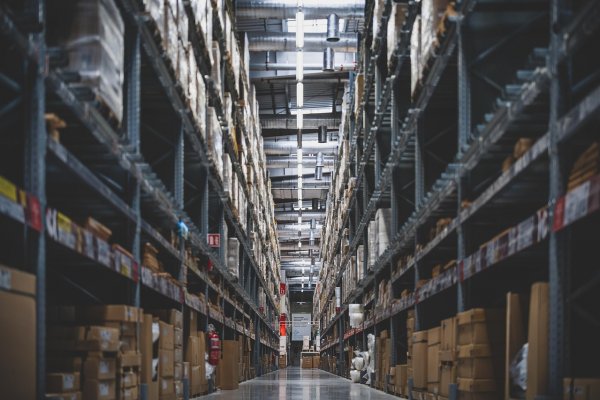
The modern warehouse has evolved far beyond simple storage facilities. Today's warehouses serve as sophisticated fulfillment centers that power the global B2C e-commerce revolution, particularly in major markets like London and the USA. Understanding how these facilities operate and how to leverage them effectively has become crucial for businesses looking to compete in the digital marketplace.
The Evolution of B2C Warehousing
Business-to-consumer warehousing has undergone a dramatic transformation over the past decade. Traditional warehouses once focused primarily on storing bulk inventory for wholesale distribution. Now, they've adapted to handle individual consumer orders, process returns efficiently, and meet the demanding delivery expectations of online shoppers.
The shift to B2C fulfillment requires warehouses to process significantly higher volumes of smaller orders with greater accuracy and speed. Where a traditional warehouse might ship pallets to retail stores, modern B2C warehouses handle thousands of individual packages daily, each requiring careful picking, packing, and shipping to meet customer expectations.
Key Differences in B2C Warehouse Operations
B2C warehouses operate fundamentally differently from their B2B counterparts:
- Order velocity: B2C facilities process many more individual orders with fewer items per order
- Packaging requirements: Each order requires consumer-ready packaging and branding
- Returns processing: Higher return rates necessitate dedicated reverse logistics capabilities
- Speed expectations: Same-day or next-day delivery demands create urgency in operations
- Technology integration: Real-time inventory tracking and order management systems are essential
Warehouse Locations: London vs USA Markets
Choosing between warehouse locations in London and the USA represents a strategic decision that impacts delivery times, costs, and market reach. Each market offers distinct advantages and challenges for B2C businesses.
London Warehouse Advantages
London serves as a strategic gateway to European markets, making it an ideal warehouse location for businesses targeting UK and EU customers. Despite Brexit considerations, London maintains its position as a premier logistics hub with exceptional infrastructure.
Warehouses in and around London benefit from proximity to major ports, airports, and an extensive road network. The M25 motorway provides rapid access to the entire UK, while Heathrow, Gatwick, and other airports facilitate international shipping. For B2C businesses, this means faster delivery to one of Europe's most lucrative consumer markets.
However, London warehousing comes with premium costs. Real estate prices in the greater London area remain among the highest globally, and labor costs reflect the city's elevated cost of living. Many businesses balance these factors by choosing locations in the London periphery or nearby logistics parks that offer lower costs while maintaining connectivity.
USA Warehouse Strategic Positioning
The USA market presents both opportunities and complexities for warehouse strategy. The country's vast geography means that strategic warehouse placement directly impacts delivery times and shipping costs. Many successful B2C companies maintain multiple warehouse locations across the USA to ensure rapid delivery to customers nationwide.
Popular warehouse regions in the USA include:
- East Coast: New Jersey and Pennsylvania serve densely populated northeastern markets
- Central USA: Ohio, Indiana, and Illinois offer central locations for nationwide distribution
- West Coast: California warehouses serve the western states and facilitate Asian imports
- Southern states: Texas and Georgia provide growing markets and lower operating costs
USA warehouses benefit from advanced logistics infrastructure, extensive carrier networks, and sophisticated technology adoption. Competition among 3PL providers also creates favorable conditions for businesses seeking warehouse services, with platforms like www.search3pl.com making it easier to compare options and pricing across different regions.
Inventory Management: The Warehouse Foundation
Effective inventory management distinguishes successful warehouses from mediocre ones. For B2C operations, where customer satisfaction hinges on product availability and rapid fulfillment, robust inventory management systems become non-negotiable.
Modern Inventory Management Systems
Contemporary warehouse inventory management relies heavily on technology. Warehouse Management Systems (WMS) provide real-time visibility into stock levels, locations, and movement throughout the facility. These systems integrate with e-commerce platforms, enabling automatic inventory updates as orders are processed.
Key features of effective inventory management include:
- Real-time tracking: Barcode or RFID scanning provides instant inventory updates
- Automated reordering: Systems trigger purchase orders when stock reaches predetermined thresholds
- Location optimization: Fast-moving items are stored in easily accessible locations
- Cycle counting: Regular partial inventory counts maintain accuracy without full shutdowns
- Demand forecasting: Historical data and trends predict future inventory needs
Inventory Challenges in B2C Warehousing
B2C warehouses face unique inventory management challenges. Seasonal fluctuations can create massive variations in demand, requiring flexible storage solutions and scalable operations. Consumer trends shift rapidly, potentially leaving businesses with obsolete inventory if not managed carefully.
The concept of inventory turnover takes on heightened importance in B2C operations. Faster turnover reduces storage costs and minimizes the risk of holding outdated products. Smart inventory management balances having sufficient stock to meet demand without tying up excessive capital in slow-moving items.
Technology Integration in Modern Warehouses
Technology has revolutionized warehouse operations, particularly for B2C fulfillment. Automation, robotics, and sophisticated software systems work together to create efficient, accurate fulfillment operations.
Automation and Robotics
While fully automated warehouses remain the exception rather than the rule, partial automation has become increasingly common. Conveyor systems move products efficiently through picking, packing, and shipping zones. Automated storage and retrieval systems (AS/RS) maximize vertical space utilization while reducing retrieval times.
Robotic picking systems, though still emerging, show promise for handling repetitive tasks. These systems work alongside human workers, creating hybrid operations that combine robotic efficiency with human adaptability and problem-solving capabilities.
Data Analytics and Optimization
Modern warehouses generate massive amounts of data about operations, productivity, and efficiency. Advanced analytics transform this data into actionable insights that drive continuous improvement. Businesses can identify bottlenecks, optimize labor allocation, and predict maintenance needs before equipment failures occur.
Choosing the Right Warehouse Solution
Businesses face a fundamental decision: operate their own warehouse or partner with a third-party logistics (3PL) provider. Each approach offers distinct advantages depending on business size, growth trajectory, and strategic priorities.
In-House Warehouse Operations
Operating your own warehouse provides maximum control over operations, branding, and customer experience. Large businesses with predictable volumes may find in-house operations more cost-effective long-term. However, this approach requires significant capital investment, operational expertise, and ongoing management attention.
Third-Party Logistics Partnerships
3PL providers offer warehouse services without the capital requirements and operational complexities of running your own facility. These partnerships provide scalability, allowing businesses to expand or contract warehouse space based on seasonal needs. Established 3PL providers bring expertise, technology, and carrier relationships that would take years for individual businesses to develop.
When evaluating 3PL options, businesses should consider location coverage, technology capabilities, pricing structures, and service quality. Resources like www.search3pl.com enable businesses to compare multiple providers efficiently, ensuring they find partners aligned with their specific requirements.
Future Trends in B2C Warehousing
The warehouse industry continues evolving rapidly. Several trends are reshaping how B2C warehouses operate:
Micro-fulfillment centers bring warehouses closer to urban consumers, enabling same-day delivery. These smaller facilities sacrifice storage capacity for proximity, representing a significant shift in warehouse strategy.
Sustainability initiatives are becoming central to warehouse operations. Solar panels, electric vehicles, and energy-efficient buildings reduce environmental impact while often lowering operating costs.
Artificial intelligence and machine learning optimize everything from inventory placement to labor scheduling, creating smarter, more efficient operations.
Conclusion
Success in modern B2C commerce depends heavily on warehouse capabilities. Whether operating in London, across the USA, or globally, businesses must master inventory management, leverage appropriate technology, and choose warehouse locations strategically. The complexity of these decisions underscores the value of careful planning and, when appropriate, partnering with experienced 3PL providers who can navigate the nuances of modern fulfillment. As consumer expectations continue rising and technology advances, warehouses will remain at the heart of e-commerce success, evolving continuously to meet tomorrow's challenges.


