
Modern 3PL Solutions: Sustainability, Technology & B2C Excellence
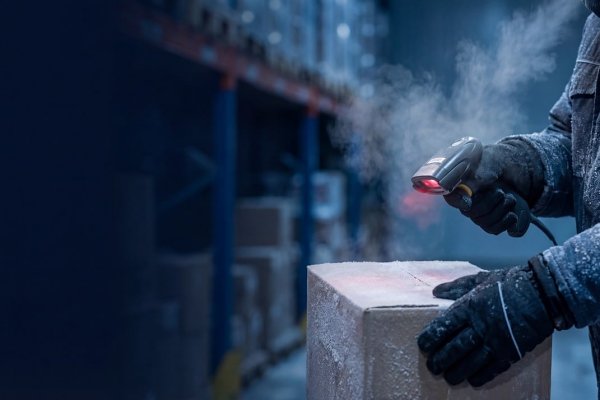
The logistics landscape has undergone a dramatic transformation in recent years, driven by the explosive growth of e-commerce, heightened environmental consciousness, and rapid technological advancement. Third-party logistics (3PL) providers have emerged as indispensable partners for businesses navigating this complex terrain, offering specialized expertise in warehousing, fulfillment, and distribution. Today's leading 3PL companies are distinguished not just by their operational capabilities, but by their commitment to sustainability, technological innovation, and excellence in business-to-consumer (B2C) fulfillment.
The Evolution of B2C Fulfillment Through 3PL Partnerships
The shift from traditional business-to-business (B2B) models to B2C fulfillment has fundamentally altered the logistics industry. Unlike B2B operations that typically involve bulk shipments to retail locations, B2C logistics demands the ability to process individual orders with speed, accuracy, and cost-efficiency. This transition has created both challenges and opportunities for 3PL providers.
Understanding B2C Complexity
B2C fulfillment presents unique operational requirements that distinguish it from traditional logistics models. Modern consumers expect same-day or next-day delivery, real-time order tracking, and seamless returns processes. These expectations have forced 3PL providers to develop sophisticated capabilities including:
- Multi-channel integration: Seamlessly connecting with e-commerce platforms, marketplaces, and retail systems
- Scalable infrastructure: Accommodating dramatic volume fluctuations during peak seasons
- Micro-fulfillment centers: Strategically located facilities that reduce last-mile delivery times
- Flexible packaging solutions: Adapting to diverse product types and customer preferences
- Advanced returns management: Efficiently processing reverse logistics to maintain customer satisfaction
Companies leveraging platforms like www.search3pl.com can compare specialized B2C fulfillment providers to find partners whose capabilities align precisely with their operational requirements and growth objectives.
The Customer Experience Advantage
When businesses partner with the right 3PL provider, they gain access to enterprise-level fulfillment capabilities without the capital investment required to build proprietary infrastructure. This democratization of logistics excellence enables small and medium-sized businesses to compete effectively with larger competitors by delivering comparable customer experiences.
Sustainability in Modern Logistics Operations
Environmental responsibility has transitioned from a competitive differentiator to a business imperative. Consumers increasingly factor sustainability into purchasing decisions, with studies showing that over 70% of shoppers prefer brands that demonstrate environmental commitment. Progressive 3PL providers have responded by implementing comprehensive sustainability initiatives across their operations.
Green Warehousing Initiatives
Modern fulfillment centers are incorporating numerous environmentally conscious features that reduce their carbon footprint while often decreasing operational costs:
- Solar panel installations that generate renewable energy on-site
- LED lighting systems with motion sensors to minimize electricity consumption
- Rainwater harvesting and water recycling systems
- Energy-efficient climate control systems with zone-based temperature management
- Recyclable and biodegradable packaging materials
- Waste reduction programs including cardboard baling and plastic recycling
Sustainable Haulier Partnerships
The relationship between 3PL providers and their haulier partners significantly impacts overall environmental performance. A haulier—the carrier responsible for transporting goods—plays a crucial role in determining the sustainability profile of the entire supply chain. Forward-thinking 3PLs are prioritizing partnerships with hauliers that demonstrate environmental commitment through:
- Fleet modernization: Investing in electric vehicles, hybrid trucks, and vehicles meeting the latest emissions standards
- Route optimization: Utilizing advanced algorithms to minimize miles traveled and fuel consumption
- Load consolidation: Maximizing vehicle capacity utilization to reduce the number of trips required
- Alternative fuels: Transitioning to biodiesel, compressed natural gas, or hydrogen fuel cells
- Driver training: Implementing eco-driving techniques that improve fuel efficiency
By selecting 3PL providers that prioritize sustainable haulier relationships, businesses can significantly reduce their Scope 3 emissions—those generated within their value chain but outside direct operational control.
Barcode Scanning Technology: The Foundation of Operational Excellence
While sustainability and customer experience capture headlines, the operational backbone of modern 3PL services relies heavily on barcode scanning technology. This seemingly simple innovation has revolutionized inventory management, order accuracy, and supply chain visibility.
How Barcode Scanning Transforms 3PL Operations
Contemporary barcode systems extend far beyond basic product identification. Advanced implementations incorporate multiple scanning checkpoints throughout the fulfillment process, creating an unbroken chain of verification that virtually eliminates errors:
- Receiving verification: Confirming product identity, quantity, and condition upon warehouse arrival
- Put-away accuracy: Ensuring items are stored in designated locations for efficient retrieval
- Pick verification: Validating correct item selection during order fulfillment
- Pack confirmation: Double-checking order contents before shipment
- Shipping validation: Matching packages with carrier information and delivery addresses
Real-Time Inventory Visibility
Modern barcode scanning systems integrate seamlessly with warehouse management systems (WMS), providing real-time inventory visibility that benefits all stakeholders. When a customer places an order, barcode technology enables instant verification of product availability. As warehouse staff scan items during picking, inventory levels automatically update across all connected platforms, preventing overselling and stockouts.
This technological infrastructure also facilitates accurate demand forecasting, enabling businesses to optimize inventory levels, reduce carrying costs, and minimize the risk of obsolescence—all contributing to more sustainable operations by reducing waste.
Advanced Scanning Technologies
The evolution of barcode scanning continues with emerging technologies that further enhance capabilities:
- 2D barcodes and QR codes: Storing significantly more data than traditional linear barcodes
- RFID integration: Enabling simultaneous scanning of multiple items without line-of-sight requirements
- Mobile scanning applications: Allowing real-time updates from anywhere in the warehouse
- Computer vision systems: Automatically identifying products without manual scanning
- Voice-directed picking: Combining barcode verification with hands-free operation
Integrating Technology, Sustainability, and B2C Excellence
The most successful 3PL providers recognize that technology, sustainability, and customer experience are not competing priorities but complementary objectives that reinforce each other. Barcode scanning technology reduces errors, which decreases returns and the associated environmental impact of reverse logistics. Efficient haulier partnerships enabled by route optimization software improve both delivery speed and carbon efficiency. Sustainable packaging solutions enhance brand perception while reducing material costs.
Selecting the Right 3PL Partner
For businesses seeking to optimize their fulfillment operations, choosing the right 3PL provider requires careful evaluation of multiple factors. Platforms like www.search3pl.com facilitate this comparison process by connecting businesses with qualified providers whose capabilities match specific requirements. When evaluating potential partners, consider:
- Demonstrated expertise in B2C fulfillment within your industry
- Documented sustainability initiatives and measurable environmental performance
- Technology infrastructure including barcode scanning, WMS capabilities, and system integrations
- Haulier network quality and geographic coverage
- Scalability to accommodate business growth and seasonal fluctuations
- Transparent pricing structures without hidden fees
- Customer references and performance track records
The Future of 3PL Services
The trajectory of third-party logistics points toward increasing sophistication across all dimensions. Artificial intelligence and machine learning will further optimize inventory placement, demand forecasting, and route planning. Automation technologies including collaborative robots will augment human workers, improving productivity while creating safer working environments. Sustainability commitments will deepen as regulatory requirements tighten and consumer expectations evolve.
For businesses navigating this dynamic landscape, partnering with innovative 3PL providers offers access to cutting-edge capabilities that would be prohibitively expensive to develop independently. The right partnership transforms logistics from a cost center into a strategic competitive advantage, enabling businesses to deliver exceptional customer experiences while advancing environmental responsibility.
Conclusion
Modern 3PL providers serve as essential partners for businesses competing in today's demanding marketplace. By combining sophisticated B2C fulfillment capabilities with sustainable haulier practices, advanced barcode scanning technology, and genuine environmental commitment, leading 3PL companies deliver comprehensive solutions that address the full spectrum of contemporary logistics challenges.
As consumer expectations continue rising and environmental imperatives grow more urgent, the value proposition of specialized 3PL partnerships becomes increasingly compelling. Businesses that strategically leverage these relationships position themselves to thrive in an era defined by rapid delivery expectations, technological disruption, and sustainability consciousness. The future belongs to companies that recognize logistics not as a necessary operational function but as a powerful enabler of customer satisfaction, operational efficiency, and environmental stewardship.


