
Mastering Modern Fulfilment: Technology, Training & Logistics
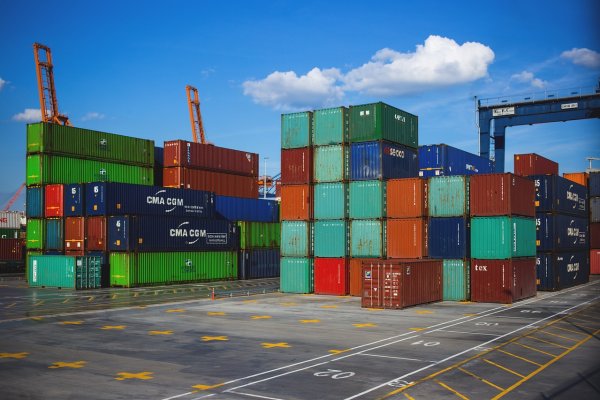
The fulfilment landscape has evolved dramatically over the past decade, transforming from simple warehouse storage into a sophisticated ecosystem of technology, skilled personnel, and strategic partnerships. As e-commerce continues its exponential growth, businesses face mounting pressure to deliver products faster, more accurately, and more cost-effectively than ever before. Success in this environment demands a multifaceted approach that integrates workforce training, imports management, WMS software, and reliable carrier partnerships like DPD.
The Foundation of Efficient Fulfilment: Workforce Training
Behind every successful fulfilment operation stands a well-trained, knowledgeable workforce. While automation and technology receive considerable attention, the human element remains irreplaceable in modern logistics. Workforce training serves as the cornerstone upon which all other operational improvements are built.
Essential Skills for Modern Fulfilment Teams
Today's fulfilment professionals require a diverse skill set that extends far beyond basic picking and packing. Comprehensive training programs should encompass:
- Technology proficiency: Understanding warehouse management systems, handheld scanners, and inventory tracking devices
- Quality control procedures: Identifying defects, verifying orders, and maintaining accuracy standards
- Safety protocols: Operating equipment safely, handling hazardous materials, and maintaining workplace safety
- Customer service awareness: Understanding how their role impacts customer satisfaction and brand reputation
- Problem-solving abilities: Addressing discrepancies, managing exceptions, and making informed decisions
Continuous Development and Retention
The fulfilment industry experiences notoriously high turnover rates, making employee retention a critical challenge. Organizations that invest in ongoing training and development demonstrate significantly lower turnover and higher productivity. Cross-training employees across multiple functions creates operational flexibility while providing career advancement opportunities that improve job satisfaction and loyalty.
Regular refresher courses, certification programs, and advancement pathways transform warehouse positions from temporary stops into viable careers. This investment in human capital pays dividends through reduced recruitment costs, improved institutional knowledge, and enhanced operational efficiency.
Navigating the Complexities of Imports Management
For businesses sourcing products internationally, imports management represents both opportunity and challenge. The ability to efficiently manage international shipments distinguishes successful global businesses from those struggling with supply chain disruptions.
Understanding Import Compliance and Documentation
International trade involves navigating a labyrinth of regulations, tariffs, and documentation requirements. Fulfilment operations handling imports must maintain expertise in:
- Customs classifications and harmonized codes
- Import duties and tariff calculations
- Country-specific regulations and restrictions
- Certificate of origin requirements
- Product safety and labeling standards
Non-compliance can result in costly delays, penalties, and even product seizures. Partnering with experienced third-party logistics providers through platforms like www.search3pl.com can provide access to specialized imports expertise without maintaining in-house teams.
Strategic Planning for Import Operations
Effective imports management requires forward-thinking strategy. Businesses must consider lead times, seasonal demand fluctuations, and potential supply chain disruptions when planning international shipments. Inventory positioning becomes crucial—determining whether to hold stock domestically, internationally, or employ a hybrid approach impacts both costs and delivery capabilities.
Currency fluctuations, changing trade agreements, and geopolitical factors add layers of complexity requiring continuous monitoring and adaptation. Sophisticated fulfilment operations incorporate these variables into their planning models, utilizing predictive analytics to optimize import timing and quantities.
The Technology Backbone: WMS Software Solutions
At the heart of modern fulfilment operations lies Warehouse Management System (WMS) software—the digital nervous system coordinating every movement, transaction, and decision within the facility.
Core WMS Capabilities
Contemporary WMS platforms have evolved from simple inventory tracking tools into comprehensive operations management suites. Essential functionalities include:
- Real-time inventory visibility: Tracking stock levels, locations, and movements with accuracy across multiple channels
- Order management: Prioritizing, batching, and routing orders for optimal efficiency
- Receiving and putaway optimization: Directing incoming inventory to ideal storage locations
- Picking optimization: Creating efficient pick paths and consolidating orders
- Shipping integration: Connecting with carrier systems for label generation and tracking
- Analytics and reporting: Providing actionable insights into operational performance
Integration and Scalability Considerations
The true power of WMS software emerges through its integration capabilities. Modern systems connect seamlessly with e-commerce platforms, enterprise resource planning (ERP) systems, transportation management systems, and carrier networks. This interconnectivity eliminates manual data entry, reduces errors, and provides end-to-end visibility across the supply chain.
Scalability represents another crucial consideration. Businesses experience seasonal peaks, growth spurts, and market expansions requiring their WMS to adapt accordingly. Cloud-based solutions offer particular advantages, providing flexibility to scale operations up or down without significant infrastructure investments.
The ROI of WMS Implementation
While WMS software represents a significant investment, the return on investment typically manifests quickly through:
- Reduced labor costs through improved efficiency
- Lower error rates and associated correction costs
- Optimized space utilization reducing facility requirements
- Enhanced customer satisfaction through accuracy and speed
- Better inventory management reducing carrying costs
Carrier Partnerships: The DPD Advantage
Even the most efficiently managed warehouse operation ultimately depends on reliable carrier partnerships to deliver products to customers. DPD has emerged as a preferred carrier for many fulfilment operations, offering services specifically designed for modern e-commerce requirements.
Why DPD Resonates with Fulfilment Operations
DPD's approach to parcel delivery aligns particularly well with contemporary fulfilment needs. Their customer-centric service model includes features that directly address common delivery pain points:
- Precise delivery windows: One-hour delivery slots reducing failed deliveries
- Real-time tracking: Customers receive live updates throughout the delivery journey
- Flexible delivery options: Recipients can redirect parcels or reschedule deliveries
- Extensive Pickup network: Alternative collection points for customer convenience
- Environmental commitment: Carbon-neutral delivery options appealing to eco-conscious consumers
Technology Integration with DPD Services
DPD's robust API and integration capabilities enable seamless connection with WMS platforms. Automated label generation, real-time tracking updates, and proof-of-delivery notifications flow directly into warehouse systems without manual intervention. This technical synergy reduces processing time while improving accuracy and customer communication.
For businesses managing imports, DPD's international network provides consistent service quality across borders, simplifying the transition from warehouse to customer regardless of destination.
Bringing It All Together: The Integrated Fulfilment Model
The true magic happens when workforce training, imports expertise, WMS software, and carrier partnerships like DPD function as an integrated ecosystem rather than isolated components.
Creating Synergy Across Fulfilment Functions
Consider how these elements interact in practice: trained staff efficiently utilize WMS software to process imported inventory, while the system automatically selects optimal carrier options including DPD based on delivery requirements. Real-time data flows between systems, enabling proactive problem-solving and continuous optimization.
Organizations seeking to optimize their fulfilment operations might explore partnerships with specialized providers through resources like www.search3pl.com, which offers comparisons of services and pricing across multiple providers.
Measuring Success and Continuous Improvement
Integrated fulfilment operations should establish key performance indicators (KPIs) spanning all functional areas:
- Order accuracy rates
- Time from order to shipment
- Inventory accuracy
- On-time delivery performance
- Returns processing efficiency
- Customer satisfaction scores
Regular analysis of these metrics reveals opportunities for targeted improvements, whether through additional training, system enhancements, or carrier optimization.
Conclusion: The Future of Fulfilment Excellence
The fulfilment landscape continues evolving at breakneck speed, driven by rising customer expectations and technological innovation. Success requires commitment to comprehensive workforce development, mastery of imports complexities, implementation of sophisticated WMS technology, and partnerships with forward-thinking carriers like DPD.
Organizations that view these components as interconnected elements of a holistic strategy—rather than separate operational silos—position themselves for sustainable competitive advantage. The investment in training, technology, and partnerships may seem substantial, but the alternative—struggling with inefficient operations in an increasingly demanding market—carries far greater risk.
As e-commerce continues its relentless growth trajectory, the businesses that master the art and science of modern fulfilment will not merely survive but thrive, delighting customers while building scalable, profitable operations capable of adapting to whatever challenges tomorrow brings.


